





Bronze Figurine Clock
A bronze figurine clock combines precise timekeeping with sculptural bronze or ormolu figures, bringing classic European decorative art straight to your mantelpiece.
Bronze Figurine Clock
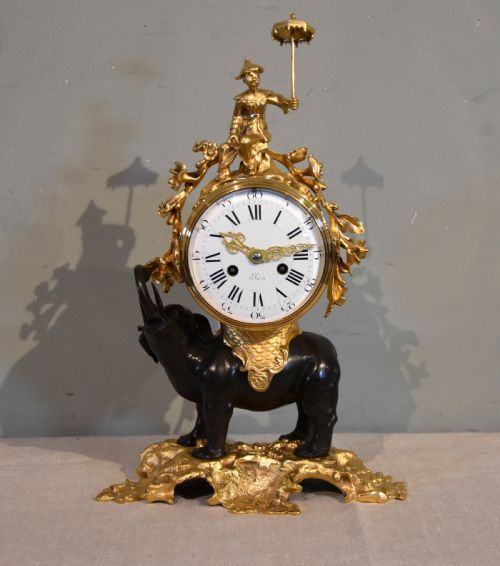
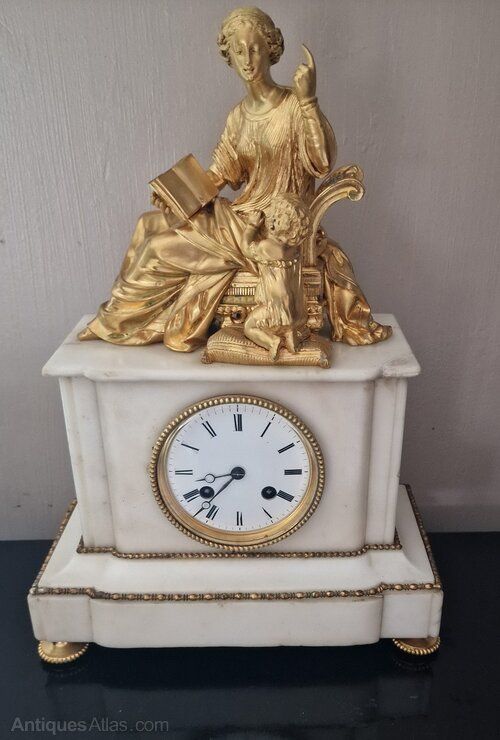
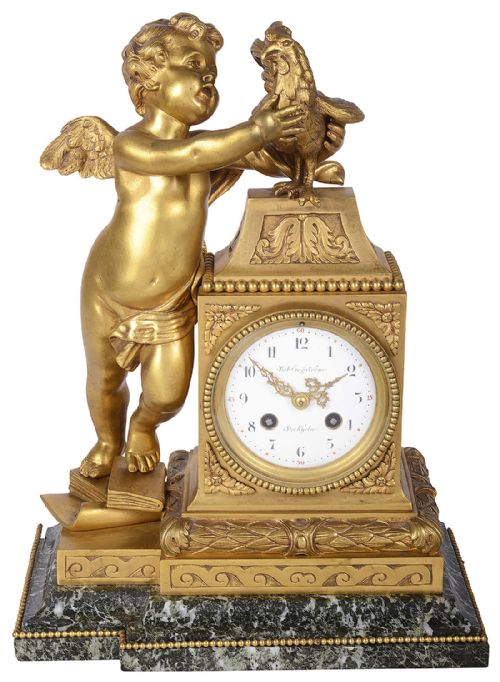
A bronze figurine clock is fundamentally a decorative timepiece dominated by cast metal figures, classical characters, or charming animal forms. When you search for a bronze figurine clock, you encounter nineteenth-century interpretations alongside eighteenth-century works, capturing the enduring appeal of French neoclassical and rococo styles.
The prevalent examples on this page are mantel clocks featuring patinated bronze, gilt bronze, and ormolu, frequently paired with white or variegated marble bases. Figures range from mythological cherubs and historical commanders like Napoleon Bonaparte on horseback to exotic subjects such as elephants and windmills.
Makers and workshops of the period, including names like Berger, Achille Brocot, and Baetens, integrated French empire revival motifs and porcelain dials into these architectural and sculptural compositions. These works function equally as sculptural ornaments and as working horological instruments.
Materials and construction methods
Makers constructed these pieces using bronze casting techniques, applying patination or gilding to create rich surface contrasts between bright ormolu and dark patinated bronze. Ormolu mounts, often fire-gilded, bring a warm metallic lustre that highlights the intricate details of the figures and floral ornaments.
The structural bases rely heavily on natural stones, primarily white marble and variegated marble, which provide a stable plinth for the heavy metalwork. Enamel or porcelain dials, sometimes framed within silver-plated bronze or gilt mounts, display delicate hand-painted numerals and minute markers.
Movements utilise traditional mechanical systems such as the single chain fusee, requiring careful assembly and adjustment by skilled horologists of the era. The integration of porcelain elements, notably Sevres panels or figures like Meissen harlequins, demonstrates a collaborative approach across specialised European workshops.
Bronze Figurine Clock Retail Price Guide 2026
Typical asking prices for bronze figurine clock among the pieces listed under this phrase on Sellingantiques today, from the lower quarter to the upper quarter. They describe what is for sale here now, not the wider market.
Distinctions in craftsmanship and design
Quality reveals itself in the crispness of the bronze chasing and the depth of the gilding, where superior examples exhibit sharp, hand-finished details rather than soft cast contours. The weight and selection of the marble base also indicate tier, with substantial variegated or white marble blocks providing better proportion and stability.
The sophistication of the movement dictates the horological merit, distinguished by signed works from established makers and refined escapements such as the fusee. Additionally, the artistic integration between the clock case and the figurative sculpture separates standard decorative pieces from exceptional sculptural compositions.
Berger Paris·Achille Brocot And Delettrez·Baetens London
The Bronze Figurine Clock Glossary
- Ormolu
- A gold-coloured alloy of copper, zinc, and tin applied to bronze objects through a mercury gilding process. This technique creates a durable, luminous finish characteristic of fine nineteenth-century French metalwork.
- Patinated bronze
- Bronze treated with chemical solutions to produce a darkened, weathered, or intentionally coloured surface. It offers a subtle contrast against bright gilt mounts and marble plinths.
- Fusee
- A conical pulley used in clock movements to equalize the declining power of the mainspring as it unwinds. This mechanism ensures consistent torque and improved timekeeping accuracy.
- Rococo revival
- A nineteenth-century decorative style inspired by the asymmetric curves, scrolling foliage, and playful motifs of the eighteenth century. It appears frequently in the ornate frames and bases of these clocks.
Bronze Figurine Clock: Frequently Asked Questions
What is a bronze figurine clock?
A bronze figurine clock is an ornamental timepiece that incorporates cast metal sculptures, such as cherubs, historical figures, or animals, as the primary decorative element. These pieces blend horological function with the sculptural artistry of the nineteenth century.
They serve as prominent mantel or table decorations, manufactured predominantly in France and Britain during the nineteenth and eighteenth centuries using materials like ormolu, marble, and patinated bronze.
How do you clean the ormolu and marble?
Cleaning ormolu requires gentle dusting with a soft, dry cloth to preserve the delicate gold-coloured gilding without abrasive friction. Moisture and chemical cleaners can strip the historical surface finish.
Marble bases benefit from occasional wiping with a damp cloth followed by immediate drying. Avoid acidic solutions or harsh detergents that might etch or dull the polished stone surface.
How do I identify the period of a clock?
Period identification relies on stylistic cues, such as the symmetrical restraint of neoclassical designs versus the exuberant curves of rococo revival forms. Material combinations, dial signatures, and the type of marble used also offer strong chronological indicators.
Reference marks, maker signatures on the dial or movement, and casting techniques help narrow down the decade of production between the eighteenth and late nineteenth centuries.
Where were these clocks placed historically?
Historically, these clocks stood on drawing room mantelpieces above fireplaces, where they acted as both timekeepers and focal points for interior decoration. Their reflective ormolu surfaces caught the candlelight of the period.
They also occupied prominent positions on console tables, desks, and credenzas in affluent European homes, displayed alongside matching decorative objects or candelabra.