






Bronze Female Figurine Marble Base
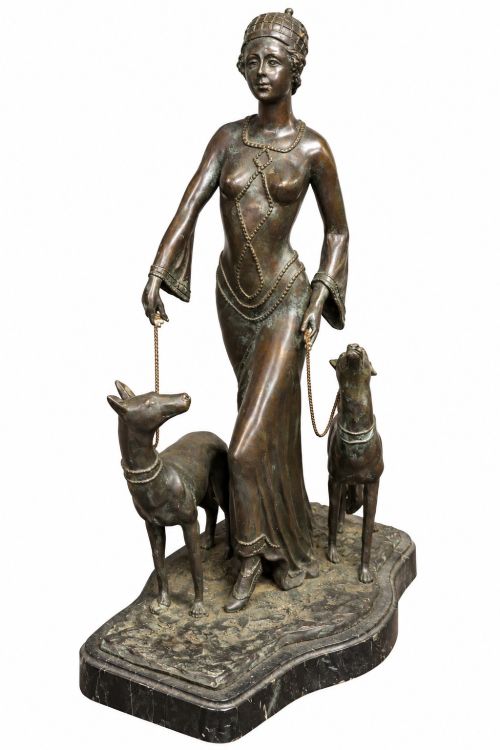
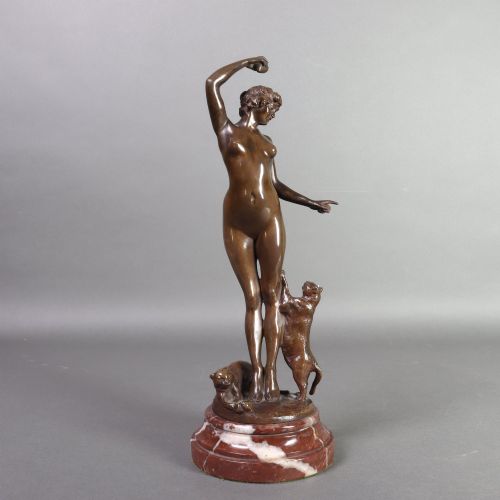
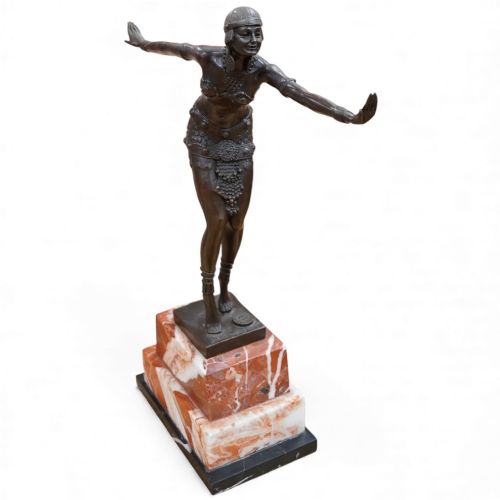
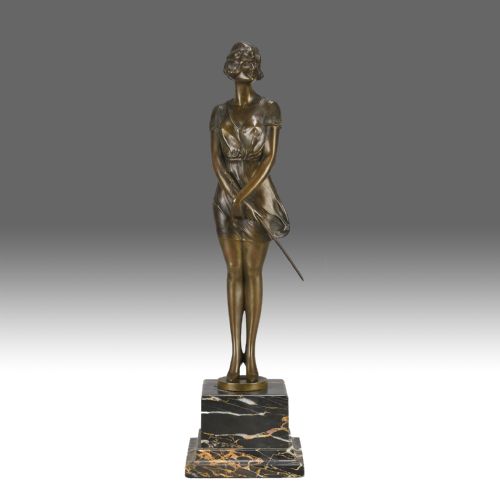
A bronze female figurine marble base brings sculptural elegance to a room, uniting metal figures with stone plinths.
Bronze Female Figurine Marble Base
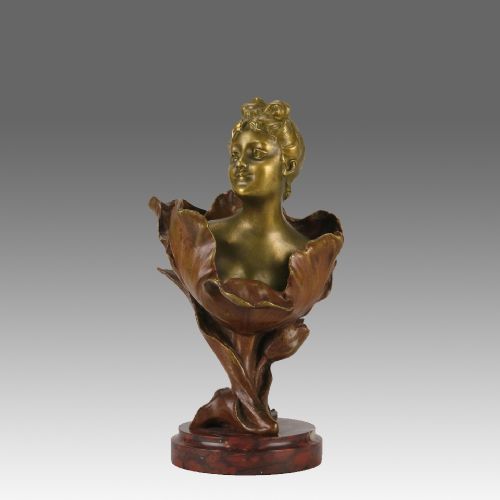
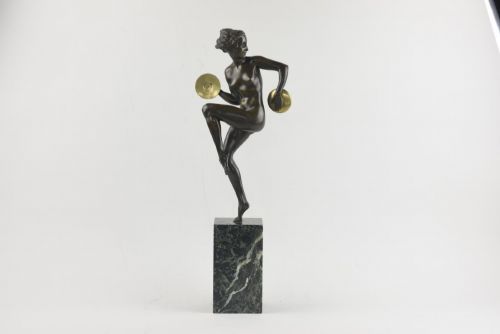
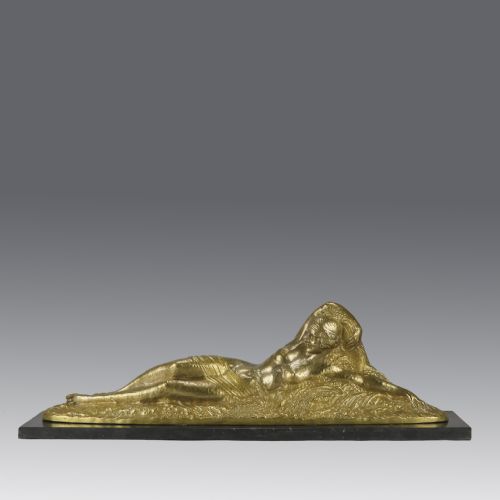
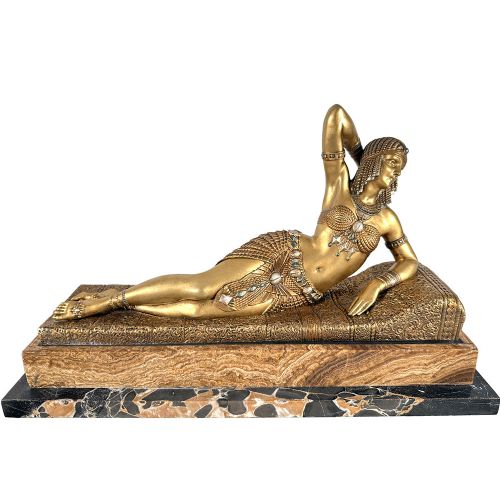
A bronze female figurine marble base combines cast metal figures with stone supports, capturing dancers, nudes, and allegorical subjects. These works frequently date from the late nineteenth century and the early decades of the twentieth century, reflecting periods of distinct artistic output.
The pieces on this page appear as freestanding sculptures, table lamps, and car mascots. Art Deco and Art Nouveau styles dominate the selection, showing dynamic female dancers alongside classical studies and allegorical portrayals.
Most examples originate from French workshops and sculptors working in bronze, gilt bronze, and patinated metal. Collectors encounter both grand tour antiquities and modernist interpretations mounted firmly on marble or onyx bases.
How they were made
Foundries cast these figures in bronze or spelter, often applying cold painted finishes, gilding, or silvering to enhance the surface detail of garments and hair. Artists utilised patinated metal to create subtle tonal variations across skin and drapery.
The metal figures are secured to bases carved from marble or onyx, anchoring the weight of the sculpture. Stonemasons shaped these plinths to complement the posture of the female subject, whether standing, reclining, or dancing.
Several figures are caught mid-leap on their stone mounts, balancing entirely on one tiptoe with gravity doing all the work.
What varies in quality
The precision of the casting distinguishes finer sculptures, where facial expressions, hands, and costume details remain crisp and well-defined. Lesser examples exhibit softer contours and simpler surface finishing.
The choice of stone mount also affects the piece, with dense, finely figured marble or onyx bases providing superior stability and visual weight compared to simpler supports.
Bruno Zach·Pierre le Faguays·Ferdinand Preiss·Demetre Chiparus·Henri Godet·Georges Van Der Straeten·Zoldan Kovats·Maurice Guiraud Riviere·Ernst Barrias·Eugène Désiré Piron·Josef Lorenzl·Paul Joris·C Neuhaus·Jean Jacques Pradier·Claire Colinet·Charlotte Monginot
The Bronze Female Figurine Marble Base Glossary
- Patinated bronze
- Bronze that has been chemically treated to alter its surface colour. This process deepens the tone and protects the metal.
- Cold painted bronze
- A technique where paint is applied to an unheated metal surface. Colours can dry flat or chip over time with handling.
- Spelter
- A zinc alloy utilised as a substitute for bronze. It is lighter in weight and softer to the touch.
- Grand Tour
- A traditional trip through Europe undertaken by upper-class travellers. Souvenirs often included small classical sculptures.
- Gilt bronze
- Metal coated with a thin layer of gold. It produces a bright, reflective surface finish.
Bronze Female Figurine Marble Base: Frequently Asked Questions
Where were these figures made?
Many of these pieces originated in French foundries and Parisian workshops during the late nineteenth and early twentieth centuries. Sculptors collaborated with specialised metalworkers to cast and finish each figure.
Foundry marks and signatures inscribed directly into the bronze or marble base often indicate the specific maker and origin of the sculpture.
How do I clean marble bases?
Dust the stone regularly with a soft, dry cloth to prevent the accumulation of dirt within the grain. Avoid harsh chemical cleaners that can etch or dull the polished surface.
For stubborn marks, a damp cloth with mild soap works best, followed immediately by drying with a clean towel.
What is cold painting?
Cold painting involves applying pigments to a bronze sculpture without heat bonding the colour to the metal. This technique allowed artists to add vibrant shades to garments and hair.
Careful handling is required to preserve these delicate painted surfaces, as moisture and friction can cause flaking over time.
How do I spot spelter?
Spelter is a zinc-based alloy that feels lighter than solid bronze and exhibits a softer texture under close inspection. Beneath any worn surface patina, the greyish metal colour of zinc often appears.
Magnet testing is inconclusive since neither bronze nor spelter is magnetic, so visual inspection of weight and surface wear remains essential.