





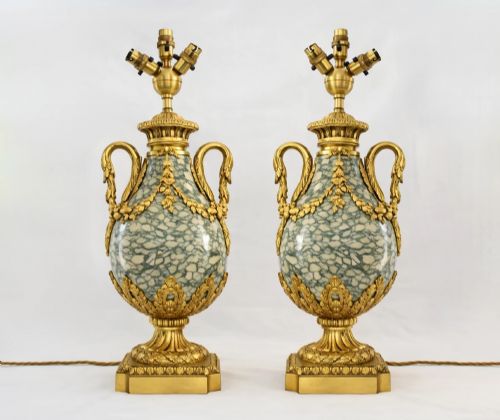


Bronze Desk Vases
Bronze desk vases bring tactile weight and historic craftsmanship to a workspace, offering refined vessels originally cast for display or utility.
Bronze Desk Vases
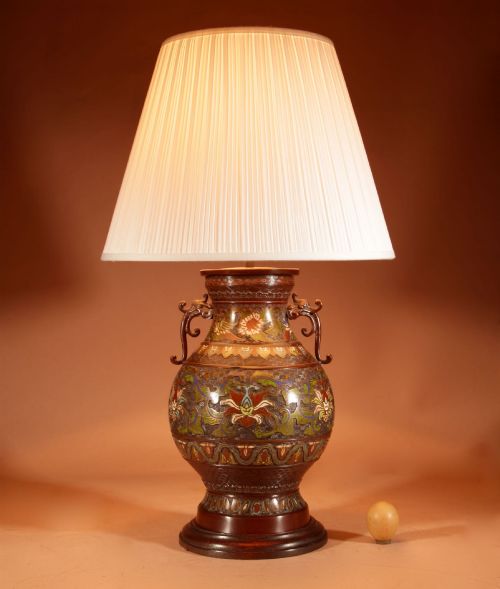
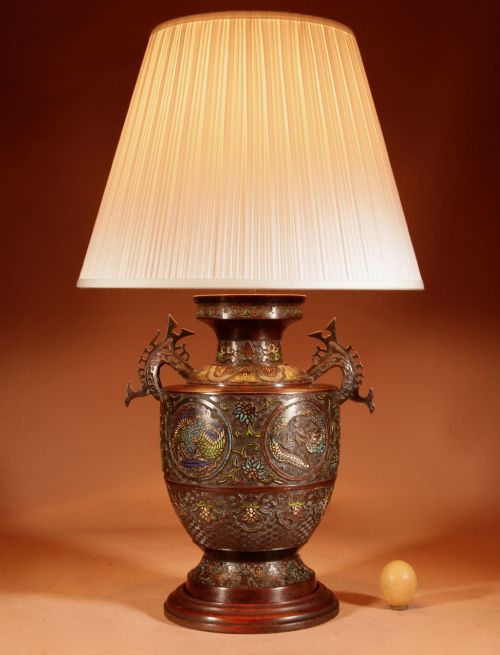
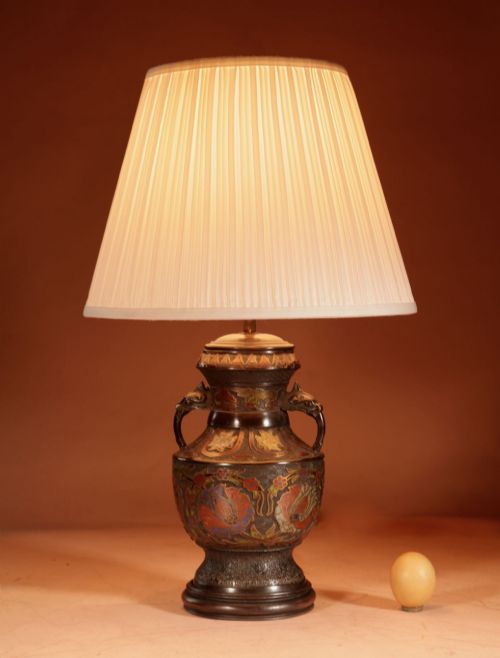
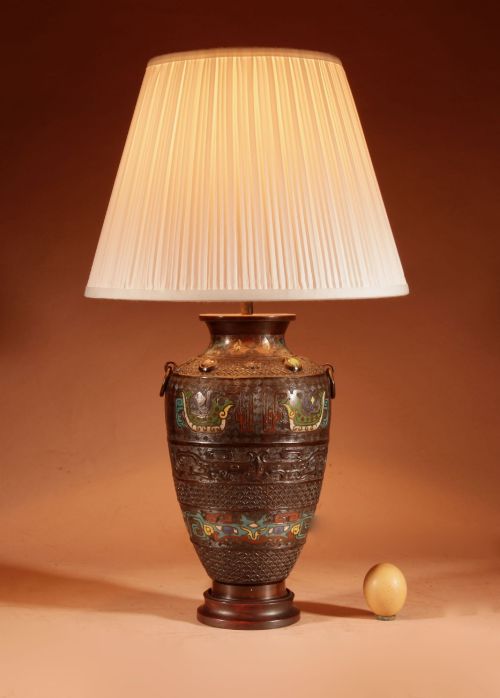
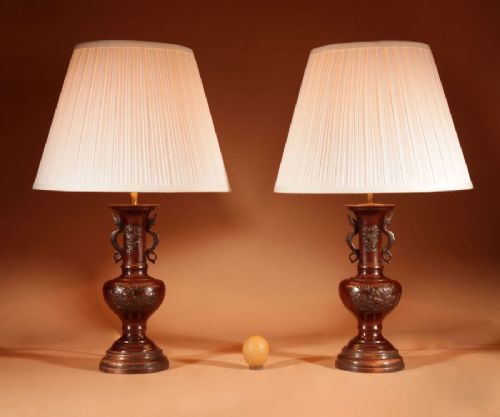
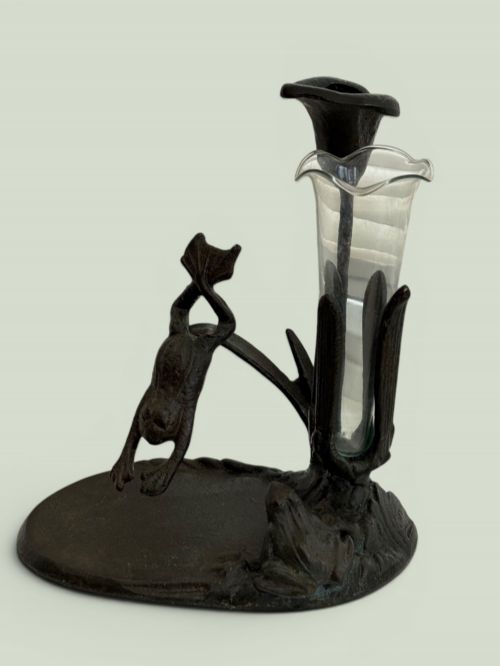
Bronze desk vases encompass cast metal vessels and small containers from the nineteenth century, including Japanese Meiji period examples and French styles. Buyers searching for bronze desk vases encounter items adapted as lamps or retained as decorative brush pots and flower holders.
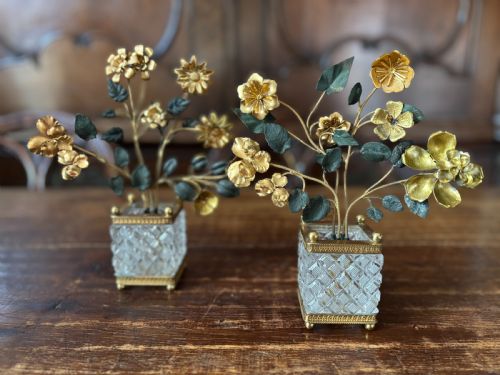
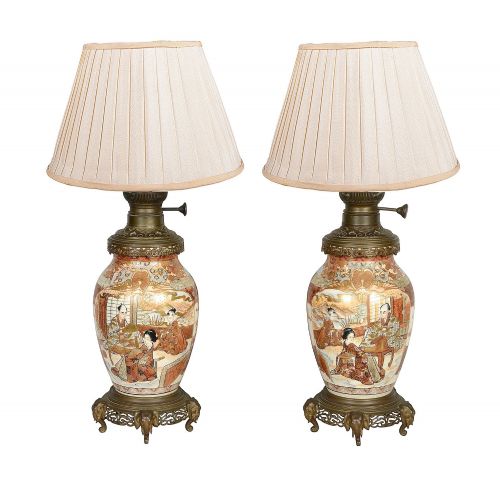
The selection ranges from Victorian bronze Japanese vases to ornate French gilt bronze and ormolu pieces. These objects reflect cross-cultural exchange through Chinese Chinoiserie and Japanese motifs alongside European classical revivals.
How they were made
These pieces rely on metal casting, utilising bronze, brass, and ormolu. Makers combined cast metal foundations with hand-applied champleve enamel, porcelain bodies, and mixed metal patination.
French workshops incorporated marble bases and gilt bronze mounts, while Asian pieces frequently employed intricate cloisonne work and detailed surface carving during the nineteenth century.
Bronze Desk Vases Retail Price Guide 2026
Typical asking prices for bronze desk vases among the pieces listed under this phrase on Sellingantiques today, from the lower quarter to the upper quarter. They describe what is for sale here now, not the wider market.
Some nineteenth-century vessels spent decades holding brushes before someone wired them for light.
What varies in quality
Quality rests on the crispness of the casting and the depth of the patination. Finer examples display meticulous hand-chased surface details and secure integration of mixed media elements like porcelain and enamel.
The distinction between standard production and superior work lies in the harmony of mounts, such as ormolu applied to porcelain or marble, showing precise alignment and proportional balance.
The Bronze Desk Vases Glossary
- Ormolu
- Gilded brass or bronze applied as decorative mounts to furniture, ceramics, or vases. This technique gained prominence in French decorative arts.
- Champleve
- An enamelling technique where troughs are dug into a metal surface and filled with vitreous enamel before firing. It frequently appears on nineteenth-century Japanese bronze items.
- Cloisonne
- Enamelling work created by soldering wire partitions to a metal vessel and filling the resulting cells with paste. This method produces vibrant decorative patterns.
- Meiji Period
- The era in Japanese history spanning from 1868 to 1912. Pieces from this time often feature signature bronze casting and mixed metal decoration.
- Cassolette
- A decorative vessel shaped like a vase or jar, frequently fitted with a pierced cover. These objects often double as lamp bases in nineteenth-century interiors.
Bronze Desk Vases: Frequently Asked Questions
How do I identify a Meiji period vase?
Meiji period pieces are distinguished by Japanese aesthetic motifs, precise bronze casting, and mixed metal accents typical of late nineteenth-century metalwork.
Look for skilled patination and surface signatures that align with the Japanese craftsmanship of the era.
Are these vases converted to lamps?
Many items listed under this search function as both decorative vessels and converted lamp bases, reflecting historical interior adaptation.
Original vase forms remain alongside pieces fitted for electrical wiring during subsequent decades.
What materials accompany the bronze?
Bronze is frequently paired with porcelain, marble, silk, and ormolu mounts depending on whether the origin is French or Asian.
Workshops combined these media to elevate the decorative presence of the desk vessels.
How do French and Japanese styles differ?
French pieces often draw on Louis XVI and Napoleon III revivals, incorporating marble and gilt bronze mounts onto porcelain bodies. Japanese items emphasise bronze casting, dragons, and mixed metal brush pots from the Meiji period.