



Bronze Deer Figurine
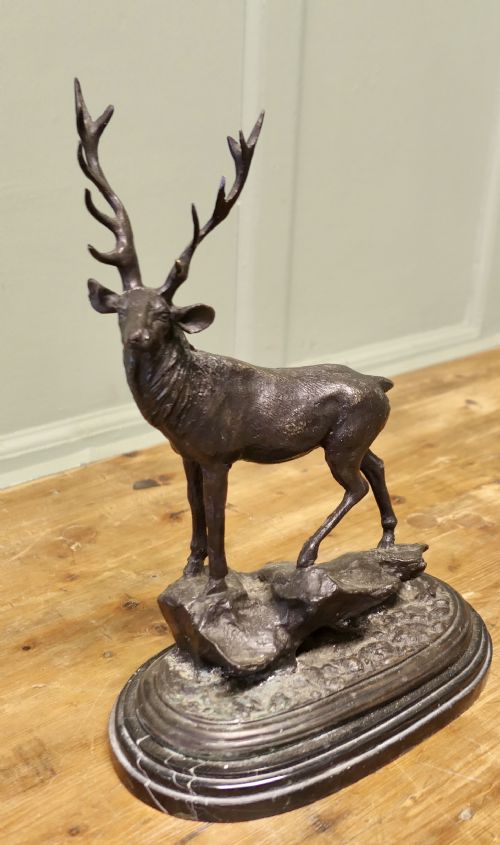
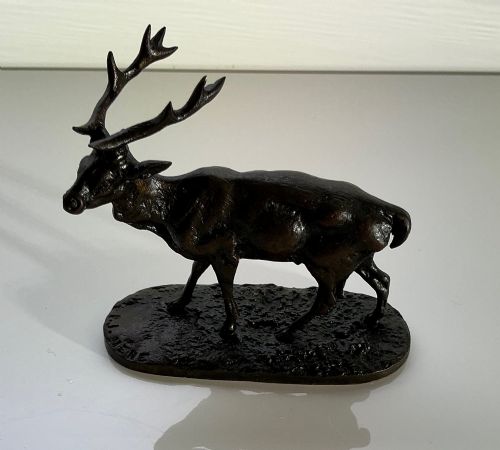
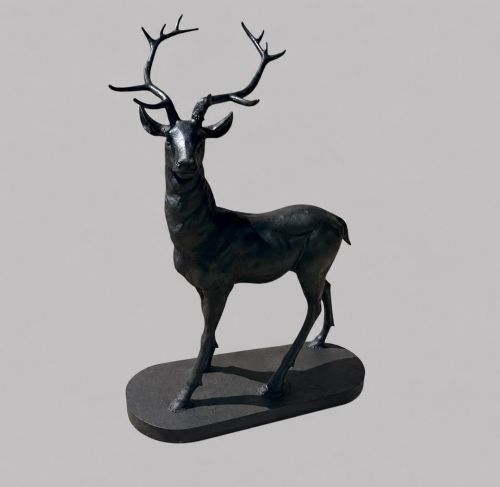
These bronze deer figurine pieces capture stag, doe and fawn forms across nineteenth century and twentieth century iterations.
Bronze Deer Figurine
A bronze deer figurine represents stags, does, fawns and groups of animals cast in metal and mounted on stone bases. Collectors search for these animalier sculptures to bring realistic or stylised wildlife studies into an interior space.
The pieces listed here span the nineteenth century, the Victorian era, the nineteen-twenties and nineteen-thirties. You will encounter nineteenth century animalier bronze studies alongside Art Deco spelter groups set on marble and onyx plinths.
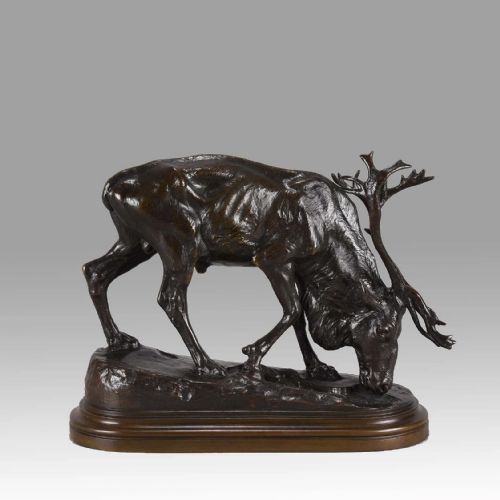
Stags standing on rocks, reclining does and reindeer appear frequently among the forms. Some examples depict mythological scenes, such as Pan playing the pipes to a fawn.
How they were made
Foundries utilised bronze and spelter as primary casting metals to render the musculature and antlers of each animal. Spelter served as a more economical alternative to bronze during later manufacturing periods.
Sculptors mounted these metal figures onto heavy bases formed from marble and onyx. Bases provide structural stability and create a defined plinth for the animal study.
Bronze Deer Figurine Retail Price Guide 2026
Typical asking prices for bronze deer figurine among the pieces listed under this phrase on Sellingantiques today, from the lower quarter to the upper quarter. They describe what is for sale here now, not the wider market.
Pan occasionally interrupts the herd to play his pipes to an attentive fawn.
What varies in quality
The refinement of the casting separates standard decorative items from superior artist-led sculptures. Precision in the rendering of animal anatomy and natural textures dictates the standing of a piece.
Signature marks from notable sculptors and the quality of the stone plinth influence the overall character of the work. Well-integrated multi-material compositions demonstrate greater ambition in design.
PJ Mene·A L Barye·Isidore Bonheur·I Rochard·Jules Moigniez
The Bronze Deer Figurine Glossary
- Animalier
- A nineteenth-century artistic movement dedicated to the realistic portrayal of animals. Sculptors in this tradition studied live specimens closely to capture authentic movement and anatomy.
- Spelter
- A zinc alloy utilised as a substitute for bronze in decorative metalwork. It often received a bronze-coloured finish to mimic the appearance of genuine metal castings.
- Plinth
- A heavy base of marble or onyx supporting the metal sculpture. It elevates the figure and grounds the composition.
- Patina
- The surface coloration and sheen developed naturally over time or applied chemically by the foundry. It enhances the depth of the metal work.
Bronze Deer Figurine: Frequently Asked Questions
What is an animalier sculpture?
An animalier sculpture focuses specifically on the realistic representation of animals in bronze or other metals. These pieces became prominent during the nineteenth century through the work of specialised French and European artists.
Makers observed wildlife in menageries and natural habitats to capture accurate anatomical detail and posture. This tradition persists in both individual animal studies and grouped compositions.
How do I tell bronze from spelter?
Bronze is a heavy, durable copper alloy that maintains a cool temperature and develops a stable patina. Spelter is a softer zinc-based metal that feels lighter and can show a more brittle fracture if damaged.
Many spelter pieces feature a applied metallic coating to simulate bronze. Inspecting the underside or areas of wear often reveals the lighter grey metal beneath.
Where were these sculptures displayed?
These figures were designed as decorative cabinet bronzes or mantelpiece ornaments for nineteenth and twentieth century homes. Their substantial marble and onyx bases allowed them to stand securely on wooden furniture.
Collectors today place them on desks, bookshelves and side tables where the detail of the metalwork remains visible.
How do I care for a marble base?
Clean marble and onyx bases gently using a soft, dry cloth to remove dust and surface debris. Avoid harsh chemical cleaners or excess moisture which can penetrate porous stone.
Protect the undersides with felt pads if placing the heavy plinth on delicate wooden surfaces.