


Bronze Children Figurine
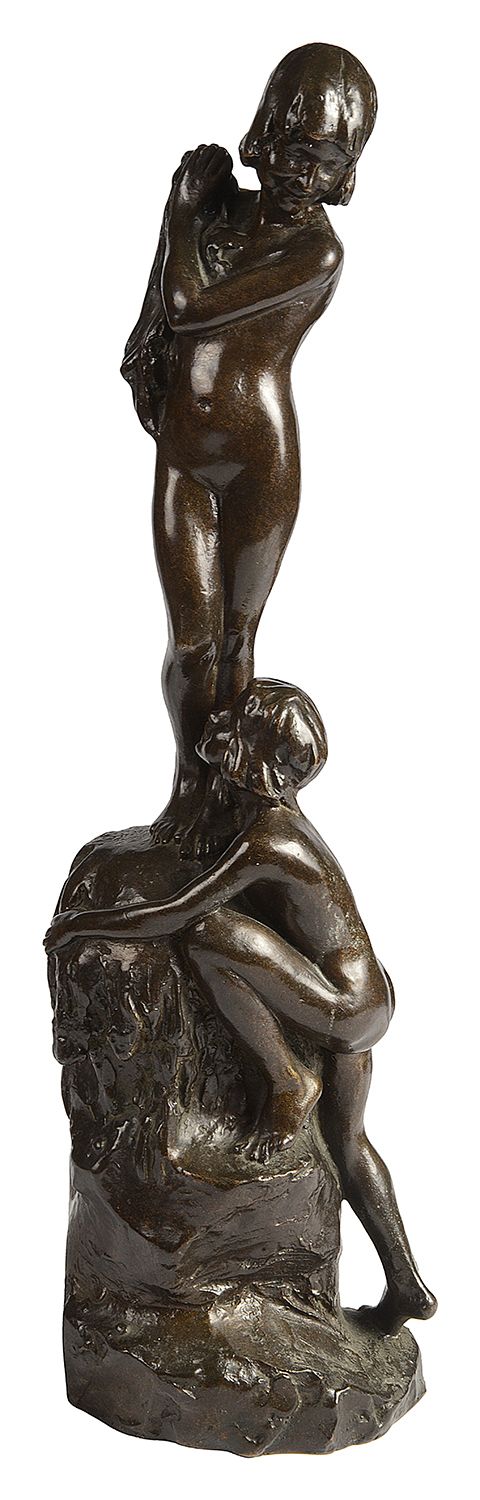
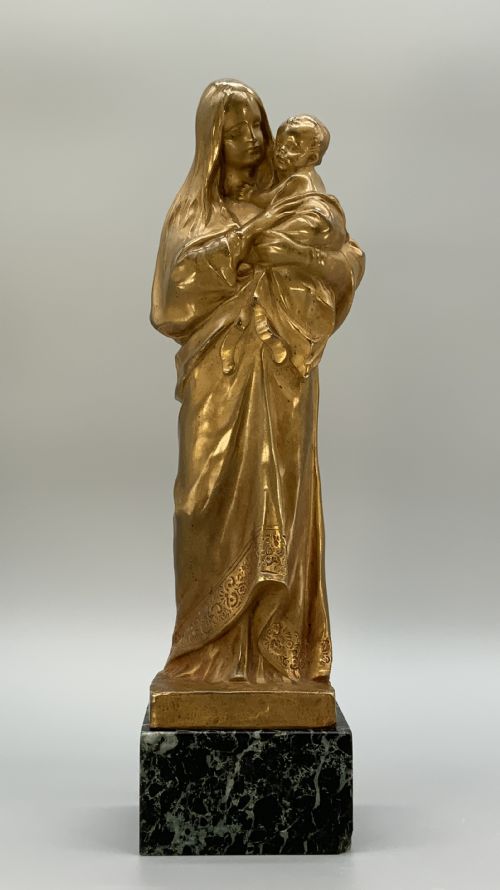
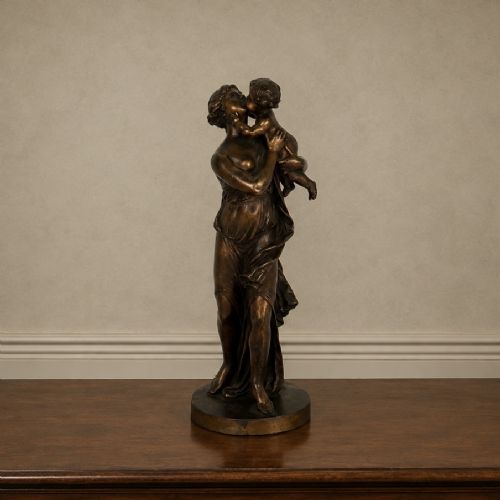
A bronze children figurine captures youth and domestic warmth in metal, offering a tactile focal point for a mantelpiece or cabinet.
Bronze Children Figurine
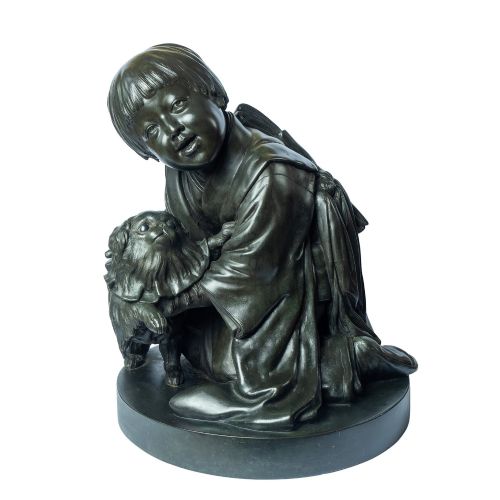
When you search for a bronze children figurine, you encounter sculptural works depicting infants, young boys and girls, and maternal groups from the nineteenth and early twentieth centuries. These pieces range from classical studies of mothers and children to playful depictions of youngsters with animals, bathing, or eating grapes.
The versions most commonly met on this page include French and Austrian works, alongside Japanese okimono. You will find table lamps, small busts, and full figures resting on marble or alabaster bases, reflecting Victorian, Art Nouveau, and Art Deco aesthetics.
How they were made
Makers utilised traditional casting techniques, primarily working in bronze, gilt bronze, and spelter. Many figures benefit from a dark patina that accentuates the modelling of clothes, hair, and expression.
Finished metal figures are frequently mounted on heavy supportive bases made of marble, alabaster, or wood. This combination provides stability and creates a distinct visual contrast between the cold stone and the warm metal.
Listings feature works from the 19th Century, Victorian era, Art Nouveau, and Art Deco periods, utilising bronze, spelter, marble, and alabaster.
What varies in quality
The integration of the material determines the success of the piece, particularly where metal meets a marble or alabaster base. Stronger works demonstrate balanced proportions and an expressive narrative, whether depicting a sleeping cherub or children with animals.
E A Clapp·Hans Müller·Masaaki·Antonio Merente·H Chiparus·Auguste Moreau·Carl Kauba·Lucien Madrassi·Alexandre Kelety·Dumond·Marion Willis Stanfield·Xavier Raphanel·Pigale
The Bronze Children Figurine Glossary
- Patina
- The surface sheen or coloration developed through age or chemical treatment. A dark patina enhances the depth of sculptural details on metal figures.
- Spelter
- A zinc alloy commonly utilised as a substitute for bronze. French workshops frequently employed this material for figures during the early twentieth century.
- Okimono
- A Japanese term for a decorative object intended for display. These standalone carvings and metal sculptures often depict figures or daily scenes.
- Alabaster
- A fine-grained, translucent stone used for bases. It provides a pale, smooth foundation that contrasts with dark patinated metal.
Bronze Children Figurine: Frequently Asked Questions
What periods do these figures come from?
The pieces span the nineteenth and early twentieth centuries, covering the Victorian era through to the Art Deco period. You will find specific dates and stylistic markers distributed across these decades.
Craftsmen produced work under various European and Japanese influences during this broader timeline, resulting in diverse aesthetic expressions.
How were these figures mounted?
Many figures are attached to heavy plinths or bases made from contrasting materials such as marble, alabaster, or wood. These additions anchor the composition and provide structural support for standing or seated forms.
The choice of base often reflects the period of manufacture, with stone bases being particularly common in later nineteenth and twentieth-century works.
What subjects are depicted?
Subjects include young children bathing, playing with animals like dogs and cats, or engaging in classical pursuits such as gathering grapes. Maternal groups and studies of sleeping babies also appear frequently.
These domestic and classical scenes capture intimate moments of youth, rendered through realistic or stylised artistic interpretations.
Are all pieces solid bronze?
Not all items consist entirely of bronze, as some pieces utilise gilt bronze or spelter as an alternative metal medium. Workshops selected different metals based on cost, desired finish, and the specific requirements of the design.
Listing descriptions clarify the primary material used in each individual object.