


Bronze Canine Desk Ornament
A bronze canine desk ornament brings character and weight to a working table, offering enduring animalier artistry from the nineteenth and early twentieth centuries.
Bronze Canine Desk Ornament
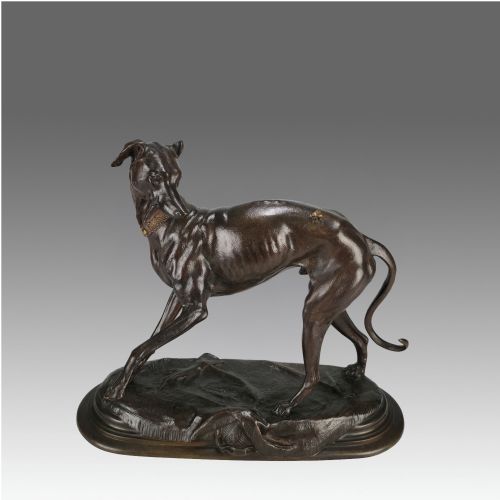
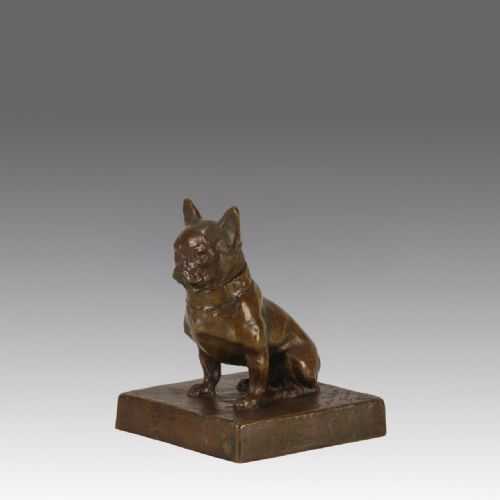
A bronze canine desk ornament encompasses heavy sculptural studies of dogs designed for writing tables and studies. These pieces capture hounds, terriers, bulldogs and pugs in alert or resting poses.
The selections encountered here span the Victorian era, the nineteenth century and the early twentieth century. Examples range from simple cold-painted figures to functional items such as triple inkwells.
Stylistic influences lean heavily toward French Animalier traditions alongside Austrian Vienna bronze and Art Deco expressions. Each sculpture reflects the specific anatomical study valued by period makers.
Materials and construction methods
Foundries shaped these works primarily through traditional metal casting methods using bronze. Artisans frequently applied cold-painted enamel to the metal surface to render realistic canine markings and coat colours.
Certain desk accessories integrate mixed media, combining cast metal with wooden mounts or glass elements. Founders such as Barbedienne utilised meticulous chasing and patination to refine the surface texture after casting.
Several dogs on this page display remarkably stern expressions while holding balls or sitting in polite begging poses.
Assessing quality in period metalwork
Superior quality in a bronze canine desk ornament rests upon the precision of the casting and the crispness of the chased detail. Finer examples capture realistic musculature and expression without losing definition in the fur.
The integrity of the cold-painted surface distinguishes workshop standards. Original retained enamelwork shows subtle tonal gradients rather than flat, opaque coverage.
Alfred Barye·Dora Heber·Edith Parsons·Arthur Waagen·Joseph Francois Victor Chemin·Franze Bergman·Barbedienne
The Bronze Canine Desk Ornament Glossary
- Animalier
- Nineteenth-century artistic style focused on the realistic depiction of animals. This genre gained immense popularity across Europe, particularly within French sculpture schools.
- Cold-Painted Bronze
- Metal sculpture decorated with oil-based paints that were applied without high-temperature firing. This technique allowed for vibrant surface colours on Vienna bronzes.
- Inkwell
- A small reservoir for holding ink, often incorporated into desk sculptures. These functional pieces placed animal figures atop integrated glass or metal ink containers.
- Patina
- The surface coloration and sheen developed naturally over time or applied chemically by the founder. A good patina enhances the perceived depth of the bronze casting.
Bronze Canine Desk Ornament: Frequently Asked Questions
How do I care for cold-painted bronze?
Cold-painted surfaces require gentle dusting with a soft, dry cloth to protect the delicate enamel.
Moisture and harsh cleaning agents must be avoided entirely to preserve the original painted finish.
How can I tell the period?
Dating relies upon stylistic markers, foundry marks, and the specific casting techniques used by the workshop.
Victorian and Art Deco examples exhibit distinct anatomical proportions and base designs characteristic of their respective eras.
Were these items purely decorative?
While many served strictly as ornamental figures, others integrated practical desk functions.
Examples include heavy canine sculptures fitted with inkwells designed for nineteenth-century writing spaces.