





Bronze Art Plate
These bronze art plate examples range from ancient Chinese mirrors to Japanese Meiji cloisonne chargers, offering distinct historical artistry for the discerning collector.
Bronze Art Plate
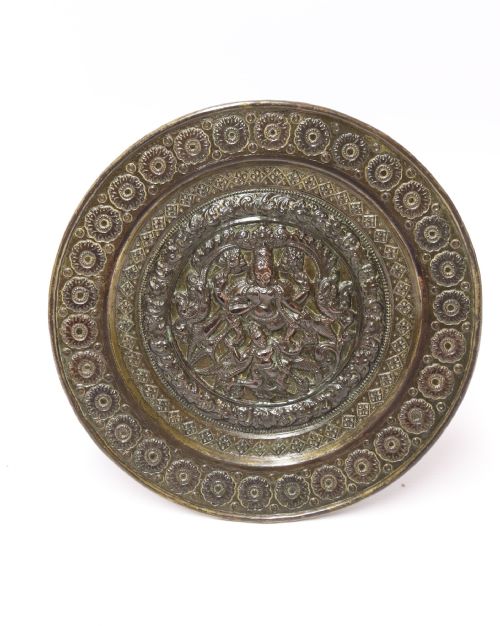
A bronze art plate encompasses decorative vessels, chargers, and wall plaques originating from diverse periods such as the nineteenth century and the Japanese Meiji era. Buyers seek these items for their intricate craftsmanship and historical significance across Asian and European decorative traditions.
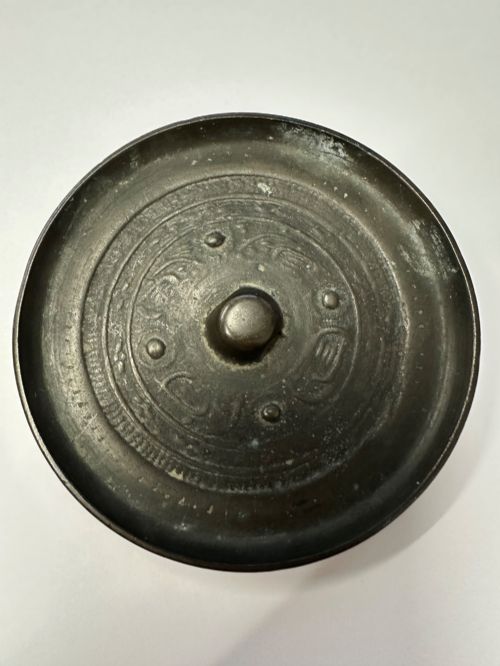
Earlier examples extend to ancient Chinese mirrors attributed to the Western Han Dynasty alongside Indian Raj period plaques. Each piece functions primarily as a decorative object rather than a utilitarian vessel.
Materials and construction
Metalworking techniques combine cast bronze, brass, copper, and silvered bronze with applied enamel. Japanese cloisonne pieces utilise wirework cells soldered to metal bases to contain brightly coloured vitreous enamels.
European works integrate mixed media, pairing silver plated or patinated metal with grey breccia marble and cut crystal. Ancient Chinese objects demonstrate early casting methods in bronze to achieve reflective surfaces and detailed relief decoration.
Bronze Art Plate Retail Price Guide 2026
Typical asking prices for bronze art plate among the pieces listed under this phrase on Sellingantiques today, from the lower quarter to the upper quarter. They describe what is for sale here now, not the wider market.
Some koi fish manage to leap across century boundaries without losing a single enamel scale.
Assessing quality and execution
Superior examples display precise control in cloisonne enamel work, achieving smooth surfaces and balanced compositions without pitting or distortion in the wire cells. The clarity and depth of the enamel colours indicate the skill of the maker.
Cast metal items demonstrate quality through crispness of detail in the relief work and the stability of the patination. Integration of secondary materials, such as fitted cut crystal or marble bases, requires secure construction and harmonious proportions.
Christofle et Cie
The Bronze Art Plate Glossary
- Charger
- A large decorative plate or platter intended for display rather than dining use. These items often feature elaborate surface decoration.
- Cloisonne
- An enamelwork technique where metal wire is soldered to a metal body to create compartments filled with paste and fired. This method produces intricate multicoloured patterns.
- Patinated Metal
- Metal surfaces treated with chemicals or heat to produce a stable coloured oxidation layer. This finish protects the underlying metal while enhancing visual texture.
- Centrepiece
- A large ornamental object placed in the middle of a table or furniture piece. These often combine silvered bronze with crystal components.
- Breccia Marble
- A composite stone made of broken rock fragments embedded in a fine-grained matrix. It provides a heavily patterned contrasting base for metalwork.
Bronze Art Plate: Frequently Asked Questions
What is a bronze art plate?
A bronze art plate is a decorative wall plaque, charger, or ornamental dish cast or worked in metal. These objects span multiple centuries and geographic regions, often featuring detailed enamel or relief work.
They serve primarily as display pieces rather than functional tableware. Collectors prize them for their distinct cultural motifs and period manufacturing techniques.
How are Japanese cloisonne plates made?
Japanese cloisonne plates are produced by soldering fine metal wires onto a bronze or copper base to form outlined compartments. These cells are then filled with vitreous enamel paste and fired repeatedly in a kiln.
After cooling, the surface is ground down and polished to create a smooth finish where metal lines separate vibrant sections of colour.
Where were antique bronze plates used?
Antique bronze plates and chargers were historically displayed in prominent reception rooms or dining spaces to demonstrate the owner's taste and wealth. Wall chargers hung from picture rails, while centrepieces adorned large tables.
In earlier contexts, such as ancient dynasties, bronze mirrors held both ritual and personal utility functions before becoming sought-after cabinet pieces.
How do I care for antique bronze?
Care for antique bronze involves keeping the object in a stable environment away from high humidity and direct sunlight. Dusting should be performed gently with a soft, dry cloth to protect patinated surfaces and enamel.
Polishing agents should generally be avoided unless specifically required, as they can remove historical patination and damage fragile cloisonne wirework.