





British Still Life
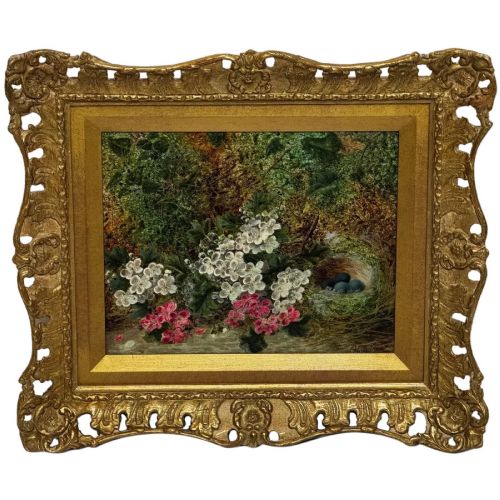
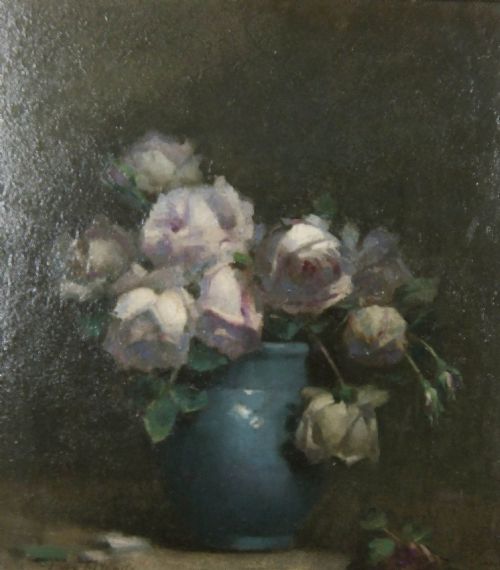
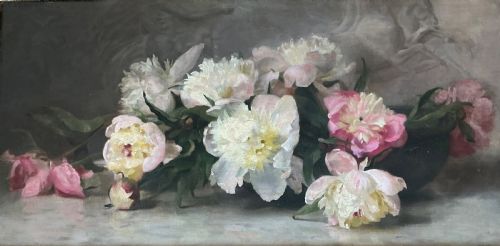
British still life paintings capture domestic arrangements of flora and fruit across canvases and panels dating from the nineteenth century to the mid-twentieth century.
British Still Life
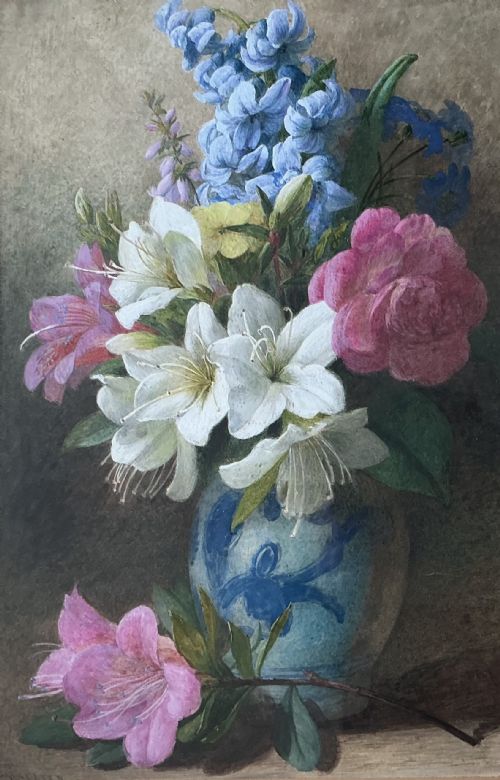
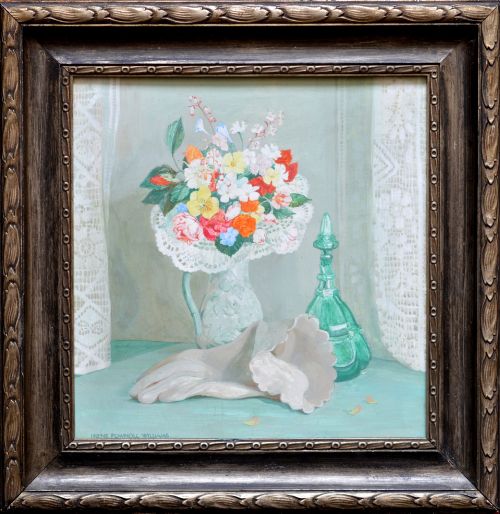
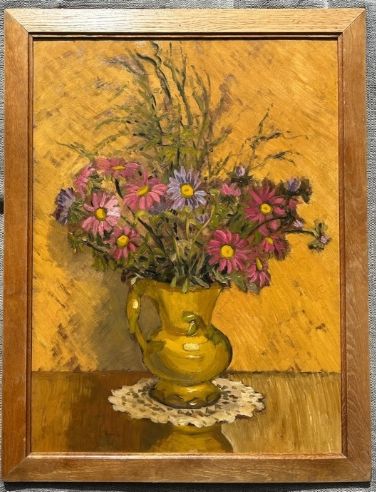
A buyer examining a british still life encounters oil paintings, watercolours, and tempera works depicting composed subjects like flowers in ceramic jugs, bowls of fruit, and domestic interiors.
The selections span distinct creative periods including Victorian academic studies, Edwardian compositions, and modernist interpretations from twentieth-century British art schools.
Most examples meet the eye as framed wall art on canvas, paper, or wooden panels, capturing flowers such as roses, anemones, and peonies arranged simply in vases.
Materials and Construction
Artists painted primarily with oil paint or watercolour, applying pigments onto prepared canvas, heavy paper, wooden panels, or board.
Some works incorporate tempera or gouache, utilising water-soluble binders to achieve opaque surfaces on panel or paper supports.
Compositions often feature secondary elements such as gold leaf accents or simple wooden frames enclosing the primary canvas.
British Still Life Retail Price Guide 2026
Typical asking prices for british still life among the pieces listed under this phrase on Sellingantiques today, from the lower quarter to the upper quarter. They describe what is for sale here now, not the wider market.
Listings feature works spanning from the nineteenth century through the 1960s, executed in oil, watercolour, tempera, and gouache.
Distinctions in Execution
Quality rests in the handling of light and shadow across the surfaces of fruit and petals, distinguishing careful observation from formulaic execution.
The security of the medium upon its support, whether oil on canvas or watercolour on paper, influences the stability and visual depth of the composition.
George Armfield·Irene Christobelle Pownoll Williams·Kenneth Cozens·Oliver Clare·William Thomas Wood
The British Still Life Glossary
- Tempera
- A permanent, fast-drying painting medium consisting of coloured pigments mixed with a water-soluble binder such as egg yolk.
- Gouache
- An opaque water-based paint method producing heavier, denser colour coverage than standard watercolour.
- St Ives School
- A group of artists based in Cornwall associated with the development of British modernism.
- Provenance
- The documented history of ownership associated with a work of fine art.
British Still Life: Frequently Asked Questions
What subjects appear in these paintings?
The compositions focus predominantly on cut flowers in jugs and vases, alongside arrangements of fruit, wine glasses, and domestic objects.
Artists arranged these everyday items to study light, colour relationships, and natural forms within controlled interior spaces.
How should these works be displayed?
These paintings suit traditional and modern domestic spaces alike, typically hung at eye level on neutral walls away from direct sunlight.
Proper placement protects fragile watercolours on paper and oil paintings on canvas from environmental moisture and heat fluctuations.
How are different periods distinguished?
Victorian and Edwardian examples lean towards detailed academic realism, capturing botanical textures with heavy oil paint or delicate watercolour washes.
Mid-century works shift towards simplified geometry, tempera applications, and modernist perspectives influenced by contemporary artistic movements.
What is the difference between oil and watercolour versions?
Oil paintings utilise viscous pigments on canvas or panel to build rich surface depth, texture, and luminosity over time.
Watercolour paintings employ fluid pigments on paper to achieve lighter, translucent effects that capture immediate botanical studies.