


British Royal Portraiture
British royal portraiture records sovereigns and historical figures through centuries of oil paintings, pastels, and prints.
British Royal Portraiture
British royal portraiture encompasses oil paintings, pastels, and prints depicting monarchs and figures connected to the crown across various historical periods. The selections span from the Stuart era and 17th Century through the Georgian and Victorian periods, reaching into the mid-20th Century.
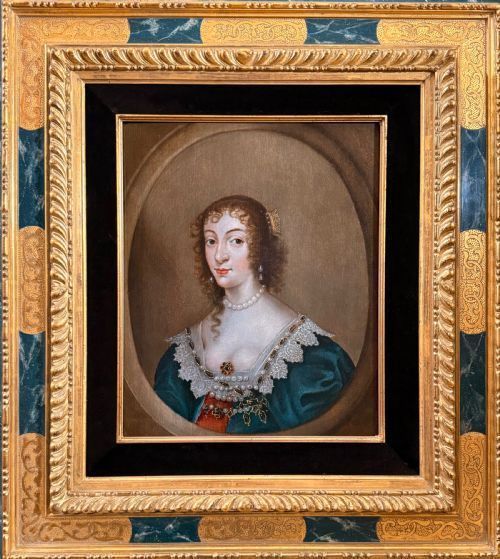
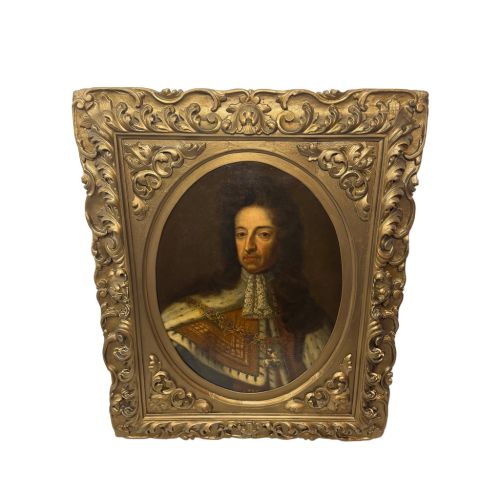
Buyers encounter oil paintings on canvas and panel alongside mezzotint prints and pastels set within gilt frames. Representations of figures such as King William III, Queen Henrietta Maria, and Queen Victoria frequently appear in these listings.
Works range from studio pieces and school attributions to specific studies by named artists, documenting the visual language of monarchy and official status over time.
Materials and Construction
Artists utilised oil paint applied to canvas, board, and wood panel as the primary medium for substantial likenesses. These paintings are often housed in decorative gilt wood frames that complement the scale and formal nature of the subject.
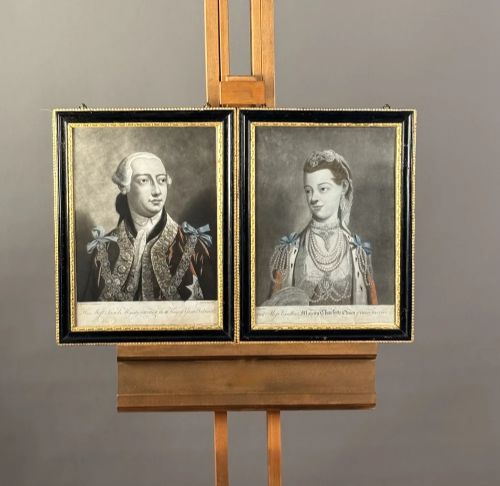
Works on paper include mezzotint prints and ink or pastel applications, capturing fine details of royal regalia, naval uniforms, and orders such as the Garter. Glass is employed to protect these delicate paper works and prints.
Techniques range from Baroque and Georgian studio traditions to 20th Century realism and mid-century modernist approaches, reflecting the evolving methods of portrait painters across different centuries.
Listings feature works spanning the 17th Century to 1960, utilising canvas, oil paint, gilt wood, paper, ink, and glass.
Distinctions in Execution
Quality rests in the handling of the subject's likeness, the rendering of fabrics and insignia such as the Order of the Garter, and the depth of the painting technique. Works attributed to established studios or known artists demonstrate superior draughtsmanship and presence.
The integrity of the original canvas, panel, or paper support alongside the condition of the paint layer or ink impression dictates the overall standard. Original gilt wood frames that match the period of the artwork further elevate the piece.
The provenance and direct association with recorded artists or documented royal subjects distinguish exceptional examples from standard historical studies and provincial works.
Sir Godfrey Kneller·Thomas Frye·Richard Purcell·Aubrey Sykes·Allan Gwynne-Jones·Valerie Mackenzie·Edward Bird·John Laviers Wheatley·Sir Oswald Hornby Joseph Birley·Alexander Melville·Edward Bainbridge Copnall
The British Royal Portraiture Glossary
- Mezzotint
- A printmaking process of the intaglio family where the plate is roughed to produce dark tones and scraped to create light areas. This technique allowed for subtle gradations of tone in royal portrait prints.
- Baroque
- An ornate artistic style prevalent in the 17th and early 18th centuries characterised by drama and rich detail. Portraits from this period often display theatrical drapery and intense lighting.
- Order of the Garter
- The oldest and most senior British order of chivalry, founded in the 14th century. Depictions frequently include the distinctive blue sash or badge worn by the royal subject.
- Oil on Panel
- A painting created by applying oil paint directly to a prepared wood surface. This support was common in earlier centuries before canvas became the dominant medium.
British Royal Portraiture: Frequently Asked Questions
What periods do these portraits cover?
The pieces span from the 17th Century Stuart period through the 18th Century Georgian era and Victorian times, extending into the mid-20th Century up to 1960.
This broad chronological range allows collectors to find works representing distinct historical eras and changing artistic movements in British art.
Are these works original or copies?
The listings include original oil paintings, pastels, and period prints, alongside works originating from artist studios or attributed schools.
Each listing specifies the medium, such as oil on canvas, oil on board, or mezzotint, to indicate the exact nature of the piece.
How should I display a gilt wood frame?
Gilt wood frames should be placed away from direct sunlight and fluctuating humidity to protect the delicate gold leaf and the underlying wood structure.
Stable indoor environments ensure the frame continues to support and preserve the oil painting or print safely.
What subjects besides monarchs appear here?
Alongside kings and queens such as King Charles II and Queen Victoria, the selections feature naval officers, military personnel, and children associated with historical trades.
These diverse subjects reflect the wider social and military hierarchy captured by portrait painters alongside the royal family.