


British Portraiture Oil Artwork
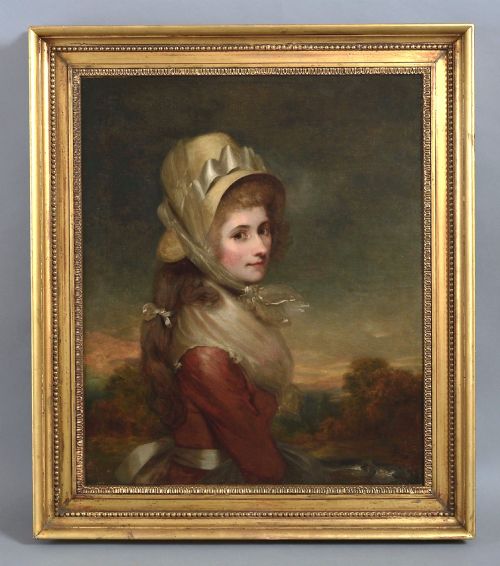
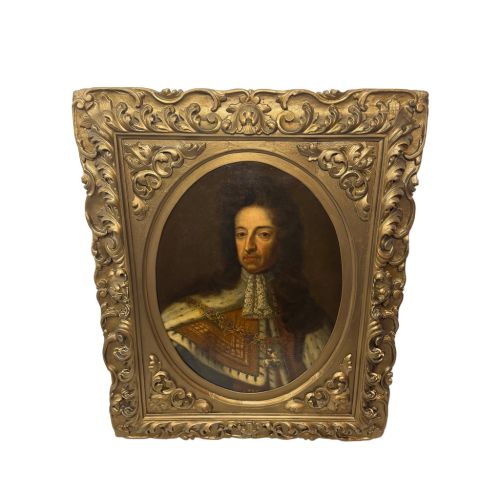
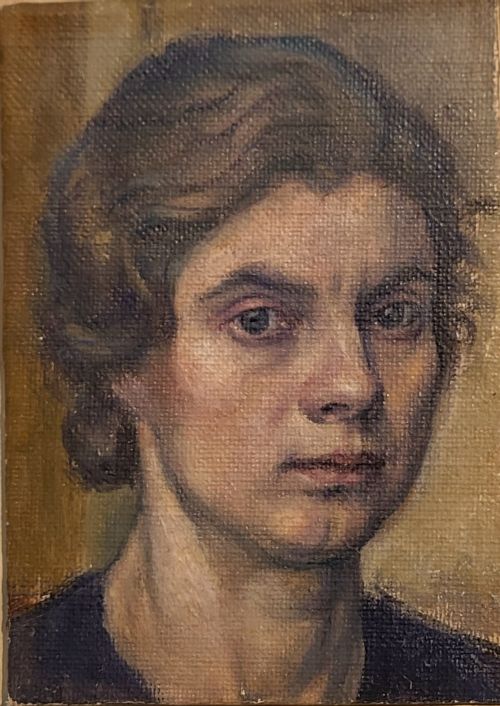
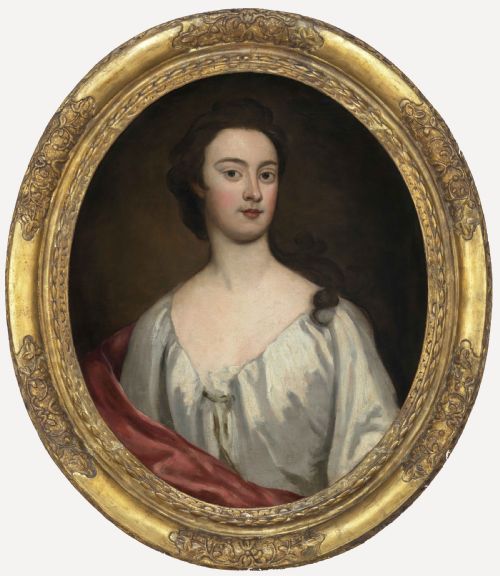
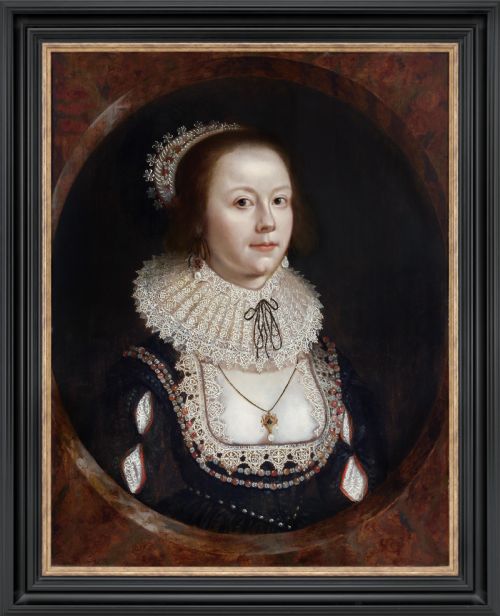
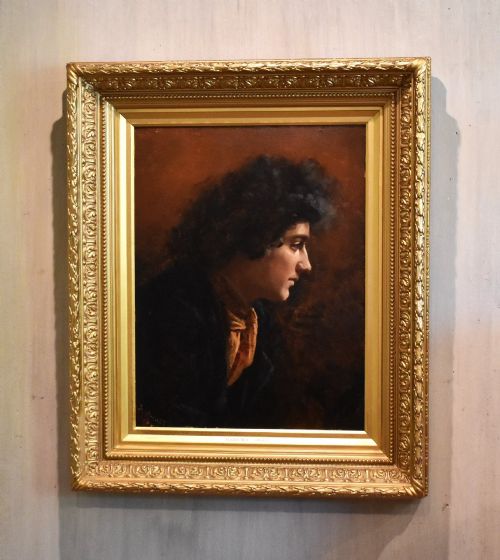
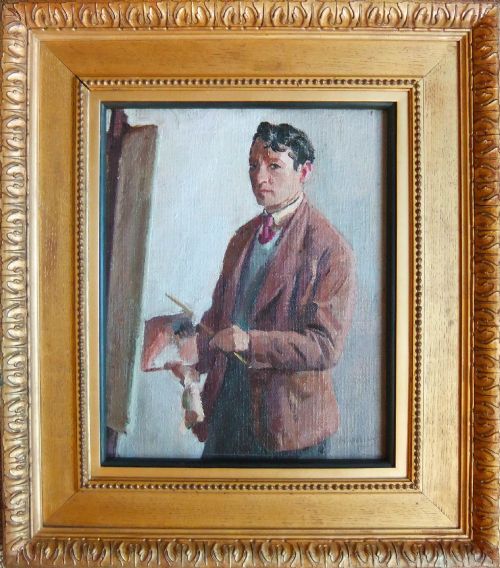
British portraiture oil artwork brings centuries of painted character into your room, offering everything from solemn 17th-century nobility to mid-century figures.
British Portraiture Oil Artwork
The pieces on this page originate from distinct eras including the Georgian, Victorian, and Edwardian periods, alongside modernist twentieth-century interpretations. You are most likely to meet canvases depicting notable historical figures, local gentry, or anonymous sitters captured by regional and metropolitan artists.
Materials and Construction
The works rely primarily on oil paint applied to woven canvas or occasionally wooden panels, utilising the slow-drying nature of oils to build depth and luminosity. Artists layered pigments to achieve realistic skin tones, rich fabrics, and intricate lace details.
Many of these paintings survive within their original or period-appropriate wooden frames, often ornamented with gesso and gilt wood finishes. These supportive structures vary from heavy baroque moulding to simpler nineteenth-century framing.
Listings feature works spanning from the seventeenth century through to the mid-twentieth century, executed primarily in oil paint on canvas or wood.
Assessing Quality and Execution
Quality in these works rests upon the artist's command of anatomy, light, and psychological depth, distinguishing master painters from routine regional copyists. Superior examples capture the distinct personality and texture of the sitter's attire with confident, fluid brushwork.
The preservation of the paint surface and the stability of the underlying canvas or panel also dictate the caliber of a piece. Works that retain their original luminosity without heavy overpainting or structural distortion command greater appreciation from collectors.
Sir Martin Archer Shee·Jeremiah Davison·Cornelius Johnson·Florence Small·Philip Naviasky·John Greenhill·Thomas Gainsborough·Alan Ramsay·Charles Sillem Lidderdale·Enoch Seeman·Frank Owen Salisbury·Thomas Robson·Sir Godfrey Kneller·John Gilroy·Charlotte Blakeney Ward·Rudolph Lehmann·John Partridge·John Laviers Wheatley·Arthur Royce Bradbury·Samuel Drummond·Thomas Jones Barker·John Raphael Smith·Henry Wyatt·Francis Alleyne
The British Portraiture Oil Artwork Glossary
- Gesso
- A plaster-like mixture applied to wood frames or panels to prepare a smooth surface for gilding or painting. It allows intricate decorative moulding to be cast and applied around the edges of a canvas.
- Canvas
- A heavy woven fabric stretched tightly across a wooden frame to serve as the primary support for oil paintings. Linen and cotton duck are common varieties found in historical works.
- Giltwood
- Wood that has been coated with a thin layer of gold leaf or gold paint for decorative effect. It is frequently found on the ornate frames enclosing historical portraits.
- Baroque
- An artistic style prevalent in the seventeenth century characterised by drama, rich detail, and deep chiaroscuro lighting. Portraits from this movement emphasise grand gestures and sumptuous fabrics.
- Provenance
- The documented history of ownership of an artwork, tracing its path from the artist's studio to the present day. Detailed records help verify the authenticity and subject of historical portraits.
British Portraiture Oil Artwork: Frequently Asked Questions
How do I identify the period of a portrait?
Examine the clothing, hairstyle, and framing techniques, as these elements shifted rapidly across the centuries. Sitters often wore the height of contemporary fashion, providing a reliable chronological marker.
Furthermore, the preparation of the canvas and the style of the brushwork offer clues regarding whether a piece belongs to the baroque seventeenth century or the later Victorian era.
What does attribution to a school mean?
Attribution to a specific school indicates that an artist worked within the stylistic tradition and geographic region of a recognised movement without being the master himself. These paintings reflect the prevailing techniques and aesthetic values of their training grounds.
Such works provide valuable context for how standard portraiture was taught and executed during a particular historical epoch.
How should I care for an oil portrait?
Keep the canvas away from direct sunlight and maintain stable indoor humidity levels to prevent the oil paint from cracking or warping. Gentle dusting with a soft, dry brush is generally sufficient for routine maintenance.
Avoid using liquid cleaners on the painted surface and consult a professional conservator if the varnish darkens or structural repairs become necessary.
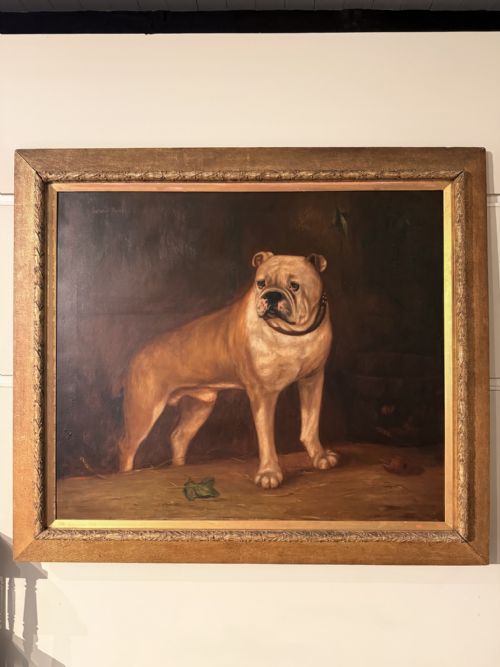
Why do some portraits depict animals alongside sitters?
Animals frequently appeared in portraiture to symbolise loyalty, status, or domestic affection. Breeds such as spaniels were popular companions among the gentry and added a narrative element to the composition.
Including a pet also helped humanise formal sitters, revealing personal aspects of their daily lives beyond their public or political roles.