
British Painting
British painting encompasses centuries of oils, watercolours and drawings capturing portraits, landscapes and rural life.
British Painting
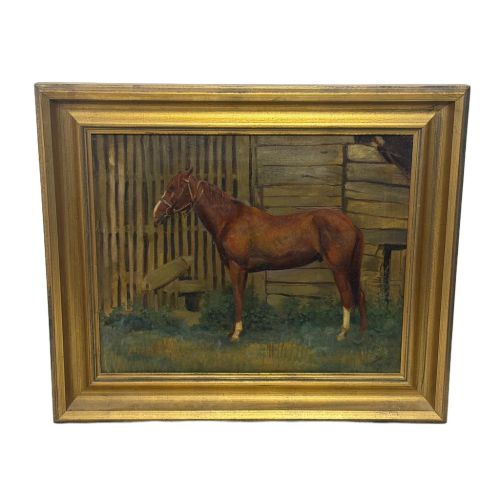
British painting encompasses oil and watercolour works spanning from the seventeenth century through to the mid-twentieth century. These works capture portraits, rural landscapes, marine scenes and equestrian subjects created across various historical periods.
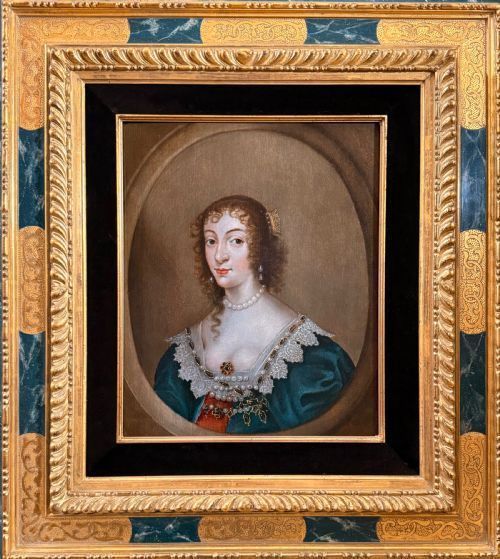
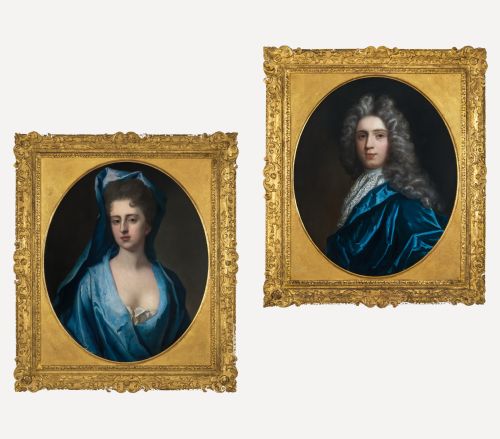
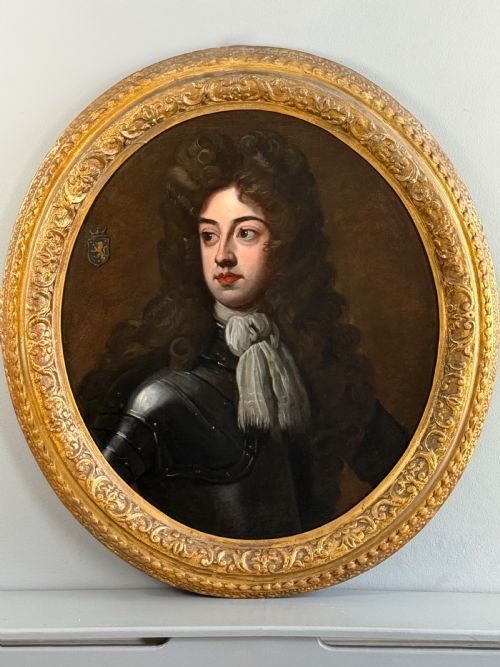
The selections available range from formal seventeenth-century panel portraits to Victorian landscapes and mid-century modern watercolours. Buyers encounter framed canvases, board paintings and paper works reflecting distinct regional and stylistic movements.
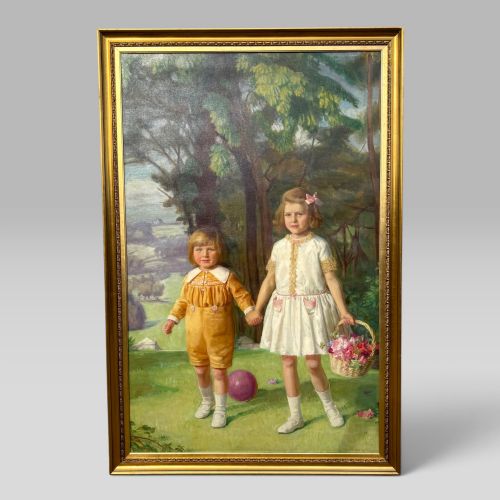
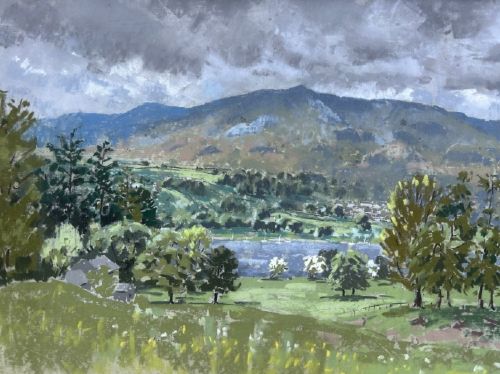
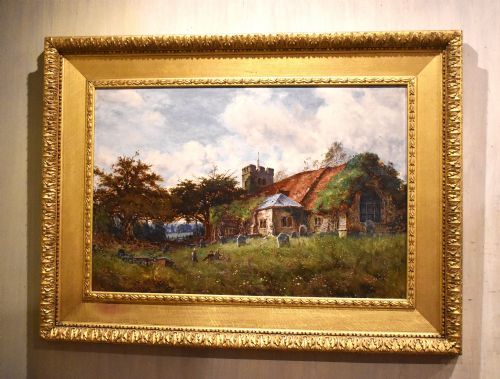
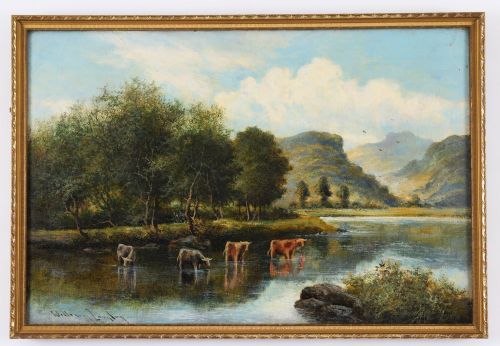
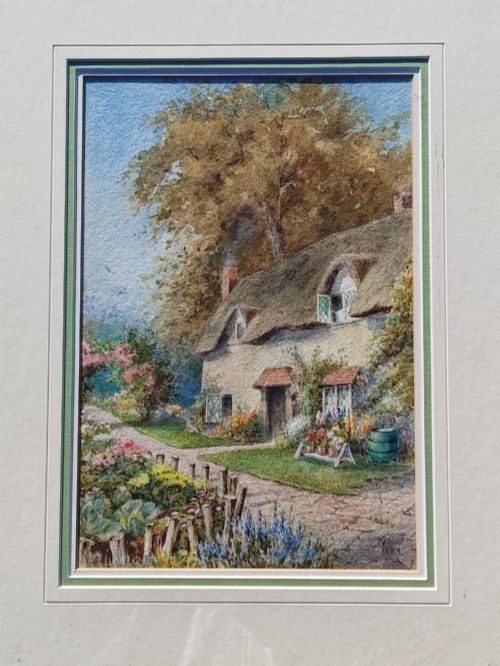
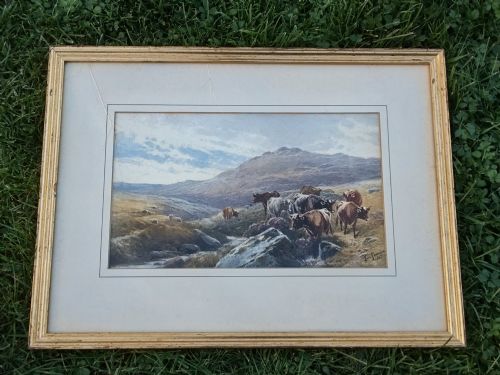
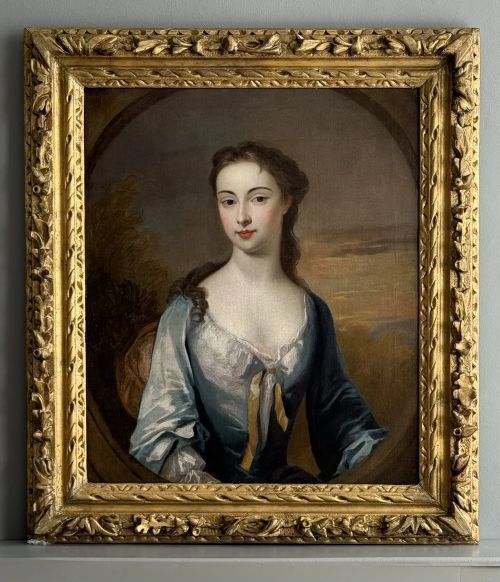
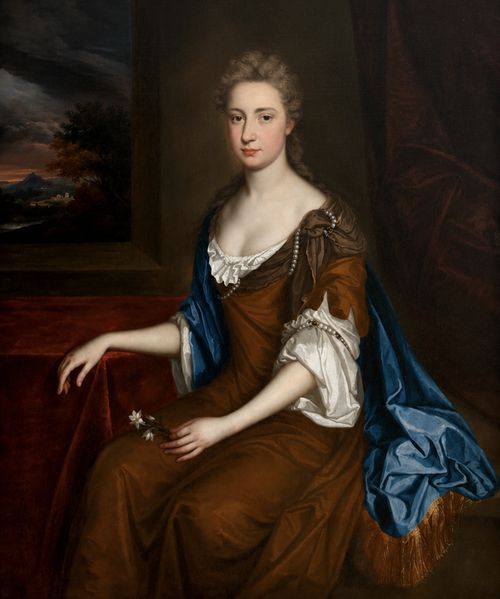
Portraiture and landscape dominate the selections, featuring works by named artists and regional schools. Pieces vary from grand aristocratic portraits to intimate depictions of cottages, lakes and coastal views.
How They Were Made
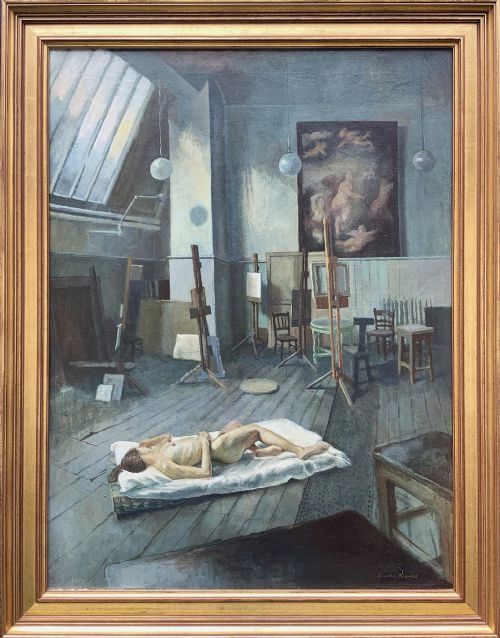
Artists painted primarily with oil on canvas or wood panel, applying pigments mixed with binders to build rich textures and deep tones. Watercolours on paper offered a lighter medium suited for detailed topography and atmospheric landscape studies.
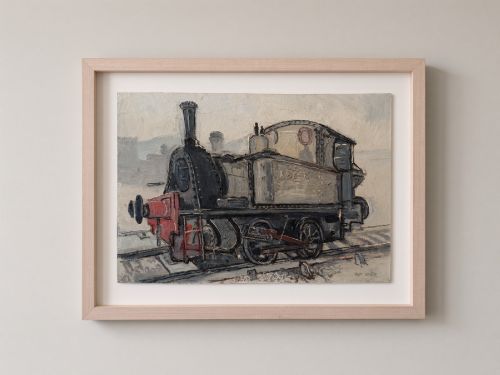
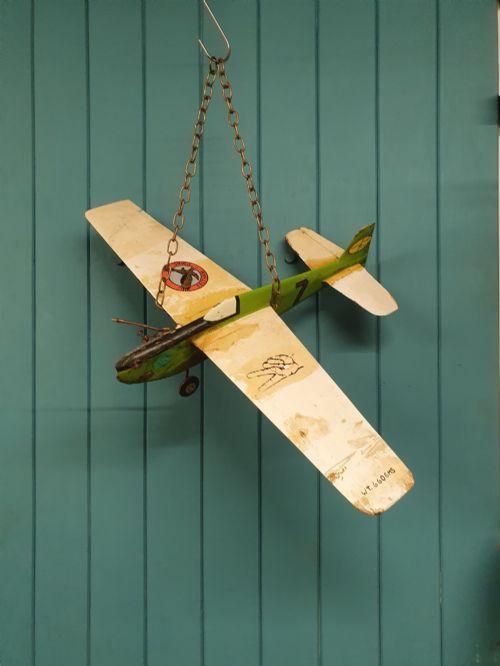
Among the stately portraits and serene lakes, a steam locomotive and a model aeroplane occasionally chug and fly across the canvas.
What Varies in Quality
Quality rests upon the execution of form, brushwork confidence and the psychological depth captured in portraits. Master hands demonstrate precise control over light, shadow and anatomical proportion compared to standard studio repetitions.
The preservation of the original surface, pigment stability and the integrity of the canvas or panel influence the enduring character of the work. Period framing that matches the era of the painting adds cohesion and historical completeness.
George F Bird·Deidre Daines·Angus Rands·James Elliot·Fred Yates·Lionel Ellis·William Langley·K Howitt·GM Avondale·Michael Dahl·Thomas Murray·Thomas Rowden·Sir Godfrey Kneller·Charles Jervas·Edward Holmes RBA·Henry Barraud·William Mellor·Hugh Barry Scott·William Manners·F Staple·Philip H Rideout·Donald McIntyre·Sir Thomas Lawrence·Thomas Beach·Sir Allan Ramsay
The British Painting Glossary
- Oil on Canvas
- A painting technique utilising pigments suspended in a drying oil applied to a stretched cloth support. This method allowed artists to achieve rich tonal gradations and durable surfaces.
- Watercolour
- A painting method where water-soluble pigments are applied to paper surfaces. It produces translucent washes and delicate effects favoured for landscape studies.
- Giltwood
- Wood carved and coated with gold leaf or gold paint. This material forms decorative frames designed to enclose and elevate paintings.
- Panel
- A flat wooden board utilised as a rigid support for oil paintings before canvas became widespread. Panels offer a stable ground for detailed early works.
- Baroque
- An artistic style prevalent in the seventeenth and early eighteenth centuries characterised by drama, rich colour and dynamic movement. It appears prominently in formal portraiture of the era.
British Painting: Frequently Asked Questions
How do I identify the period of a British painting?
Examine the clothing styles, hair fashions and portrait framing conventions, which often reflect the prevailing tastes of specific centuries. Material supports like wooden panels or specific canvas weaves also offer chronological clues.
Compare the handling of light and brushwork against documented examples from known eras like the Victorian or Georgian periods. Signatures, inscriptions and exhibition labels on the reverse provide further verification.
What is the difference between oil and watercolour paintings?
Oils use pigment mixed with drying oil on canvas or panel, allowing for thick impasto and deep, luminous colour layering. Watercolours employ water-soluble pigments on paper, creating translucent and immediate washes.
Oils traditionally served grand portraits and large landscapes intended for formal display rooms. Watercolours were frequently produced for travel records or intimate domestic settings.
How should I care for a antique oil painting?
Keep paintings away from direct sunlight, excessive heat sources and damp environments to prevent canvas degradation and pigment cracking. Maintain stable room temperatures to protect both the support and the frame.
Dust surfaces gently with a soft, dry brush without applying pressure or moisture. Avoid chemical cleaners and consult a professional conservator for cleaning or restoration work.
Where were most of these landscapes painted?
British landscape paintings frequently record distinct regional topography, including the Lake District, Cumbria, and various rural countryside settings. Artists travelled extensively to capture local cottages, rivers and coastal views.
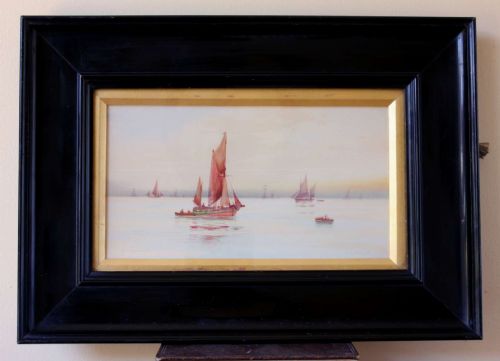
These depictions often reflect Romantic or Victorian ideals of the British countryside, combining topography with atmospheric weather conditions. Coastal marine scenes also document specific naval events and maritime locations.