


British Military Watercolour Painting
A british military watercolour painting records the uniforms, campaigns and portraits of service personnel across centuries on delicate paper.
British Military Watercolour Painting
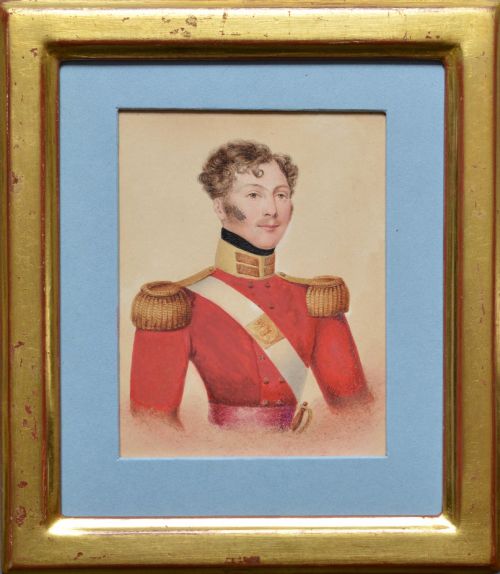
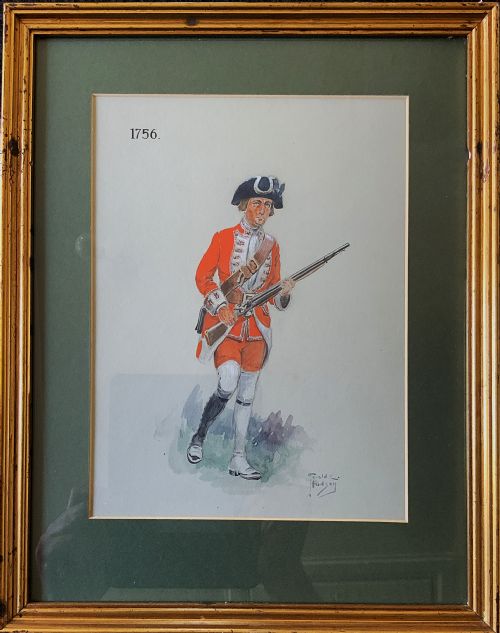
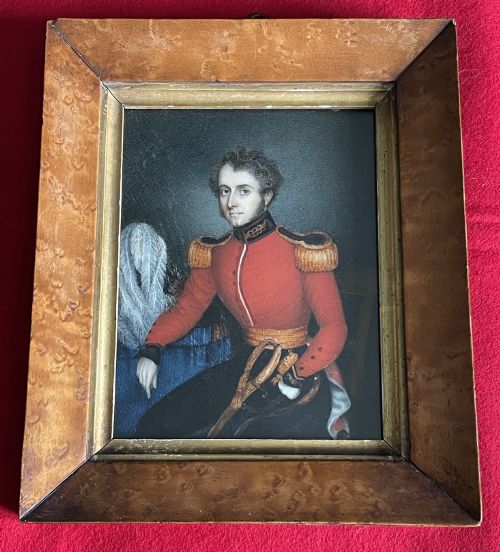
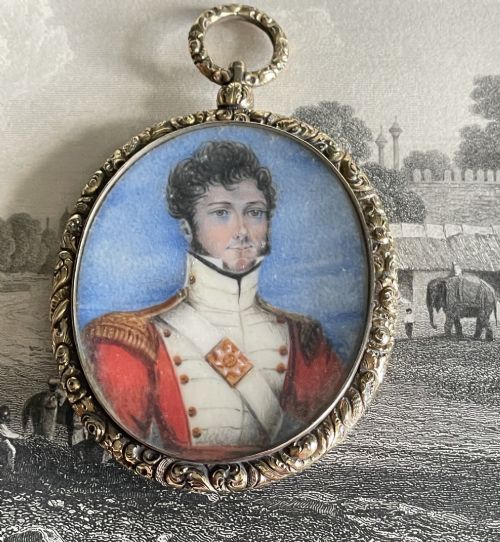
A british military watercolour painting captures the likenesses of officers, regiments and campaigns through delicate pigments on paper. Buyers encounter everything from intimate nineteenth century portrait miniatures to detailed portrayals of nineteenth century and early twentieth century soldiers.
The selection ranges from nineteenth century depictions of regimental officers to specific portrayals such as a young midshipman on a shore dated eighteen fifty. Many pieces concentrate on named figures like Captain Richard Hamilton or Field Marshal Sir Samuel Hulse.
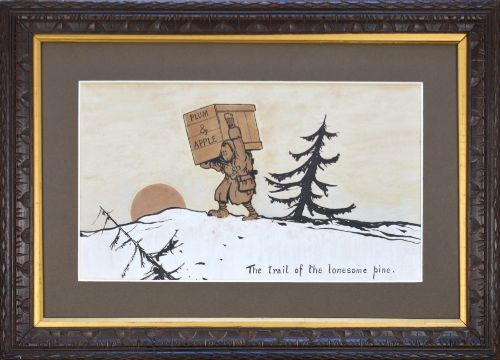
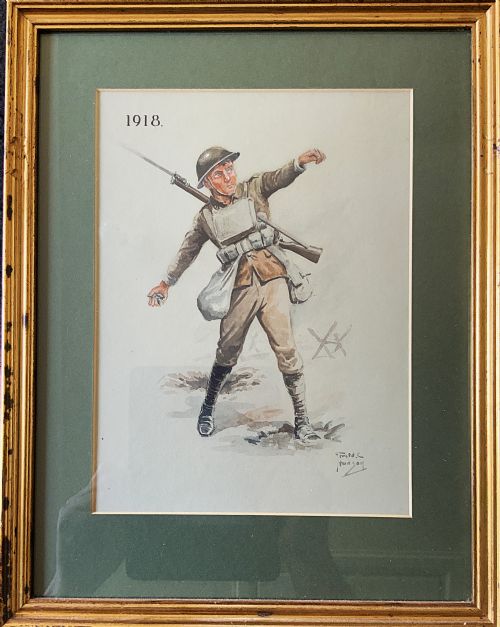
Earlier examples reach back to eighteenth century depictions on paper and agate panels, alongside first world war illustrations and garrison scenes. These works document the visual history of the armed forces through direct observation and contemporary illustration.
Materials and execution
Framing materials such as wood, giltwood and glass protect the delicate paper supports from environmental damage and handling. Some miniatures incorporate gold frames, safeguarding the painted surface while adding structural weight to smaller portable items.
The archive and active inventory span multiple eras, including eighteenth century pieces, nineteenth century military portraits and first world war illustrations.
Evaluating quality and condition
Quality rests upon the artist's ability to render uniform details, facial expression and regimental accuracy convincingly within a fluid medium. Finer works demonstrate confident brushwork and precise draughtsmanship, particularly in facial likenesses and military insignia.
The preservation of the paper support and the clarity of the watercolour pigments influence the overall integrity of the piece. Intact framing, whether original wood or giltwood, preserves the condition of the artwork over generations.
Bruce Bairnsfather·J Hardy·Thomas Mackay·Snaffles·Frank Dadd·Frederick Tayler·Sir William John Newton·Leslie Moore
The British Military Watercolour Painting Glossary
- Watercolour
- A paint consisting of a pigment suspended in a water-soluble vehicle, applied to paper surfaces. It allows for translucent washes and delicate layering.
- Portrait miniature
- A small-scale painting, often executed on paper, ivory or agate, capturing an individual likeness. These pieces frequently commemorate military officers and naval personnel.
- Wash
- A thin, transparent layer of diluted watercolour or ink applied across paper to create background tones or atmospheric depth. It provides subtle shading for uniforms and landscapes.
- Giltwood
- Wood carved and coated with gold leaf or a gold-coloured finish used in picture frames. It offers an ornate border that complements the artwork.
- Agate panel
- A polished slice of silicate stone used as a stable support for miniature paintings. The hard stone surface provides a smooth ground for detailed brushwork.
British Military Watercolour Painting: Frequently Asked Questions
What periods do these paintings cover?
The works span from the eighteenth century through the victorian era and into the first world war. They document changing military uniforms and artistic styles across these periods.
Specific dates such as seventeen sixty and eighteen fifty appear alongside broader periods like the edwardian era and the nineteen twenties.
How should I display these watercolours?
Watercolours require protection from direct sunlight to prevent the pigments from fading over time. Hang them in stable environmental conditions away from damp walls.
Glass and appropriate framing safeguard the delicate paper surface from atmospheric dust and physical contact.
Are these works signed by the artists?
Certain pieces bear signatures or attributions to named artists such as Frank Dadd, Bruce Bairnsfather or Thomas Mackay. Others are attributed to the british school or recorded as anonymous contemporary works.
Signatures, dates and inscriptions on the reverse or front help identify the creator and the regiment depicted.
What subjects do the paintings show?
The subjects include individual portraits of officers, cavalry studies, naval midshipmen and campaign illustrations. Named figures such as Captain Richard Hamilton and field marshals appear alongside unidentified soldiers.
Scenes range from formal portraiture to garrison life and wartime illustrations from the nineteen tens.