


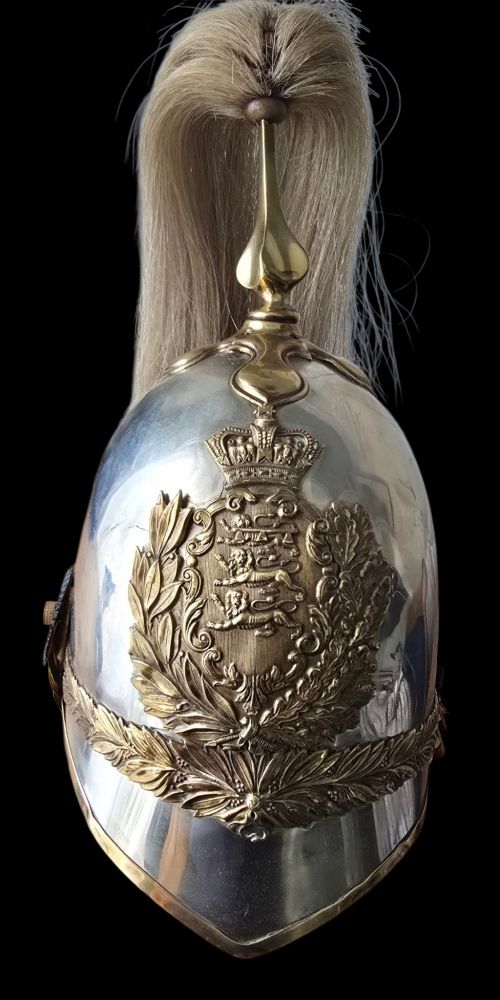


British Military Silver
British military silver brings tangible history to your desk through Presentation Trophies and walking sticks crafted for officers and regiments across the empire.
British Military Silver
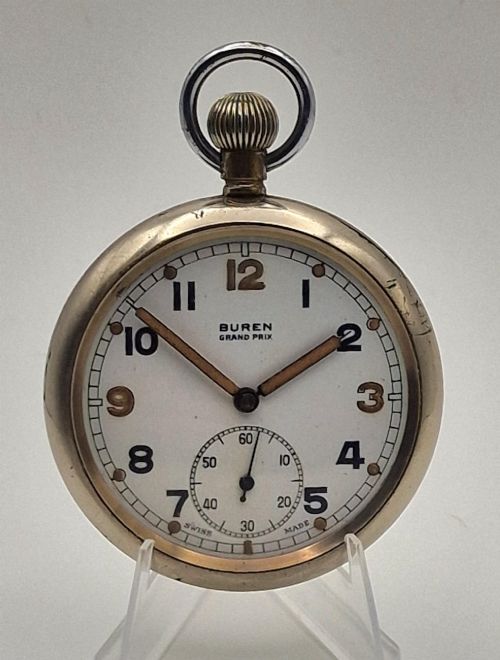
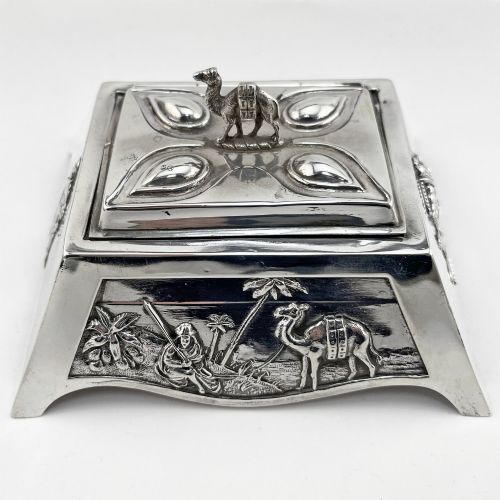
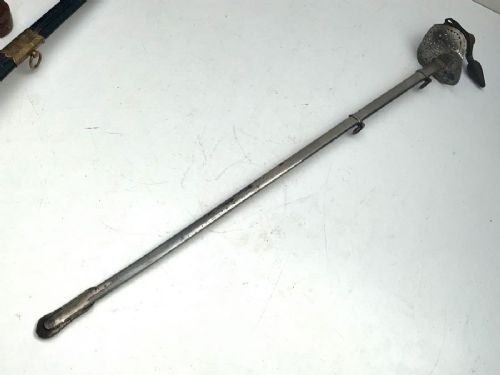
When you search for british military silver, you are looking at presentation items and regimental walking sticks dating from the Victorian era up to the mid-twentieth century. The selection typically includes silver-plated presentation trophies such as the Assam Valley Light Horse piece from 1940, alongside walking sticks featuring silver-plated mounts.
These artefacts capture the ceremonial and commemorative side of service life, distinct from standard brass or nickel issue gear. Pieces range from nineteenth-century items to mid-century examples originating from Britain and Anglo-Indian colonial contexts.
How they were made
Makers utilised solid silver or silver plate over base metals to produce presentation items and hardware that could withstand colonial climates. Walking sticks and presentation trophies often combined natural materials like wood and leather with metal mounts and engraved plaques.
Engraving and casting defined the decorative approach, allowing regiments to record dates, names, and honours onto trophies and walking stick collars with crisp detail.
British Military Silver Retail Price Guide 2026
Typical asking prices for british military silver among the pieces listed under this phrase on Sellingantiques today, from the lower quarter to the upper quarter. They describe what is for sale here now, not the wider market.
Listings for british military silver span the Victorian era, 1910, and 1940, encompassing both British and Anglo-Indian colonial pieces.
What varies in quality
The distinction between standard items and superior pieces rests on the depth and clarity of the original engraving and the preservation of the silver plating. Trophies bearing specific regimental history and named recipients carry greater historical weight than unmarked items.
Wear to the silver plating and the integrity of mounted components dictate the overall condition of presentation pieces and walking sticks from this span of periods.
The British Military Silver Glossary
- Silver plate
- A thin layer of silver applied to a base metal such as copper or brass. This technique allowed regiments and officers to commission impressive presentation pieces economically.
- Anglo-Indian Colonial
- Objects produced in India during British rule for military personnel or units stationed on the subcontinent. These often incorporate local craftsmanship with British presentation forms.
- Presentation Trophy
- A chalice, cup, or bowl awarded for military sports or marksmanship competitions. They usually feature engraved inscriptions detailing the regiment and the event.
- Victorian
- The period spanning the reign of Queen Victoria from 1837 to 1901. Items from this era often display elaborate ornamentation and detailed military engraving.
British Military Silver: Frequently Asked Questions
What is british military silver?
British military silver comprises presentation items, trophies, and mounted walking sticks associated with regiments and officers from the Victorian period through the mid-twentieth century.
These pieces reflect the social and commemorative traditions of armed forces serving both at home and across the British Empire.
How were presentation trophies used?
Regiments and officers used presentation trophies as prizes for military sports, marksmanship competitions, and farewell tributes. They occupied pride of place in officers' messes.
Over time, these objects accumulated inscriptions that documented the achievements and history of specific units.
How do I date a piece?
Dating relies on engraved inscriptions, regimental histories, and stylistic cues from periods such as the Victorian era or 1940. Hallmarks and maker marks, where present, provide exact chronological markers.
Comparing the form of a trophy or walking stick to dated examples in the record helps narrow down the decade of manufacture.
How do I care for silver plate?
Silver plate requires gentle cleaning with a soft cloth and specialist silver cleaner to avoid wearing through the thin metal layer to the base metal underneath. Store items in stable, dry environments away from direct sunlight.
Proper maintenance preserves the legibility of engraved regimental inscriptions and prevents tarnishing.