

British Mid Century Artwork
British mid century artwork captures post-war creative energy through oils, watercolours and prints spanning landscapes, portraits and townscapes.
British Mid Century Artwork
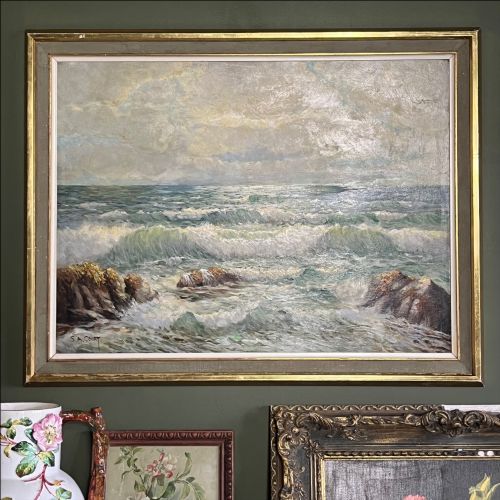
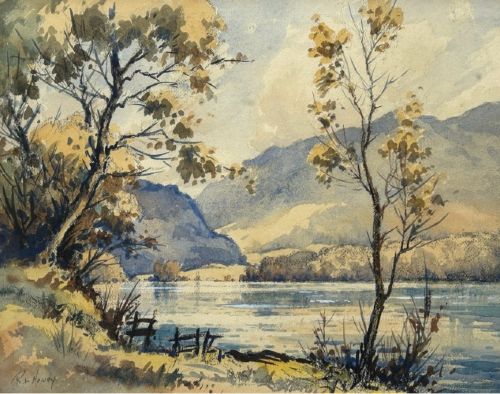
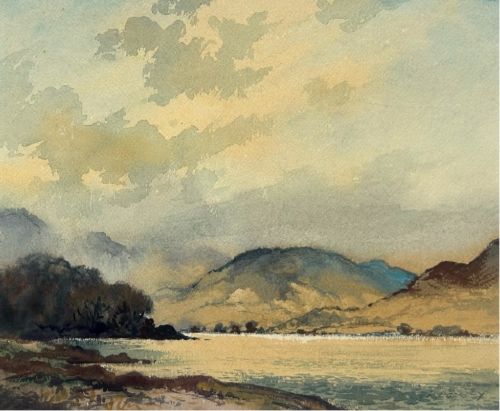
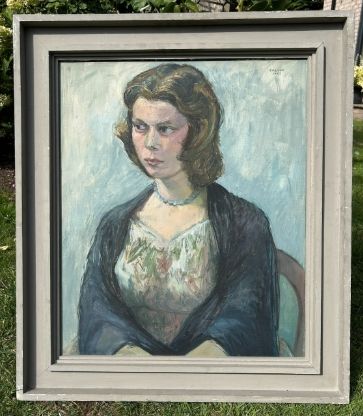
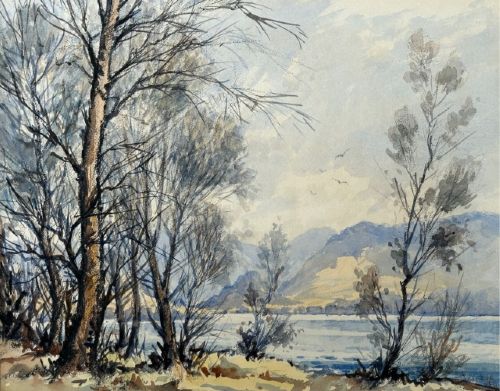
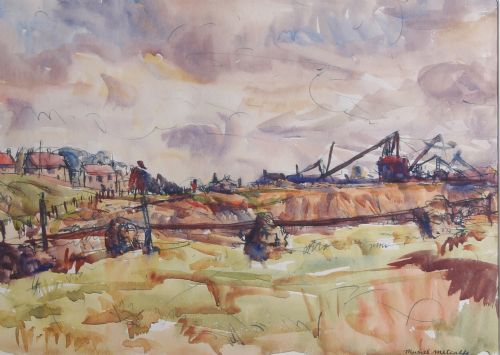
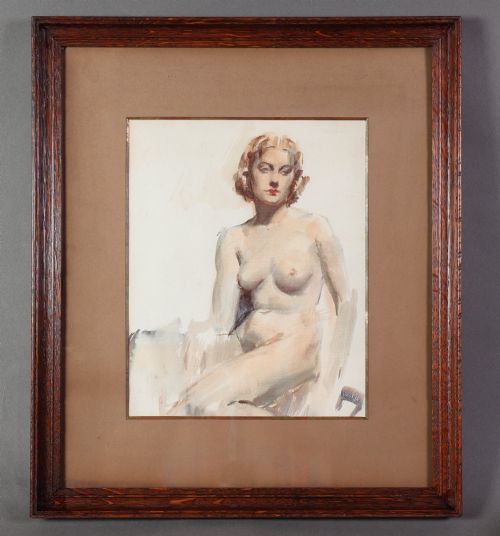
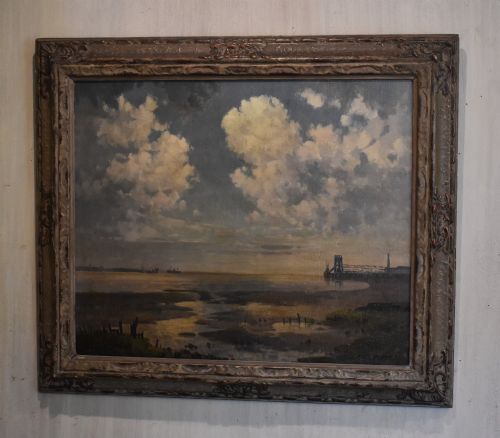
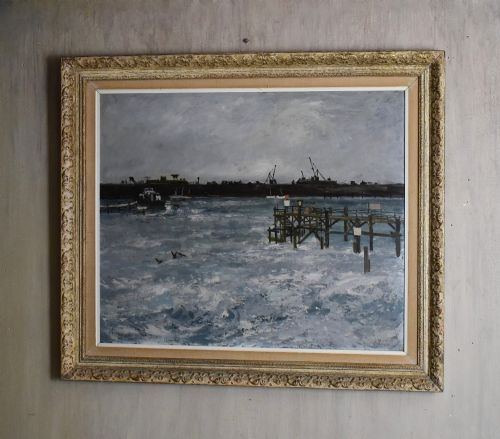
Buyers browsing british mid century artwork encounter paintings and works on paper dating predominantly from the middle decades of the twentieth century. These pieces record landscapes, maritime scenes, townscapes and figure studies created by regional and nationally recognised painters.
Most examples originate from British studios, schools and coastal colonies, reflecting how artists observed industrial towns, northern landscapes and rural views during periods of significant social change.
Materials and techniques
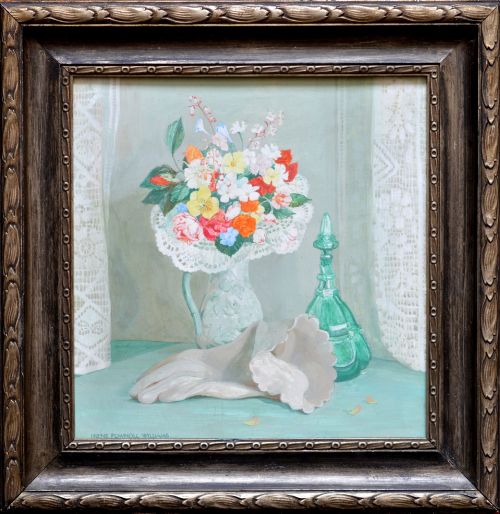
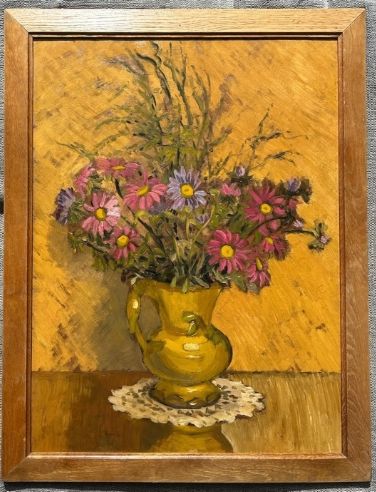
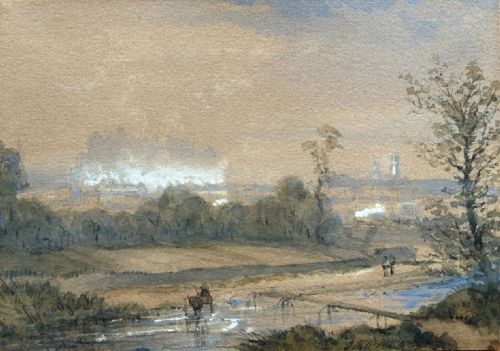
Artists relied primarily on oil paint applied to stretched canvas or rigid board, often working en plein air to capture transient light and coastal weather. Watercolour and gouache on paper served for more immediate landscape sketches and detailed topographical studies.
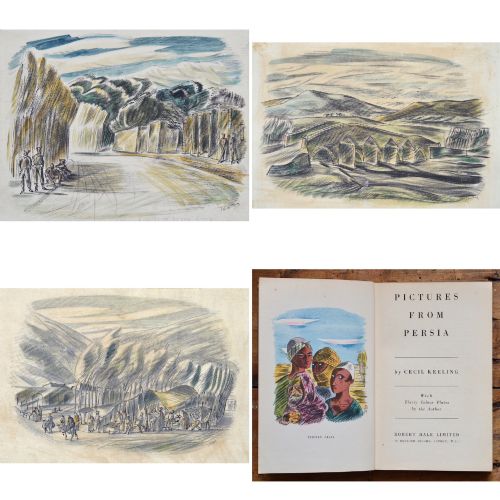
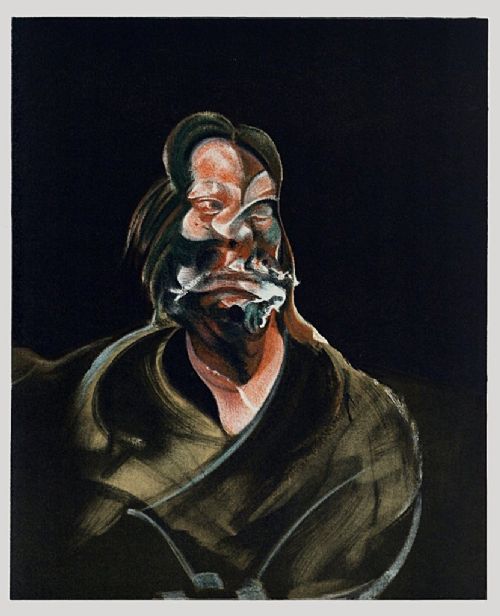
Substantial framing in wood or ebonised surrounds protects these painted surfaces, while lithography and fine art print techniques allowed figurative portraits and drawings to reach wider audiences.
The listings span from the nineteenth century through to the nineteen-sixties, using oil, watercolour, canvas, board and paper.
Distinctions in quality
Quality rests upon the sureness of the brushwork, the deliberate handling of pigment and the strength of the composition rather than the fame of the subject. A confident oil on board displaying expressive mark-making outranks a timidly rendered studio exercise.
Condition also separates examples, particularly the stability of the paint layer on canvas or board and the absence of heavy foxing on watercolours and paper works.
Kenneth Cozens·John R Prentice·Sidney A Court·Robert Leslie Howey·Muriel Metcalfe·Clive Browne·Peter Brannan·Frank Dobson·James Fry·James Stroudley·Eric Brown·Samuel Rabin·Winifred Rymer·Donald McIntyre·Sir Peter Markham Scott·Dion Pears·Charles James McCall·Ernest Payne·Stuart Walton·Philip Naviasky·Lilian Colbourn·Ronald Ossory Dunlop
The British Mid Century Artwork Glossary
- Oil paint
- Pigment suspended in a drying oil, usually linseed, offering rich colour depth and a tactile surface texture. It remains the dominant medium for durable canvas and board paintings.
- Watercolour
- Pigment suspended in a water-soluble vehicle, applied to paper to achieve translucent washes and delicate tonal shifts. It allows rapid execution for landscape studies.
- Board
- A rigid flat substrate used instead of canvas, often seen in mid-century oil paintings for its stability and immediate painting surface.
- En plein air
- The practice of painting outdoors directly from the subject to capture natural light and atmosphere. This technique defines many coastal and landscape works.
- Lithograph
- A print made from a flat stone or metal plate treated to retain ink where required. It enables accurate reproduction of original drawings and portraits.
British Mid Century Artwork: Frequently Asked Questions
What defines British mid century artwork?
These pieces encompass paintings and works on paper produced during the middle decades of the twentieth century by British artists. They reflect modernist and impressionist approaches to landscapes, portraits and townscapes.
The selection highlights how painters responded to post-war society using oil, canvas, board and watercolour.
How should I hang these paintings?
Display oil paintings and watercolours away from direct sunlight and damp environments to protect the canvas and paper supports. Ensure sturdy wall fixings support the weight of wooden frames.
Pairing complementary framing styles helps integrate diverse twentieth-century subjects into modern interiors.
Are these works original paintings?
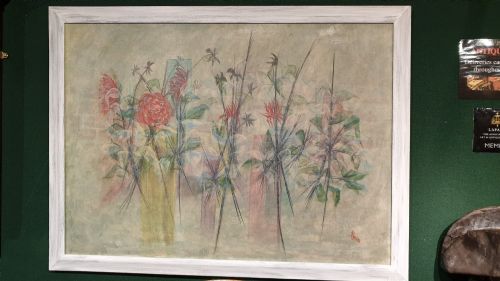
The inventory includes original oil paintings, watercolour studies and pastel sketches created by hand. Each piece records the direct touch and technique of the individual artist.
Print formats such as lithographs are clearly identified to distinguish them from unique painted works.
How do I identify the period?
Dating relies on stylistic markers, framing materials, artist signatures and biographical records of the painters. Mid-century works often favour simplified forms and robust application of paint.
Examine the reverse of boards or canvases for old gallery labels, inscriptions and dates left by the creator.