

British Landscape Art Picture
British landscape art picture options span from the nineteenth century into the mid-twentieth century, offering regional views in oil and watercolour.
British Landscape Art Picture
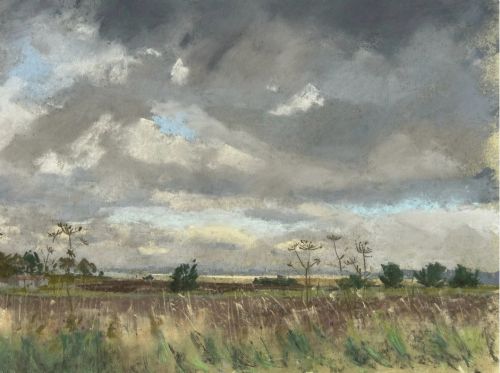
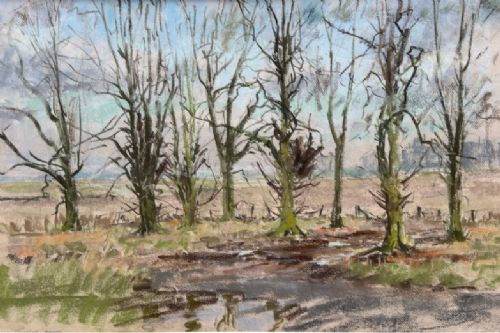
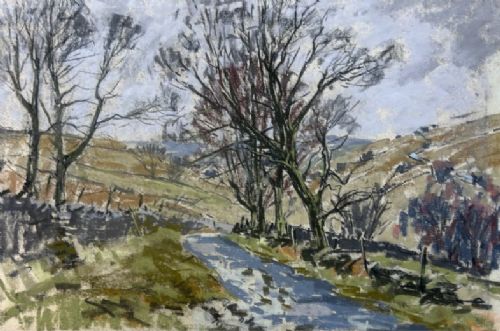
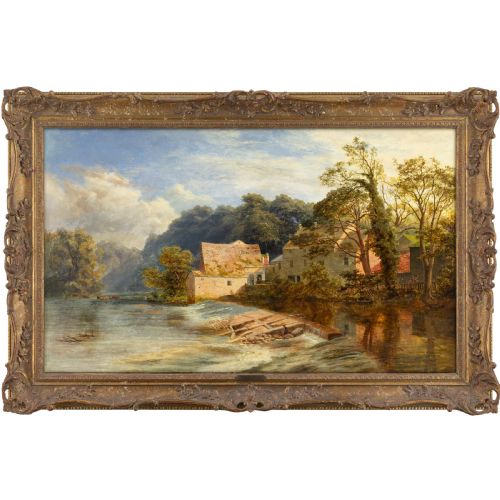
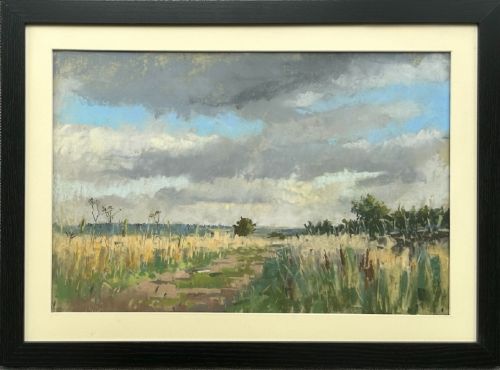
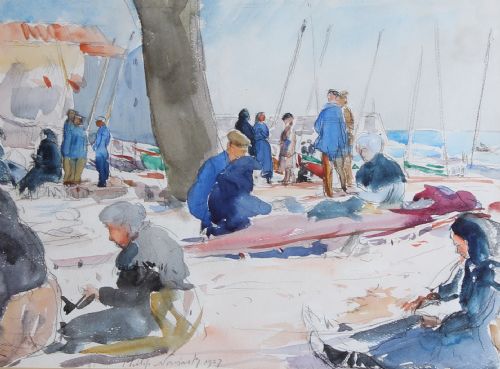
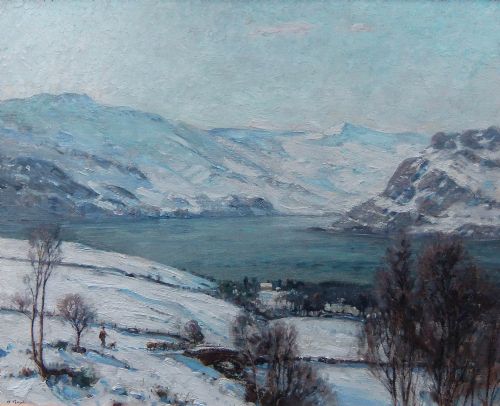
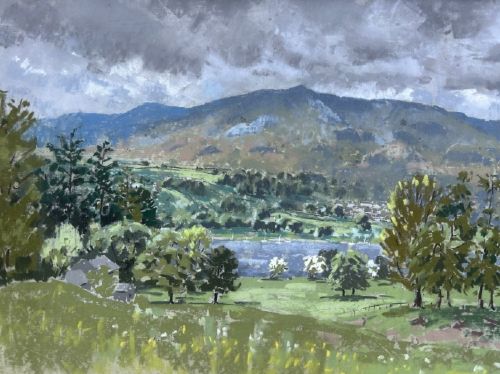
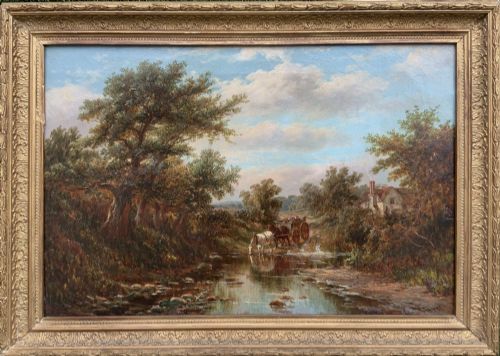
A british landscape art picture records rural scenery, river valleys, and coastal marine views across England, Scotland, and Wales. Buyers search for these works to bring historic topography and pastoral scenes into domestic spaces.
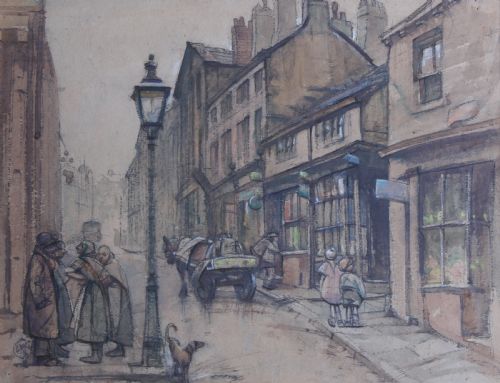
The selection ranges from Victorian realism and Edwardian watercolours to mid-century pastels and oil paintings on canvas or board. Works by named nineteenth and twentieth-century painters sit alongside pieces from the broader British school.
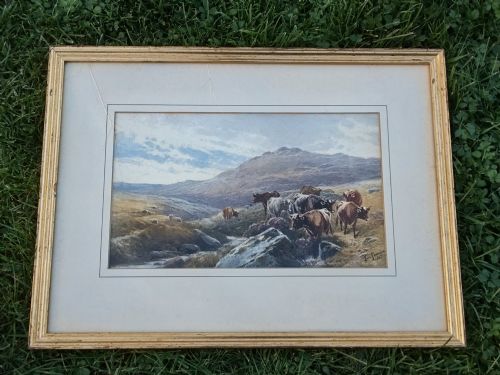
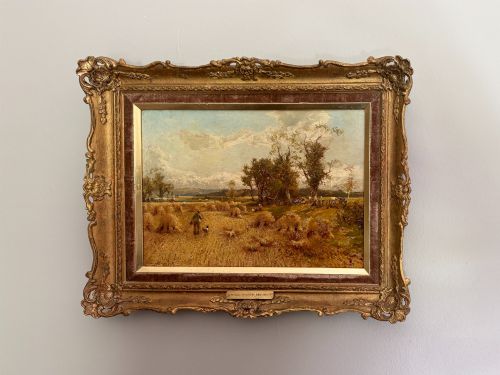
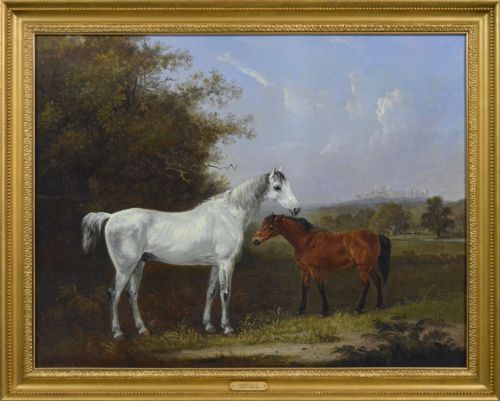
Regional depictions feature specific locations such as the Lake District, Yorkshire dales, and the Thames Valley. Rural subjects often incorporate figures, livestock, or agricultural work alongside natural topography.
Materials and Technique
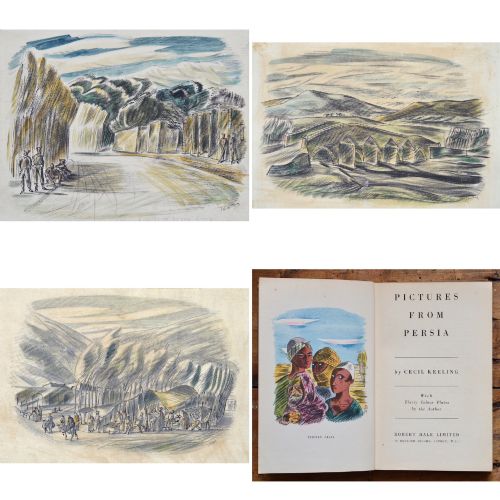
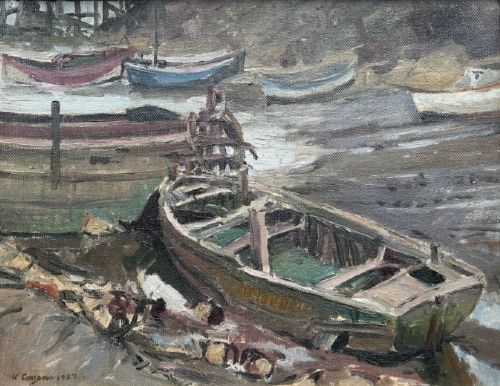
Artists painted in oil on canvas or wooden panel, and worked in watercolour or pastel on paper. These mediums capture light and atmospheric weather conditions across diverse British terrain.
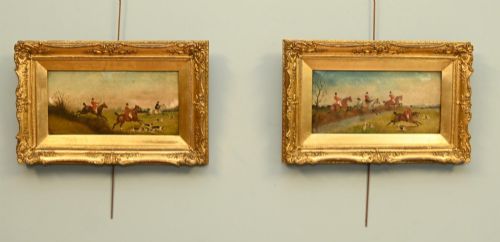
Many surviving pieces retain their original giltwood and gesso frames, which complement the scale and period of the artwork.
British Landscape Art Picture Retail Price Guide 2026
Typical asking prices for british landscape art picture among the pieces listed under this phrase on Sellingantiques today, from the lower quarter to the upper quarter. They describe what is for sale here now, not the wider market.
Common regional subjects include the Lake District, Yorkshire dales, and the Thames Valley.
Factors of Quality
Quality rests on the confidence of the brushwork, the handling of light and perspective, and the preservation of the pigment. Stronger examples display accomplished draftsmanship and a distinct regional atmosphere.
The condition of the paper or canvas surface, together with the integrity of the period frame, influences the overall integrity of the piece.
Angus Rands·Philip Naviasky·Herbert Royle·Thomas Rowden·William Manners·David Bates·Walter Heath Williams·Francis Moltino
The British Landscape Art Picture Glossary
- Watercolour
- A painting method where fine pigment is suspended in water-based solution on paper. This medium produces translucent washes and delicate tonal gradations.
- Giltwood
- Wood carved and covered with a thin layer of gold leaf or gold paint. Frames in this material frequently accompany nineteenth-century oil paintings.
- Gesso
- A plaster-like mixture applied to wood or canvas as a base for painting or gilding. It provides a smooth surface for ornate frame mouldings.
- Impressionism
- An art style focusing on light and its changing qualities rather than minute detail. British practitioners adapted these techniques to domestic scenery.
British Landscape Art Picture: Frequently Asked Questions
How do I date a landscape painting?
Dating relies on stylistic clues, artist signatures, framing materials, and recorded exhibition dates. Costume details on figures within the scene also provide a clear chronological marker.
Paper watercolours and oil panels often carry inscriptions, dates, or labels on the reverse that confirm their period of origin.
Where should I hang a watercolour?
Watercolours require placement away from direct sunlight to prevent the fading of delicate pigments on paper. A stable interior wall avoids humidity fluctuations.
Glass fronts protect the paper surface, so hanging them in well-ventilated rooms prevents moisture accumulation behind the glazing.
What is the difference between oil and watercolour?
Oil paint utilises pigment suspended in drying oil applied to canvas, panel, or board, allowing for rich textures and deep colour layering. Watercolour employs water-soluble pigment on paper for translucent effects.
Oils generally tolerate more varied environmental conditions than works executed on paper.
How do I care for a giltwood frame?
Giltwood frames require gentle dusting with a soft, dry brush to remove particles without disturbing the fragile gold leaf surface. Moisture and chemical cleaners damage the gesso and gilding.
Handling should occur by the frame structure rather than decorative protruding mouldings to prevent accidental breakage.