






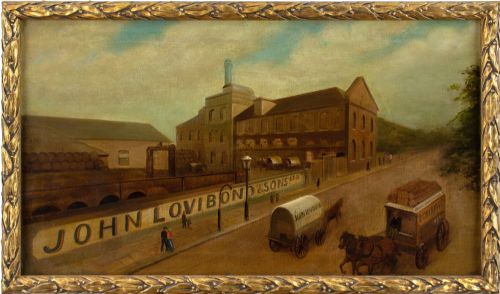


British Landscape Architectural Drawing
British landscape architectural drawing captures historic settings through skilled handwork on paper, offering an immediate connection to past design and topography.
British Landscape Architectural Drawing
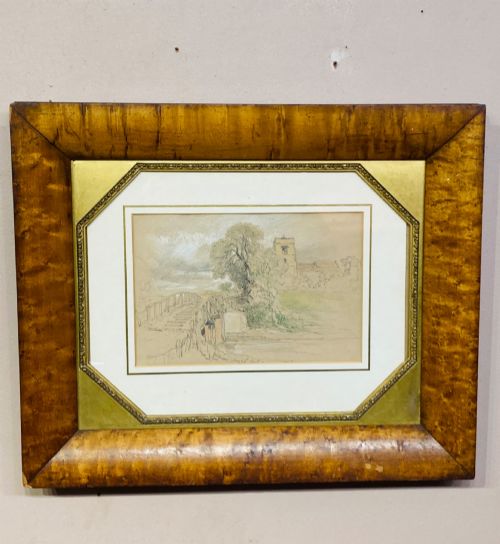
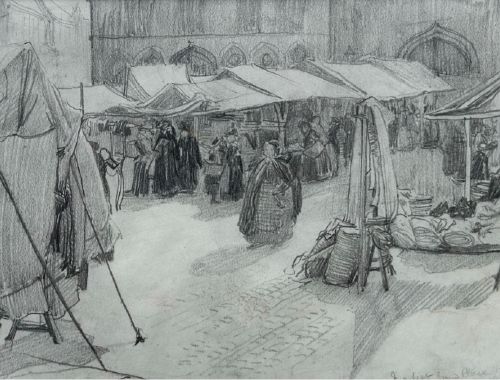
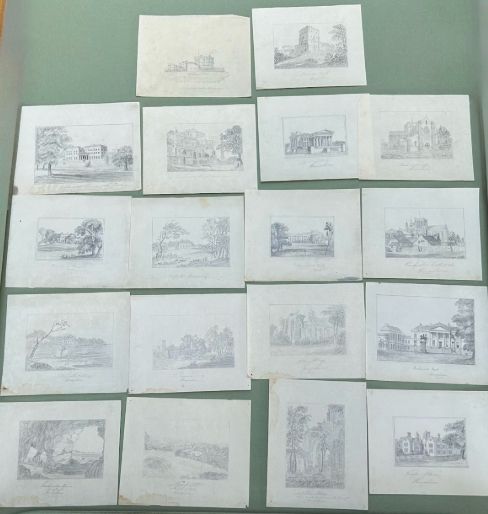
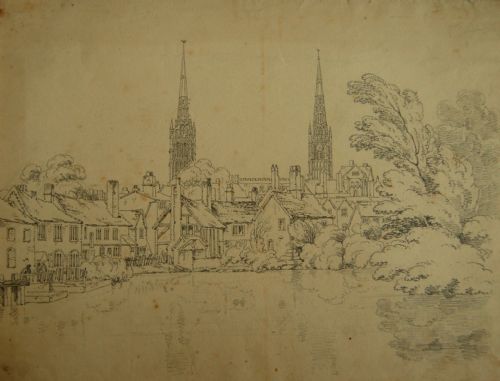
A british landscape architectural drawing documents historic buildings, bridges, and townscapes through original pencil, ink, charcoal, and watercolour works on paper. These pieces span from the Georgian period through the Edwardian era and into the mid-twentieth century.
Most examples meet the collector through original sketches and watercolours mounted in wood and glass frames, preserving the delicate medium of paper. Each piece presents a unique view of historic architecture, market crosses, and landscape studies.
What varies in quality
The fidelity of architectural detail and the confidence of the draughtsman's line separate accomplished works from ordinary sketches. Strong composition and a clear sense of atmosphere elevate a landscape study above a mere topographical record.
The preservation of the paper support and the vibrancy of the original pigments directly influence the visual impact of the piece. Works that retain their original tones without heavy fading demonstrate superior material endurance.
British Landscape Architectural Drawing Retail Price Guide 2026
Typical asking prices for british landscape architectural drawing among the pieces listed under this phrase on Sellingantiques today, from the lower quarter to the upper quarter. They describe what is for sale here now, not the wider market.
Several drawings preserve forgotten street corners and bustling market crosses exactly as artists witnessed them over a century ago.
Henry Percy Huggill·Charles James Lauder·Stanley Orchart·Fred Lawson·Henry Edridge·John Thirttle
The British Landscape Architectural Drawing Glossary
- Watercolour
- A painting method in which the paints are made of pigments suspended in a water-based solution. This technique provides transparent washes that define light and shade on architectural facades.
- Charcoal
- A dry drawing medium made from finely ground organic materials held together by a gum or wax binder. It allows artists to achieve deep dark tones and rapid expressive sketches of bridges and townscapes.
- Georgian
- The period of British history spanning from 1714 to 1830, encompassing the reigns of the first four Georges. Pieces from this era often display classical restraint and balanced composition.
- Edwardian
- Pertaining to the reign of King Edward VII from 1901 to 1910, though the style extends slightly either side. Works from this time frequently exhibit a lighter palette and atmospheric tonalism.
British Landscape Architectural Drawing: Frequently Asked Questions
What is a british landscape architectural drawing?
These works are original hand-drawn or painted records of buildings, bridges, and historic townscapes created on paper.
Artists used media such as pencil, ink, and watercolour to capture the topography and architectural character of specific locations.
How should I frame these drawings?
Original works on paper require conservation mounting under glass to protect the delicate medium from moisture and ultraviolet light.
Wood frames that complement the period of the artwork help preserve the piece while maintaining its historical context.
How can I tell the period of a drawing?
Stylistic clues, costume details in figures, and the nature of the architectural subjects often indicate the era in which the work was produced.
Georgian pieces display different compositional rules compared to Edwardian tonalism or mid-century modern examples.
Where were these architectural scenes typically recorded?
Artists travelled across Britain to document market crosses, mills, cathedrals, and bridges in regions from Hampshire to Lincolnshire.
Many drawings serve as direct topographical studies of specific towns, cities, and rural landscapes.