

British Impressionist Landscape Oil
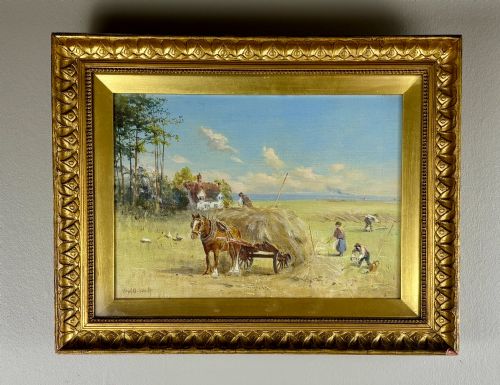
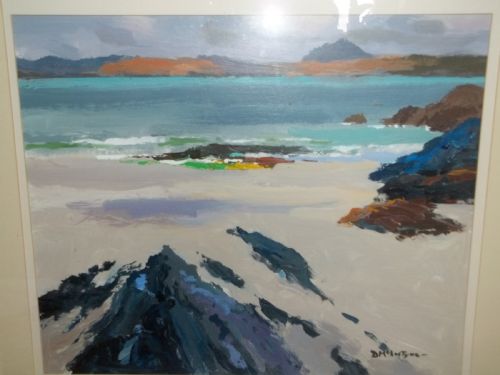
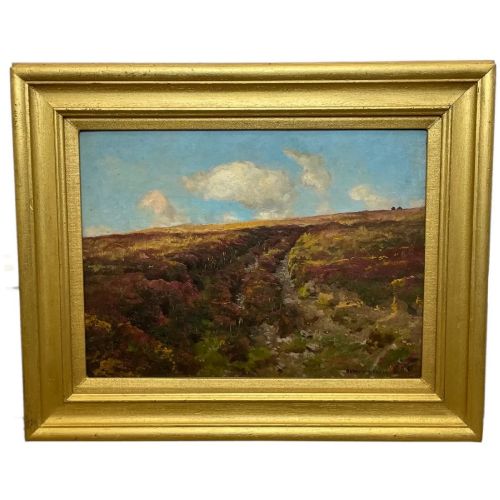
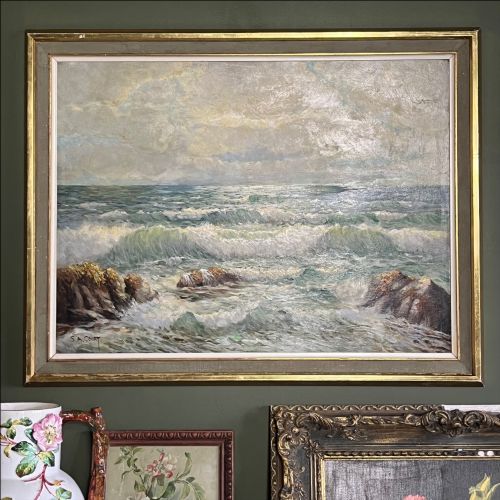
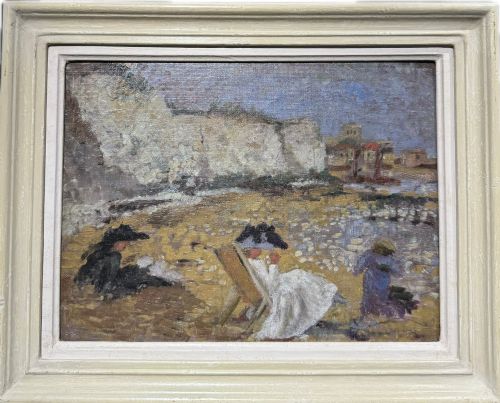
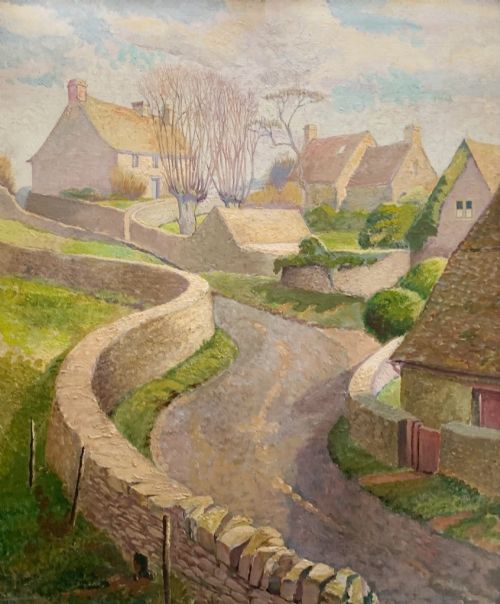
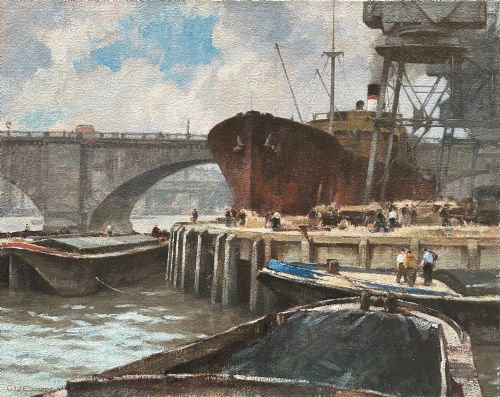
A british impressionist landscape oil captures light and atmosphere across rural and coastal scenes using visible, energetic brushwork.
British Impressionist Landscape Oil
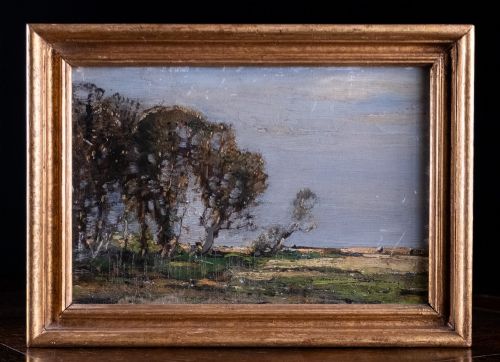
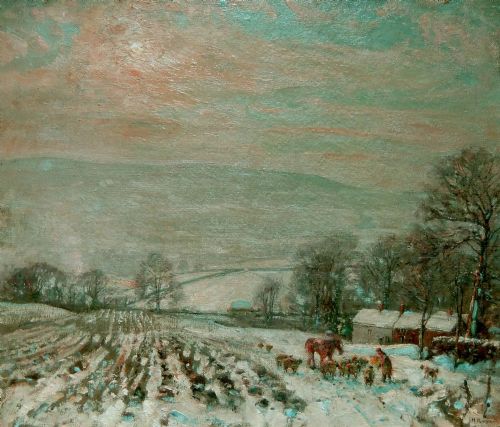
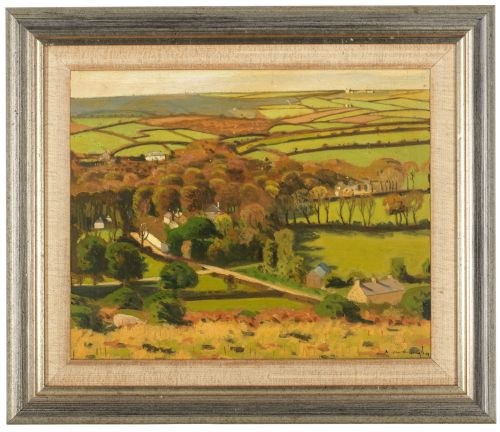
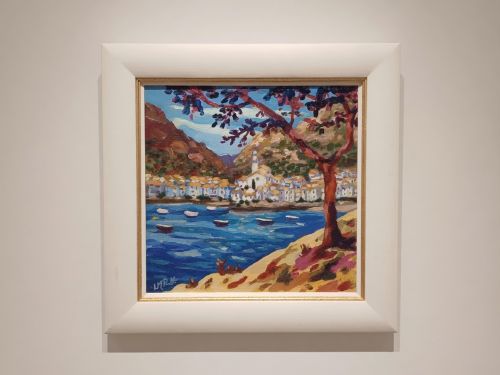
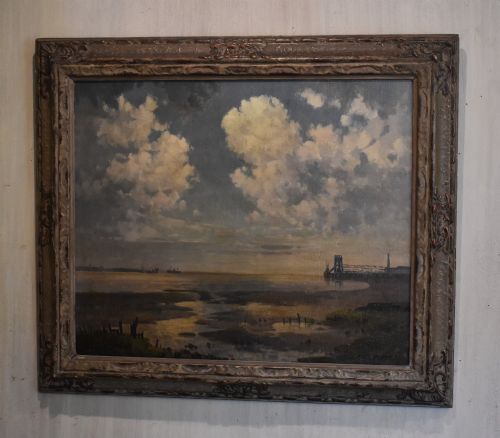
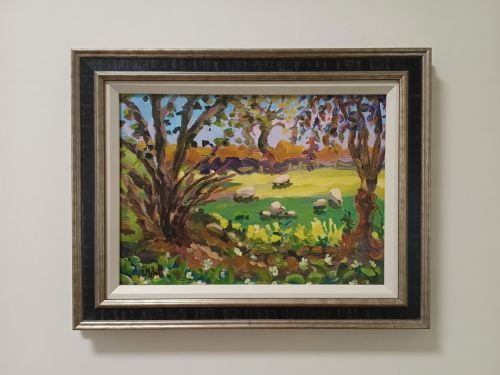
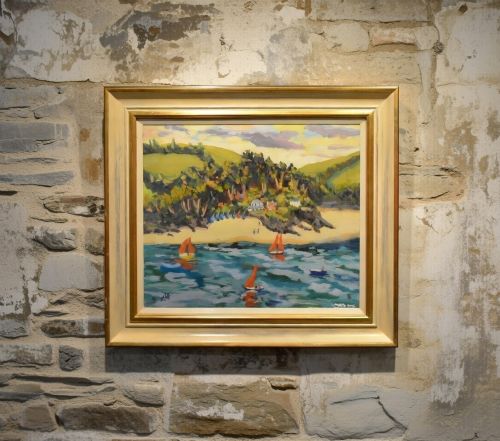
A british impressionist landscape oil brings together works created from the nineteenth century through the mid-twentieth century and beyond, reflecting shifts in how artists recorded light and scenery. The examples found here encompass countryside views, coastal inlets, marine settings, and pastoral subjects painted across various regions of Britain.
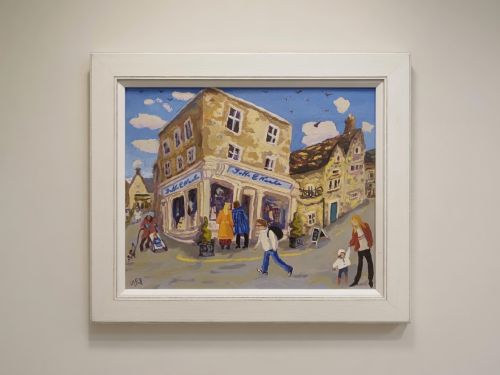
Most pieces date from the early decades of the twentieth century, aligning with the development of modern British painting and plein air practice. Canvases and wood panels showcase subjects ranging from Cornish harbours and Yorkshire dales to London scenes and Welsh valleys.
The visual vocabulary relies on broken colour and spirited application rather than rigid academic finish. Works range from intimate panel sketches to substantial framed canvases, each recording the topography and atmospheric conditions observed by the painter.
Materials and technique
Artists utilised oil paint on supports including stretched canvas, prepared wood panel, and board, often working directly out of doors to capture transient effects of weather and illumination. The pigment was laid down with brushes or palette knives, resulting in textured surfaces where individual strokes remain visible.
Many compositions were framed in period gilt wood mouldings that complement the painterly surface and provide structural support. The combination of oil medium and stable wood or canvas substrates accounts for the survival of these works across more than a century.
Several canvases record local ponies standing patiently in Cornish harbours and stableyards.
Assessing quality
Quality rests upon the confidence of the brushwork and the artist's command of tonal harmony and atmospheric depth. The most successful works demonstrate a decisive handling of pigment where every stroke contributes to the sense of light and space.
Compositional ambition and the preservation of the original surface condition also distinguish individual pieces. Works that retain their unlined canvases and original period frames offer a more complete historic record of the painter's intent.
George Graham·Clifford Hanney·Arthur Wardle·Sidney A Court·Kershaw Schofield·Herbert Royle·Robert Morson Hughes·Lucy Pratt·Clive Browne·Ethel Sands·Cyril Walduck Edwards·Alfred Wolmark·Eric Brown·Ernest Higgins Rigg·John Hodgson Lobley·Sir Alfred East·Donald McIntyre·Cecil Allan Mould·Maud Raphael Jones·Thomas Hodgson Liddell·Florence Adelina Hess·Ronald Ossory Dunlop·John Holland·John Horace Hooper·Hubert Wellington
The British Impressionist Landscape Oil Glossary
- Plein air
- Painting outdoors directly in front of the subject to capture natural light and atmospheric conditions. This method encouraged rapid execution and looser brushwork.
- Impasto
- Paint applied thickly to a canvas or panel so that it stands proud of the surface. This technique preserves the physical gesture of the brush or palette knife.
- Gilt frame
- A wooden picture frame coated with gold leaf or metallic paint. These frames enhance the visual warmth of oil paintings.
- Panel
- A flat support made of wood used as an alternative to stretched canvas. Panels provide a rigid surface favoured for smaller outdoor sketches.
British Impressionist Landscape Oil: Frequently Asked Questions
What defines a british impressionist landscape oil?
These works are characterised by a focus on natural light, atmospheric effects, and visible brushwork applied to rural or coastal scenes.
Painters moved away from strict academic detail in favour of recording transient moments of weather and illumination across British landscapes.
How were these paintings created?
Artists used oil paint on canvas, wood panels, or board, frequently working outdoors to observe the subject directly.
Pigments were applied with brushes or palette knives, creating textured surfaces that captured immediate visual impressions.
How should I care for an oil painting?
Keep paintings away from direct sunlight, high humidity, and rapid temperature changes to protect the canvas and wooden support.
Dust the surface gently with a soft, dry brush and avoid using liquid cleaners on the paint or frame.
Where were these landscape scenes painted?
Locations range from Cornish coastal harbours and Welsh valleys to Yorkshire dales, London streets, and West Country pastures.
Artists travelled across Britain to record specific regional topography and varied rural working environments.