





British Expressionist Painting
British expressionist painting brings raw emotional force to canvas, using bold pigments and dynamic brushwork to capture the shifting moods of twentieth-century life.
British Expressionist Painting
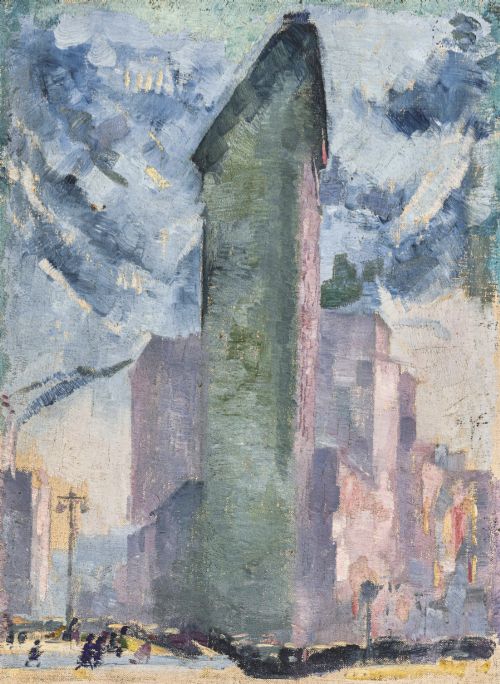
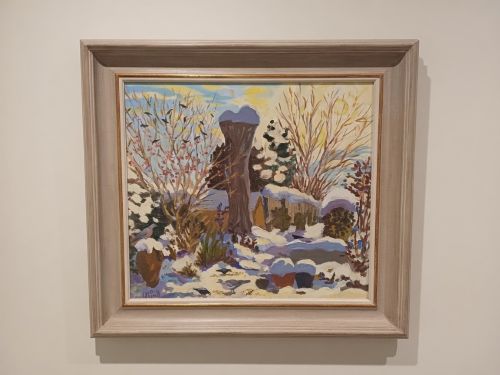
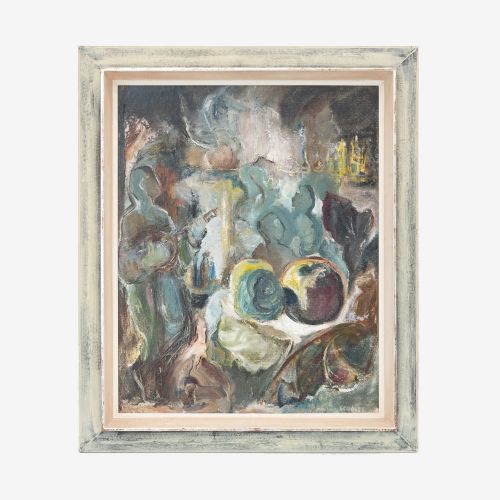
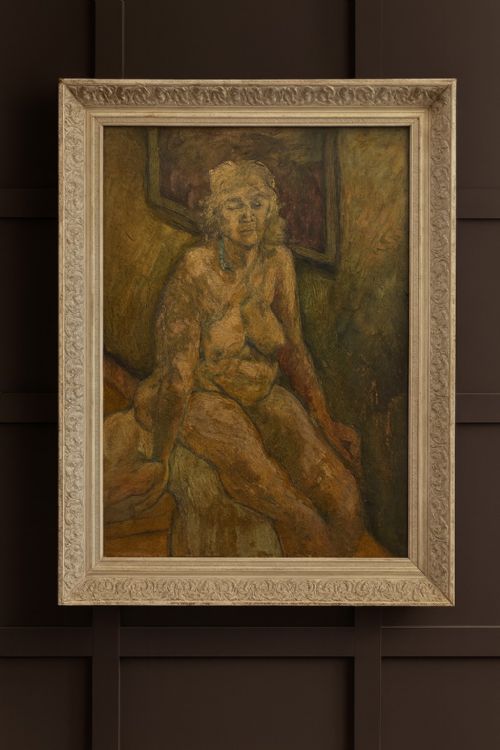
A British expressionist painting captures urgent psychological landscapes through vigorous application of pigment and non-naturalistic colour choices. The works gathered here span decades of intense creative output, predominantly rooted in mid-century developments across Britain.
Buyers will most frequently encounter mid-century examples executed in oil or watercolour on canvas, board or paper. These compositions range from Cornish coastal scenes to stark figurative studies and expressive abstracts.
The aesthetic bridges the gap between traditional subject matter and raw modernist experimentation. Artists working in this mode prioritized emotional resonance over strict topographical accuracy.
Materials and methods
The works rely heavily on oil paint applied to canvas, board or wooden supports, often building thick impasto layers that lend physical depth to the surface. Watercolour on paper provides a more translucent yet equally urgent alternative for landscape and figurative pieces.
Substrates vary from traditional stretched canvas to stiff board and heavy paper, reflecting the accessible materials available to mid-century artists. Framing often consists of simple wooden surrounds that complement the unpretentious nature of the works.
British Expressionist Painting Retail Price Guide 2026
Typical asking prices for british expressionist painting among the pieces listed under this phrase on Sellingantiques today, from the lower quarter to the upper quarter. They describe what is for sale here now, not the wider market.
Listings feature works spanning from 1910 through the 1960s, executed in oil, watercolour, canvas, wood and paper.
Assessing quality and impact
The strength of a piece rests in the confidence of its mark-making and the coherence of its palette. Stronger works demonstrate a decisive handling of oil or watercolour where every stroke serves the emotional weight of the composition.
Pace and conviction separate compelling examples from hesitant efforts. The most successful paintings maintain a tension between the raw physical material and the subject portrayed.
Alfred Wolmark·Lilian Colbourn·Joan Gillchrest·Tony Giles·Dame Elisabeth Frink·Adrian Heath·Donald Mcintyre·Sir William George Gillies·Sonia Lawson·William McCance·Bernard Meninsky·William Ernst Burwell
The British Expressionist Painting Glossary
- Impasto
- Paint applied thickly to a canvas or board, standing out in relief from the plane. This technique gives tactile presence to the painted surface and catches the light.
- Mid-Century Modern
- Design and fine art movements spanning roughly the middle decades of the twentieth century. It emphasises simplified forms and a departure from academic realism.
- Post-Impressionism
- A French art movement that heavily influenced British painters to explore expressive colour and structure rather than mere visual impression. It laid the groundwork for twentieth-century expressionism.
- Abstract
- Art that does not attempt to represent an accurate depiction of visual reality. Instead, it uses shapes, colours, forms and marks to achieve its effect.
British Expressionist Painting: Frequently Asked Questions
What defines british expressionist painting?
These works focus on emotional intensity, heavy brushwork, and expressive colour rather than precise realism. They capture the psychological and physical essence of landscapes and figures.
Created primarily across the middle decades of the twentieth century, they reflect a period of profound artistic experimentation in Britain.
How do I display these paintings?
These pieces suit neutral walls where their bold brushwork and dynamic palettes can command attention without visual competition. Simple wooden frames often complement their mid-century aesthetic.
Ensure they are kept out of direct sunlight to protect vulnerable pigments on canvas, board and paper.
How do I tell different periods apart?
Early twentieth-century pieces often lean toward post-impressionist or early modernist tendencies. Mid-century works typically display heavier impasto and more abstract or expressionist tendencies.
Examining the support materials, signatures and stylistic context helps anchor a piece within its specific decade.
What surfaces were commonly used?
Artists painted on stretched canvas, wooden boards, and thick paper depending on the medium and period. Oil paint and watercolour are the predominant mediums found across these works.
Some compositions even feature oil paint applied to canvas laid onto board for added stability.