

British Country Scene Painting
British country scene painting captures the quiet rhythm of rural life through works spanning the nineteenth and twentieth centuries.
British Country Scene Painting
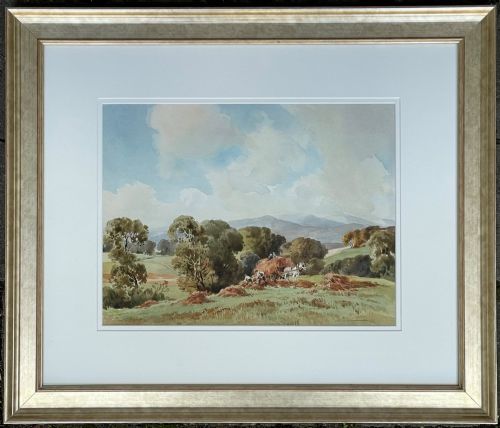
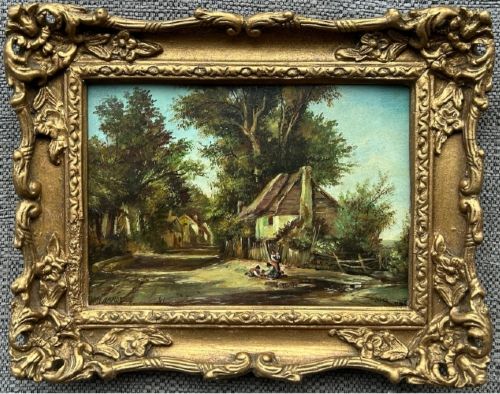
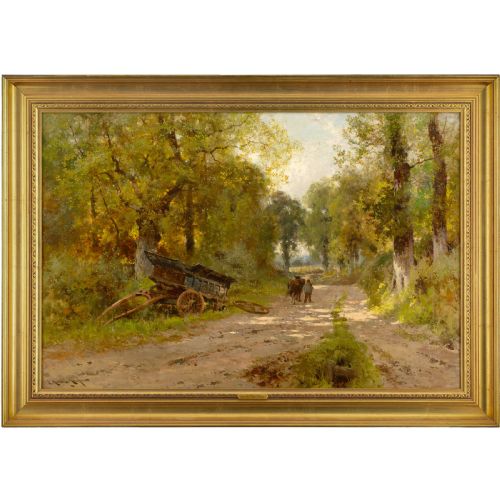
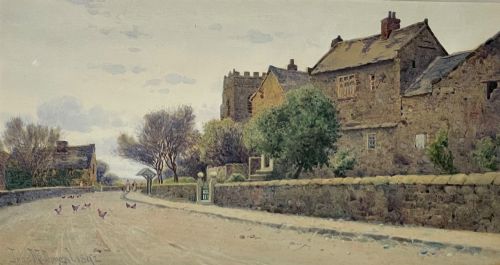
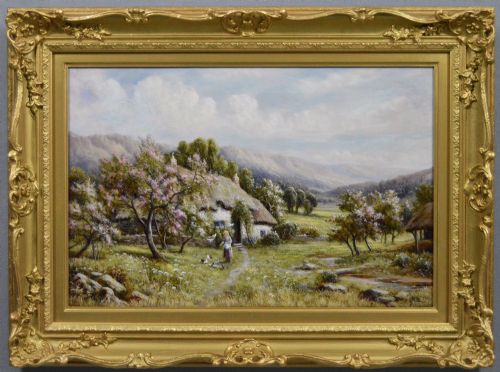
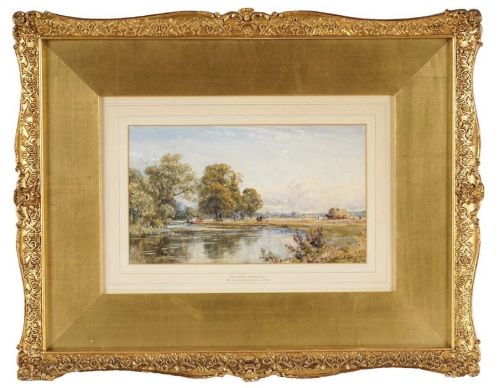
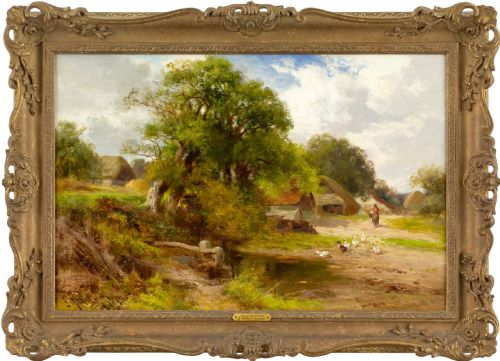
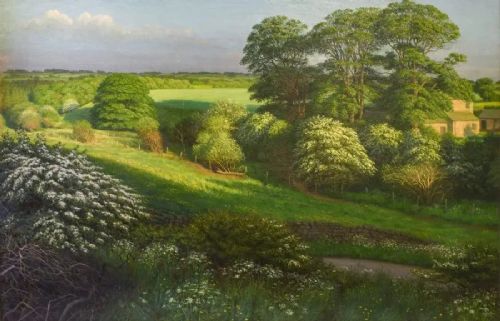
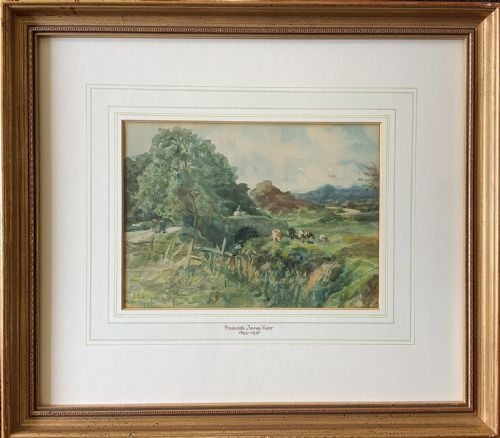
A British country scene painting portrays landscapes, agricultural life, and rural architecture from periods like the Victorian and Edwardian eras. These works typically depict cottages, farmland, rivers, and livestock executed in oils or watercolours.
Materials and Construction
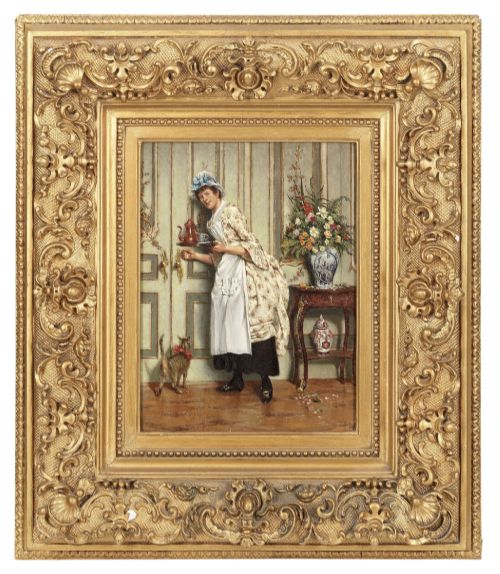
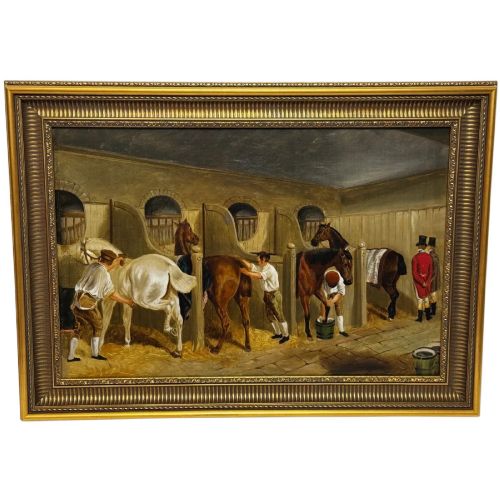
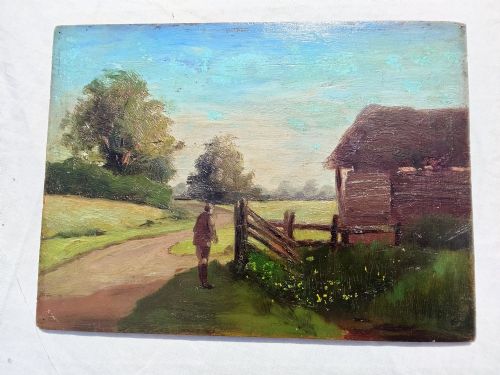
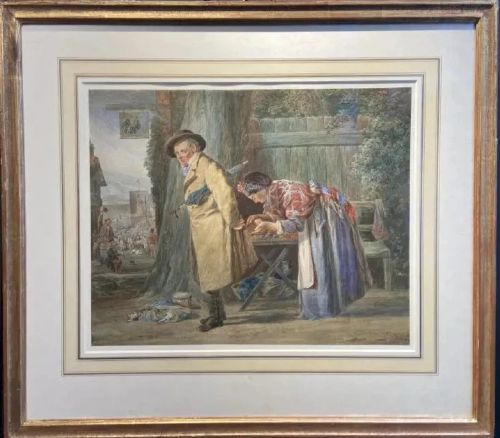
Painters utilised oil paint applied to canvas, wood panels, or board, alongside watercolours worked on paper. These traditional media were frequently housed within giltwood frames that complemented the visual depth of the artwork.
The application ranges from fine brushwork in pastoral genre pieces to freer handling in impressionist landscapes. Support materials such as wooden panels and stretched canvas dictate the physical structure of each surviving piece.
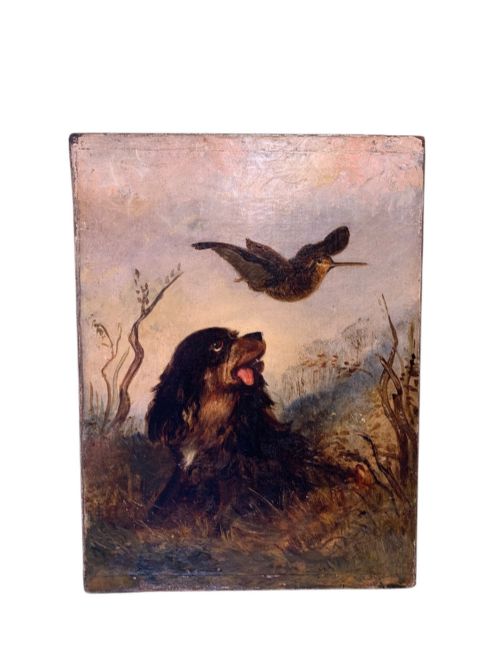
Several canvases record local ducks meeting unexpected encounters with hunting dogs across nineteenth-century pastures.
Assessing Artistic Merit
The distinction between standard works and finer examples lies in the confidence of composition and the handling of natural light. Superior pieces demonstrate precise atmospheric perspective and skilled rendering of figures and animals within the landscape.
Attribution also plays a role, with documented works by established artists carrying distinct technical execution compared to anonymous school pieces. The integrity of the original surface and the harmony of the framing complete the assessment.
Percy Lancaster·John Horace Hooper·Edgar Hunt·Henry H Parker·George Armfield
The British Country Scene Painting Glossary
- Oil on Canvas
- Pigment mixed with drying oil applied to a woven fabric stretched across a wooden frame. This method allows for rich colour blending and layered textures.
- Watercolour
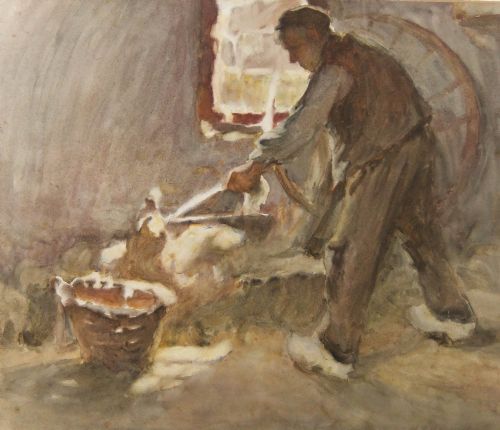
- Paint consisting of water-soluble pigments used on paper supports. It produces translucent washes that capture soft light and atmospheric effects.
- Wood Panel
- A rigid wooden board utilised as a painting support before canvas became standard. Artists frequently applied oils directly to prepared wooden surfaces.
- Giltwood
- Carved wood treated with a thin layer of gold leaf. Frames finished in this manner were designed to enhance the illumination of the painting within.
- Pastoral
- A genre of art depicting rural life and idealized agricultural scenes. These works focus on the peaceful harmony of countryside inhabitants and nature.
British Country Scene Painting: Frequently Asked Questions
What periods do these paintings cover?
The works span primarily from the nineteenth century through the mid-twentieth century, encompassing Victorian, Edwardian, and later periods.
Production methods and artistic styles evolved across these decades, shifting from traditional realism toward early impressionist interpretations.
How do I identify a Victorian landscape?
Victorian pieces often display detailed brushwork focusing on narrative elements like farming figures, livestock, or cottages.
Framing styles and the use of heavy giltwood frames provide additional chronological indicators for this era.
Where were these rural scenes painted?
Artists recorded specific regional topographies across England, including Berkshire, Sussex, Devon, and the Thames waterways.
Inscriptions on the reverse or within the titles frequently identify the exact villages and rivers depicted.
How should I display antique paintings?
These works require placement away from direct sunlight and excessive humidity to protect canvas, paper, and wooden panels.
Original giltwood frames should be supported securely on wall fixings appropriate for their weight.