


British Country Art
British country art captures the rustic charm of rural life through authentic paintings and drawings.
British Country Art
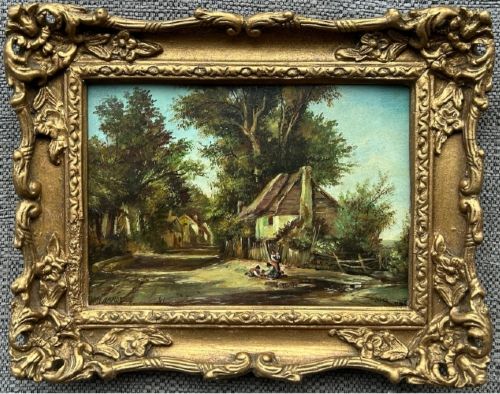
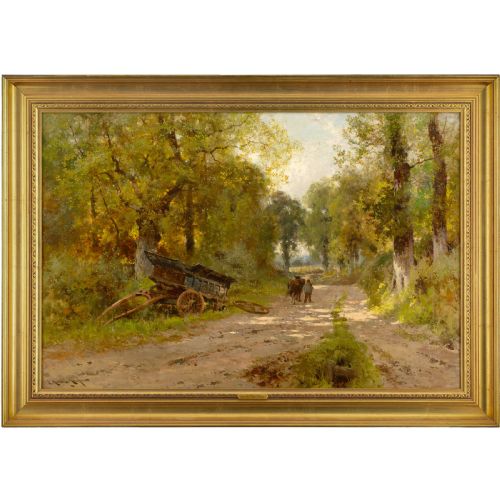
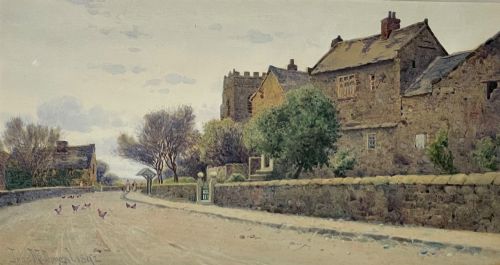
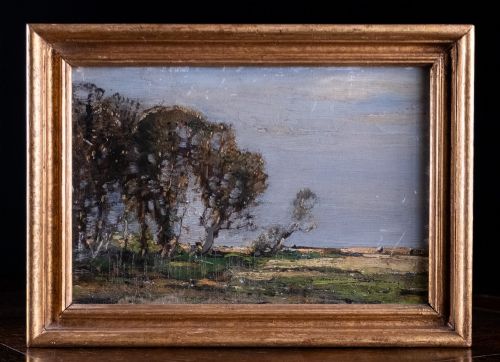
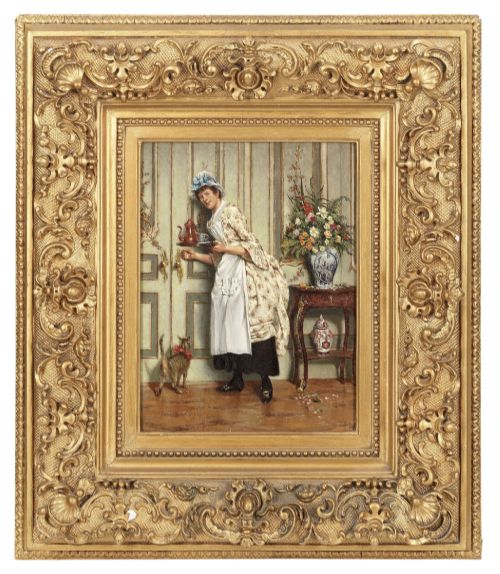
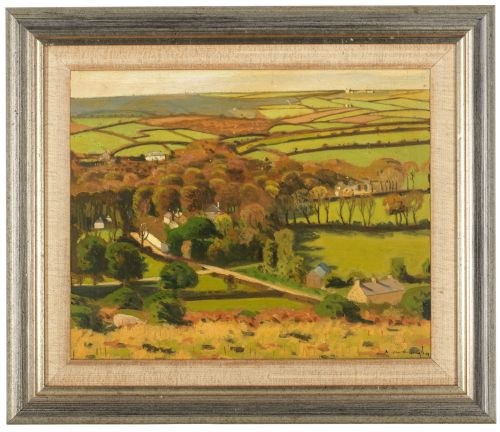
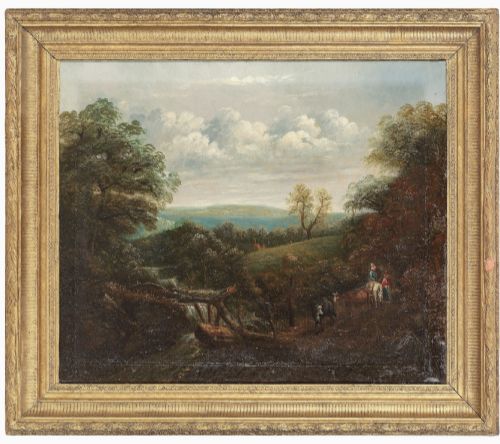
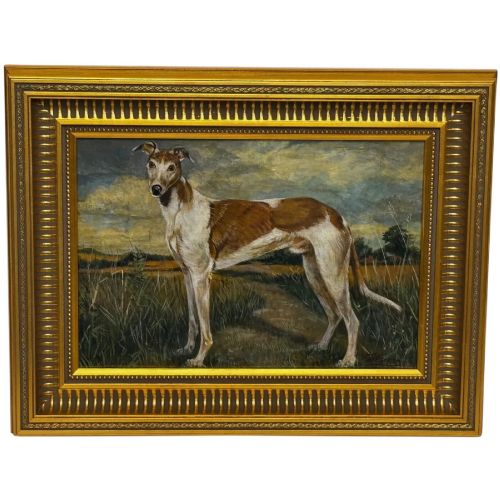
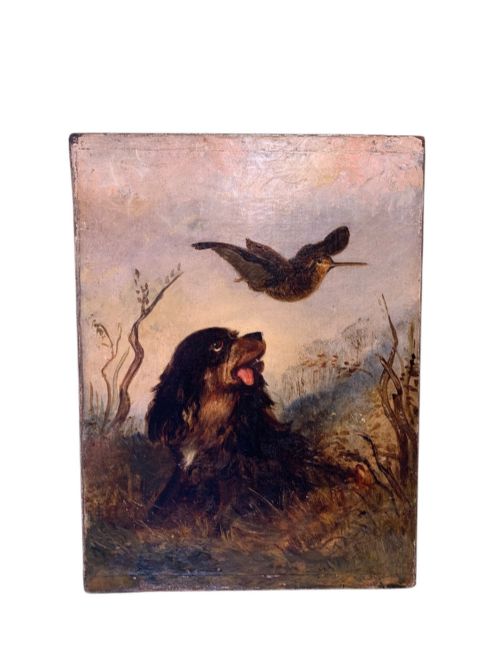
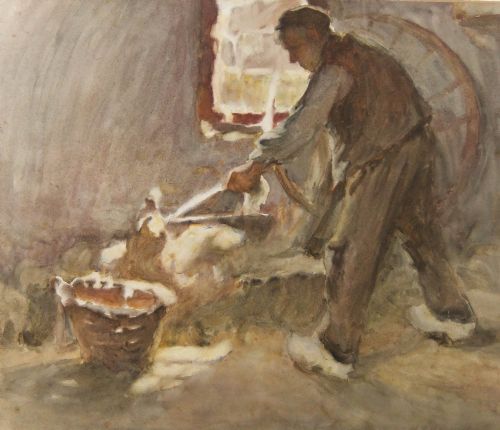
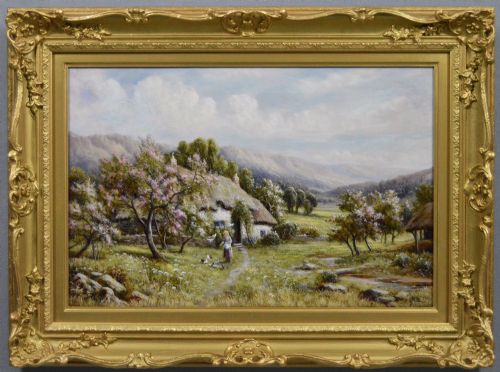
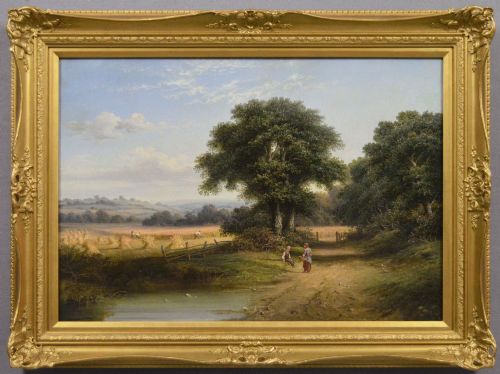
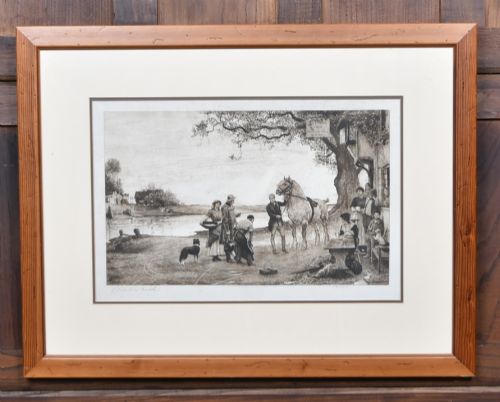
British country art encompasses oil paintings, watercolours, and drawings depicting rural landscapes, agricultural scenes, and domestic animals from the nineteenth and twentieth centuries. Buyers seeking British country art frequently encounter works from the Victorian period through to the mid-twentieth century, capturing changing views of the countryside. These pieces range from detailed studies of farm animals and blacksmiths' shops to sweeping pastoral landscapes by named artists and regional schools.
The subjects reflect traditional rural life, including harvest fields, country cottages, livestock, and equestrian scenes recorded by observant artists. Works span diverse movements such as British Impressionism, Victorian realism, and traditional rural documentation. Such pieces bring a sense of historical place and vernacular character into contemporary interiors.
Materials and methods
Artists working in this genre utilised oil paint on canvas, wooden panel, or board, alongside delicate watercolours and inks on paper. Oil pigments provided rich textures for pastoral scenes and animal portraits, while watercolours captured the soft light of rural skies and rivers. Many surviving works retain their original giltwood frames, which complement the traditional subjects.
Techniques varied from tight, realistic brushwork favoured in nineteenth-century sporting art to looser, impressionistic strokes seen in later twentieth-century landscapes. Draughtsmanship formed the foundation of these compositions, whether executed as preliminary pencil sketches or finished studio watercolours.
British Country Art Retail Price Guide 2026
Typical asking prices for british country art among the pieces listed under this phrase on Sellingantiques today, from the lower quarter to the upper quarter. They describe what is for sale here now, not the wider market.
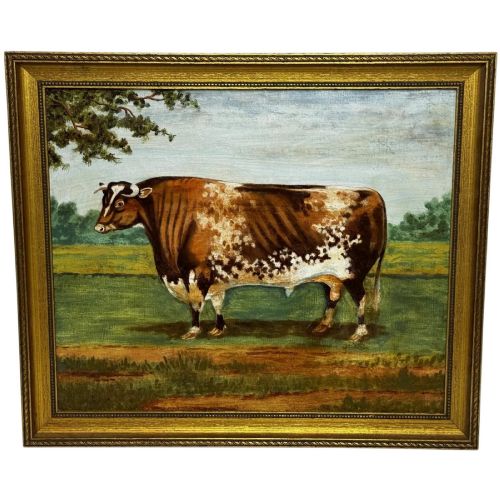
Common subjects recorded on this page range from prize shorthorn bulls and lurcher dogs to Welsh and Yorkshire landscapes.
Judging quality in rural works
Quality rests upon the artist's command of light, composition, and anatomical accuracy in animal or human figures. Superior pieces demonstrate confident brushwork and a coherent atmosphere, whereas lesser examples rely on formulaic repetition without observation from life.
The integrity of the surface and the preservation of the original support significantly influence the standing of a piece. Works that retain their original frames and untouched paint layers possess greater historical weight than heavily restored or altered canvases.
Percy Lancaster·John Horace Hooper·Robert Morson Hughes·Henry Silkstone Hopwood·Edgar Hunt
The British Country Art Glossary
- Oil on canvas
- Pigment suspended in drying oil applied to a woven fabric stretched across a wooden frame. This medium allowed artists to build rich layers of colour and texture.
- Watercolour
- A paint consisting of colour pigments suspended in a water-soluble vehicle, typically applied to paper. It permits translucent washes that capture luminous atmospheric effects.
- Giltwood
- Wood carved and coated with a thin layer of gold leaf or metal powder. It frames many traditional paintings from the Victorian era and earlier.
- Impressionism
- An art movement focusing on transient effects of light and spontaneous brushwork. In British art, it manifested in softer, atmospheric rural landscapes.
- Provenance
- The documented history of ownership surrounding an artwork. A clear provenance helps confirm attribution and authenticity.
British Country Art: Frequently Asked Questions
What periods do these artworks cover?
The available selection spans from the late eighteenth century through the Victorian era and into the mid-twentieth century. Most examples date from the nineteenth and early twentieth centuries.
This broad span documents evolving artistic interpretations of the British countryside over two centuries.
How were these paintings originally displayed?
Many nineteenth-century oils and watercolours hung in country houses, rectories, and urban drawing rooms to project a connection to the land. They were typically set within decorative giltwood frames suited to domestic interiors.
Framing choices often reflected the prevailing taste of the artist's specific period.
How do I identify a Victorian pastoral painting?
Victorian rural works often feature narrative elements, such as farm labourers, harvest scenes, or meticulously detailed livestock. The brushwork tends to be precise and descriptive compared to later twentieth-century interpretations.
Subject matter combined with period framing provides strong clues to an artwork's era.
What subjects are most common in rural art?
Agricultural landscapes, farm animals, country cottages, and sporting pursuits dominate the genre. Scenes involving horses, cattle, and sheep reflect the economic and social importance of farming in rural Britain.
Artists frequently recorded local topography and everyday rural trades.
Can I find works by regional British schools?
Regional groupings such as the Norwich School appear among the listings, recording specific local landscapes and provincial topography. These works highlight distinct regional artistic traditions outside London.
Local views often carry inscriptions detailing precise geographic locations.