





British Art Piece
A british art piece carries the weight of local tradition and shifting domestic aesthetics across centuries.
British Art Piece
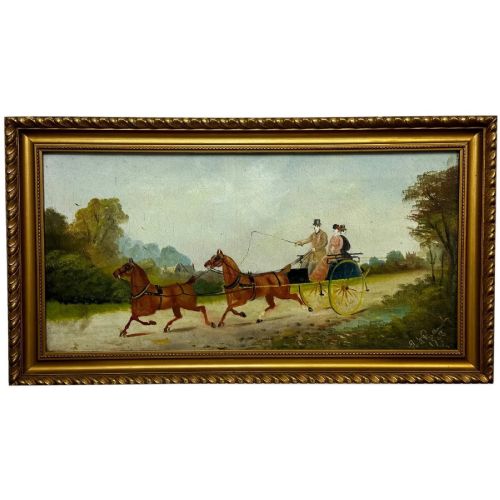
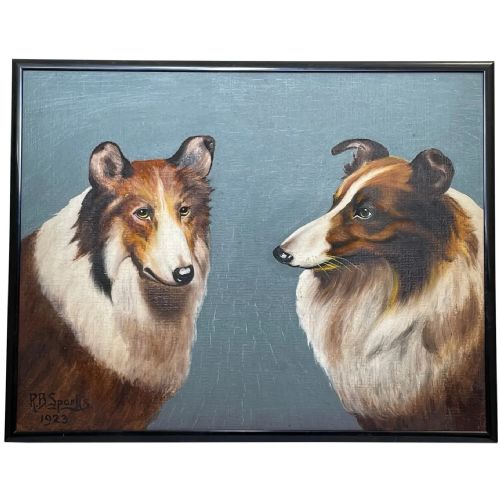
A british art piece spans framed watercolours, oil paintings on canvas, and sculptural vernacular objects gathered from various domestic eras. Buyers seek these works to anchor a room with tangible heritage, capturing subjects from rural farriers to coastal harbours.
The selection ranges from Victorian folk art and Edwardian sporting scenes to mid-century abstract watercolours and pastel portraits. Visitors most frequently encounter framed oil paintings and watercolours originating from the nineteenth and twentieth centuries.
These works reflect distinct regional practices, from Yorkshire landscapes to Cornish harbour views and London architectural scenes. Each object serves as a direct record of past British visual culture and domestic life.
How they were made
Painters utilised oil on canvas, delicate watercolours on paper, and pastel mediums, often securing works within period gilt wood frames. Support structures frequently involve traditional stretched canvas or heavy paper mounted behind protective glass.
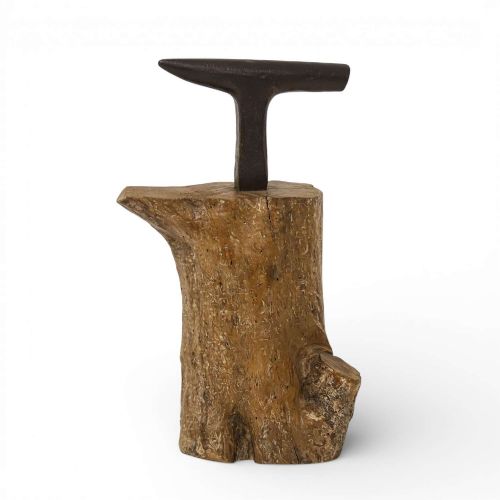
Vernacular sculptures combine heavy metals like iron with organic bases such as fruitwood trunks. Pigment application ranges from precise academic brushwork in oil portraits to rapid, expressive washes in mid-century watercolours.
British Art Piece Retail Price Guide 2026
Typical asking prices for british art piece among the pieces listed under this phrase on Sellingantiques today, from the lower quarter to the upper quarter. They describe what is for sale here now, not the wider market.
What varies in quality
The success of a british art piece depends upon the surety of the draughtsmanship and the handling of light within the composition. Stronger examples display confident brushwork and a coherent spatial arrangement that holds the viewer's attention.
Material preservation heavily influences standing, particularly the stability of the paint surface and the integrity of the original paper or canvas. Works retaining their period frames and primary mountings generally present a more unified historical character.
Philip H Rideout·Dame Laura Knight·Francis Hayman·Adrian Heath
The British Art Piece Glossary
- Vernacular
- An object created by a self-taught maker or craftsman for functional or domestic use rather than for the formal fine art market. These pieces often display idiosyncratic local materials and methods.
- Gilt wood frame
- A wooden structure coated with a thin layer of gold leaf or metallic gilt, designed to complement and protect flat art. Period frames help anchor the age and origin of the artwork within.
- Watercolour
- A painting method where fine pigments are suspended in a water-soluble binder, traditionally applied to paper surfaces. It allows for transparent washes and immediate, fluid mark-making.
- Pastel
- A dry drawing medium composed of powdered pigment and a binder, shaped into sticks for direct application to paper. It produces rich velvety textures that require protective framing behind glass.
British Art Piece: Frequently Asked Questions
How do I care for antique watercolours?
Keep works out of direct sunlight to prevent the fading of delicate watercolours on paper. Maintain stable room humidity to protect both the paper support and the surrounding wooden frame.
Ensure that framing utilises acid-free materials to avoid long-term discoloration of the paper margins. Regular gentle dusting of the outer glass is usually sufficient for ongoing maintenance.
What defines Victorian folk art?
Victorian folk art encompasses objects made outside the strict academic traditions, often by local craftsmen or anonymous makers. These pieces prioritize direct utility and personal expression over formal academic rules.
Materials are typically sourced locally, resulting in robust, unpretentious items like mounted farrier anvils or naive interior paintings.
How can I identify mid-century pieces?
Mid-century works often discard traditional perspective and realistic detail in favour of abstraction and experimental mark-making. Artists from this era explored bold colour relationships and simplified geometric forms.
Signatures, paper types, and framing styles from the period help confirm the era of production alongside the visual vocabulary.
Where should I hang these works?
Select wall spaces away from moisture sources such as unvented kitchens or damp external walls. Positioning pieces at eye level allows the fine details of oil paintings and watercolours to be appreciated fully.
Consider the surrounding room lighting, utilising gentle ambient sources to prevent glare on glass-fronted frames.