


British Army Militaria
British army militaria gathers helmets, medals, instruments, and uniforms from nineteenth-century campaigns and the First World War.
British Army Militaria
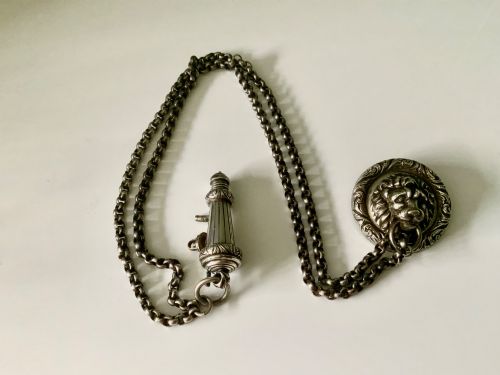
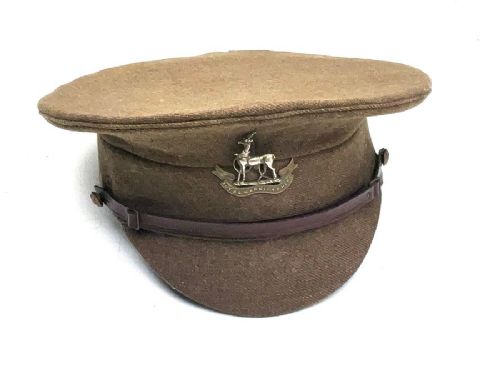
British army militaria encompasses regulated equipment, commemorative art, and personal uniform items issued or worn by officers and soldiers across the nineteenth century and the First World War. Collectors encounter distinct categories ranging from headwear such as lancer caps and bicorn cocked hats to brass compasses and silver-plated infantry whistles.
The objects on this page trace military service through tangible remnants spanning the Victorian era up to nineteen twenty. Pieces include edged weapons like bayonets, embroidered commemorative frames, and miniature models that record regimental identity.
How they were made
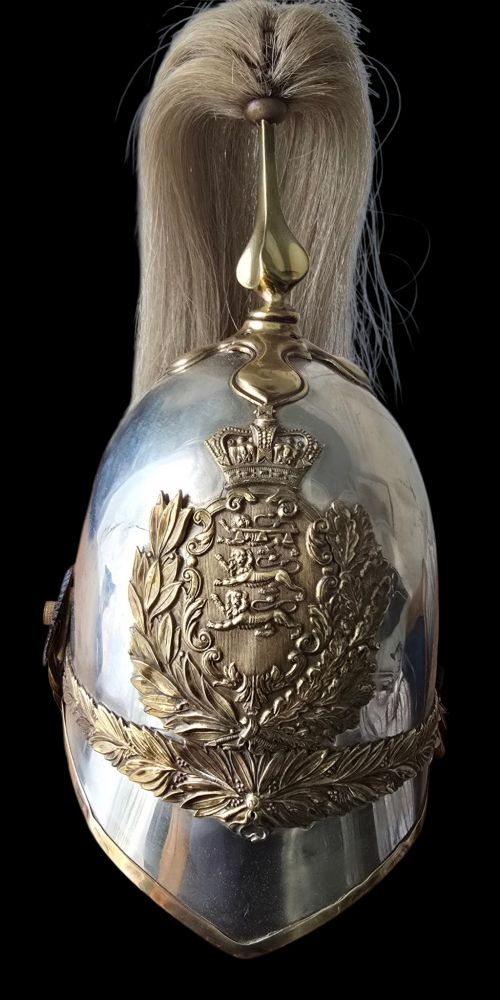
Makers utilised durable materials suited to field conditions and formal dress, combining brass, white metal, gilt metal, and steel with supple leather components. Helmets incorporate structured leather bodies mounted with metal plates, horsehair plumes, and chin chains.
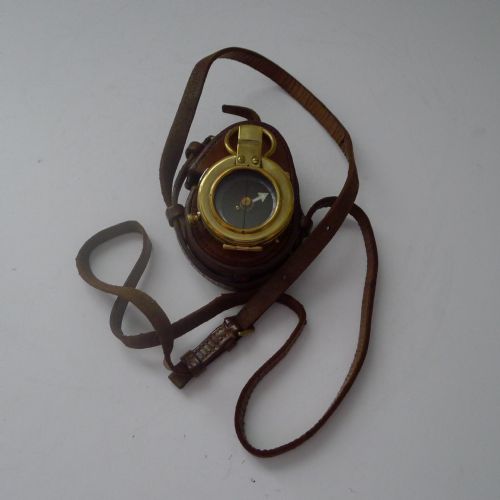
Precision instruments like Verner's pattern compasses relied on machined brass and glass optics. Textiles feature tailored felt, silk embroidery thread, and hand-painted details on tinplate miniature drums and watercolour portraits.
Materials recorded across the inventory include brass, leather, glass, silk, silver plate, white metal, and gilt metal.
What varies in quality
Quality rests upon the degree of original survival, maker attribution, and the crispness of regimental detailing. Headwear retaining intact horsehair plumes, proper metal insignia, and named maker labels command greater regard than stripped or altered examples.
The fineness of engraving on metalwork, the clarity of painted decoration on tinplate models, and the preservation of delicate silk embroidery set superior pieces apart from standard regimental equipment.
French Ltd·Hawkes and Co·Potter
The British Army Militaria Glossary
- Bicorn
- A historical folding hat with two points, worn transversely by officers during the nineteenth century. Hawkes and Company produced notable examples for military personnel.
- Verner's Pattern
- A standard military prismatic compass design utilised by British officers, particularly during the First World War period. These instruments were manufactured by firms such as French Limited.
- Bayonet
- A bladed weapon designed to fit onto the muzzle of a rifle, such as the Lee-Metford pattern dated eighteen ninety-nine. Infantrymen carried these side arms for close combat.
- Lance Cap
- A distinctive rigid headpiece worn by lancer regiments, featuring a square top known as the mortarboard. The seventeenth lancers utilised foul weather versions of these caps.
- Medal
- A stamped metal award issued for campaign service or gallantry, such as the military general service medal dating from eighteen forty-eight. These pieces record specific historical military engagements.
British Army Militaria: Frequently Asked Questions
How do I identify Victorian helmets?
Victorian helmets display specific pattern details, metal badges, and construction methods tied to particular cavalry or infantry regiments between eighteen fifty and nineteen hundred.
Examine interior linings, chin chains, and plume types to distinguish between officer ranks and other ranks.
What are Verner pattern compasses?
Verner's pattern compasses are military sighting instruments utilised by British officers for navigation and map reading during the early twentieth century.
These brass instruments feature folding sights and liquid-filled or dry dials produced by approved contractors.
How should I display fabric militaria?
Framed embroideries and textile items require protection from direct sunlight and moisture to prevent silk degradation and fading over time.
Keep pieces in stable indoor environments using conservation-grade framing materials where possible.
Are campaign medals officially named?
Many nineteenth-century campaign medals feature recipient details impressed or engraved along the rim, recording the soldier's name, rank, and regiment.
Named medals offer a direct historical link to an individual service record.