

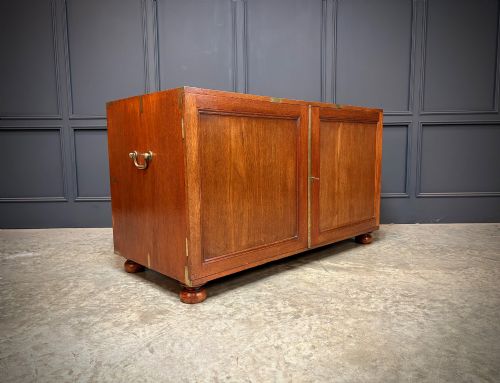


British Cabinet
These pieces under the heading of british antique cabinet bring solid craftsmanship and honest utility straight into your room without fuss.
British Cabinet
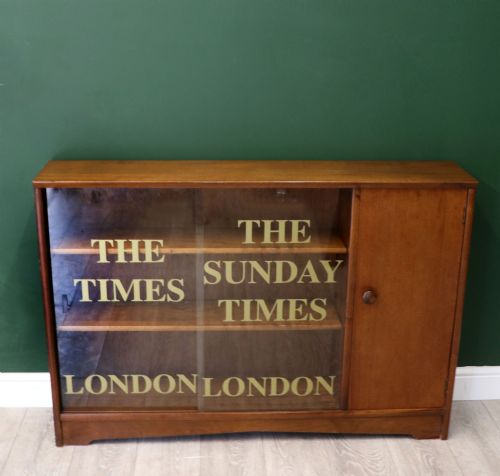
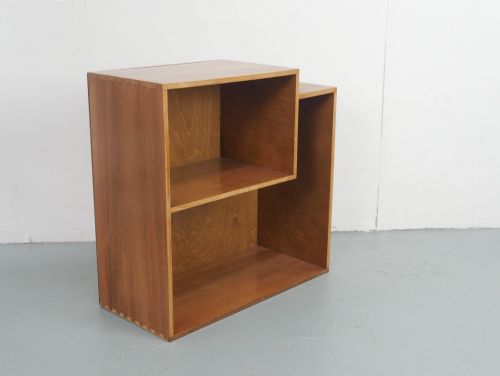
A british antique cabinet encompasses a practical range of storage forms, from sturdy bookcases and desks to specialised bedside cupboards and campaign chests. Buyers searching this term will encounter sturdy items spanning the Georgian, Victorian, Edwardian, and mid-twentieth-century periods.
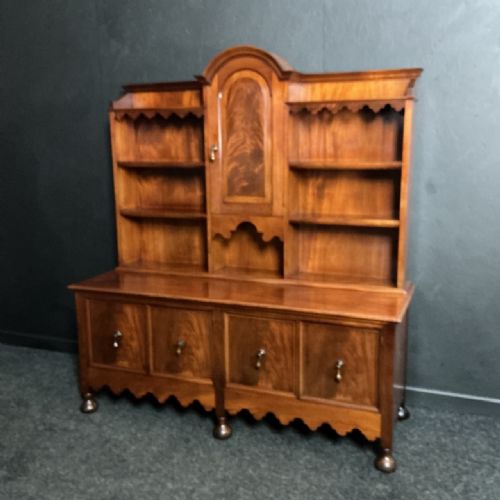
Mahogany and walnut predominate among the woods, often paired with glass panels, brass fittings, and painted finishes. Pieces range from institutional school cupboards to domestic sideboards and stacking bookcases.
How they were made
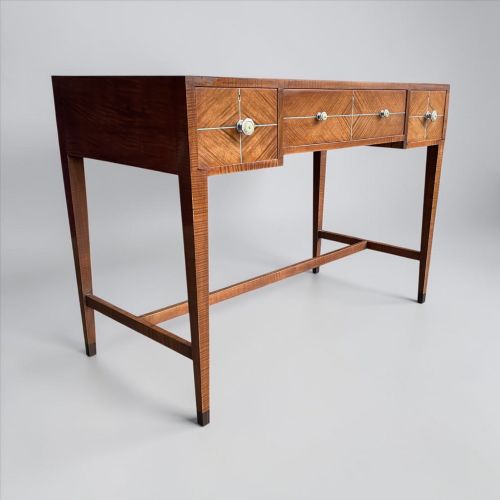
Workshops utilised solid timbers like mahogany, walnut, and oak, frequently applying veneers for visual depth on large surfaces. Brass hardware, campaign banding, and tambour doors provided durable functionality for daily use.
Makers finished surfaces with hand painting, gold leaf detailing, and traditional polishing techniques that protected the timber while highlighting natural grain patterns.
British Cabinet Retail Price Guide 2026
Typical asking prices for british cabinet among the pieces listed under this phrase on Sellingantiques today, from the lower quarter to the upper quarter. They describe what is for sale here now, not the wider market.
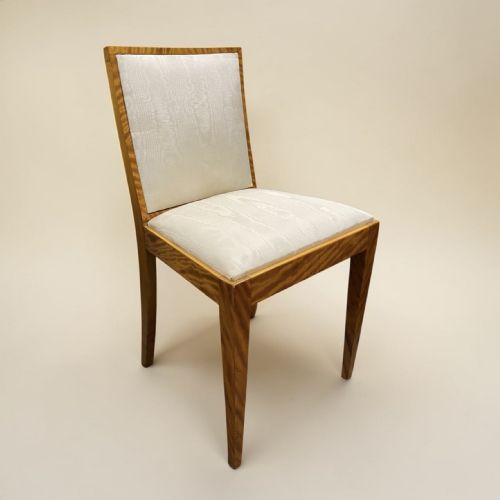
Listings feature mahogany, walnut, oak, and satinwood, spanning the Georgian, Victorian, Edwardian, and Art Deco periods.
What varies in quality
The standard of timber selection and the precision of joinery set finer examples apart from utilitarian items. Superior execution shows in balanced veneer matching, tightly fitted drawers, and robust structural framing.
Maker attribution and documented institutional or workshop provenance elevate certain pieces above standard domestic production. Original hardware and intact surface finishes preserve the integrity of the design.
Bath Cabinet Makers·Holland and Sons·Heal's·Hamptons of Pall Mall London·Betty Joel·Harry and Lou Epstein·Arthur Reynolds Of Ludlow
The British Cabinet Glossary
- Campaign chest
- A piece of furniture made in sections with recessed brass handles, designed for easy transport by military officers. These items feature sturdy construction to withstand travel.
- Tambour door
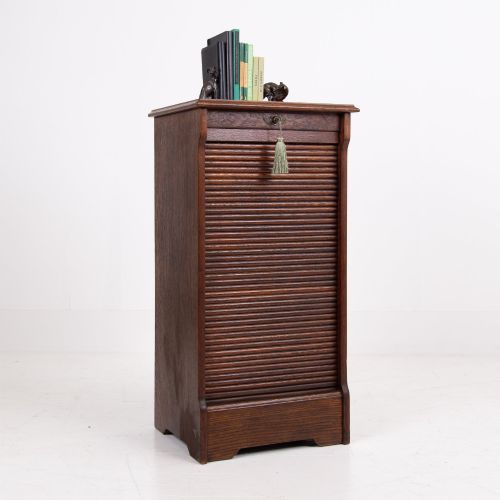
- A flexible sliding door constructed from narrow vertical strips of wood glued to a canvas backing. This mechanism allows access to tight spaces without swinging doors.
- Pedestal cupboard
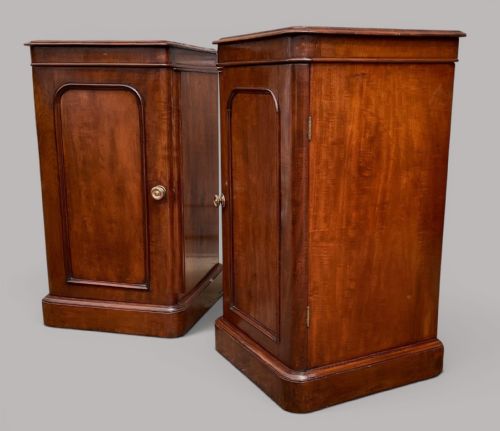
- A freestanding storage unit resting on a fixed base, typically placed beside a bed. Pairs of these often match larger bedroom suites.
- Veneer
- A thin layer of figured wood applied over a secondary timber base to create decorative surfaces. Skilled application ensures the grain flows naturally across the piece.
- Cabinet plate
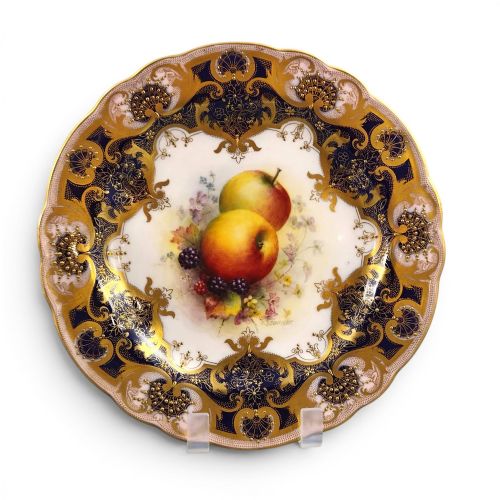
- A decorative ceramic plate intended for display rather than dining. These items often feature hand-painted botanical or fruit scenes by named artists.
British Cabinet: Frequently Asked Questions
What defines a campaign cabinet?
A campaign cabinet is built in modular sections with recessed brass fittings and protective corners to withstand frequent transport. These pieces were originally used by military officers on active service.
Today, their robust construction and clever partitioning make them practical for modern interiors requiring adaptable storage.
Where should I place a side cabinet?
Side cabinets suit hallways, living rooms, and dining spaces where surface area and enclosed storage are both needed. Their compact footprints allow them to fit against walls without crowding a room.
Pairing them with a mirror or lamp helps anchor the piece within the wider interior scheme.
What is a tambour door?
A tambour door uses thin wooden slats attached to a flexible backing, allowing the door to slide smoothly around a curved track. This clever mechanism saves space where hinged doors would be impractical.
It appears frequently on desks and compact storage units from the early twentieth century.