





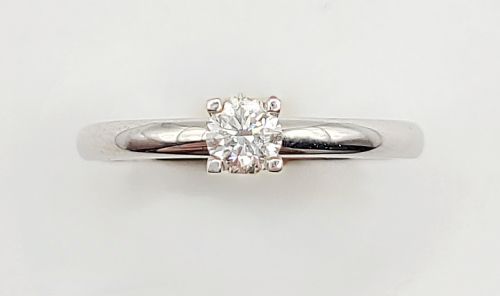

Brilliant Cut Ring
When a brilliant cut ring catches the light, it holds centuries of fine metalwork and timeless stone-setting tradition.
Brilliant Cut Ring
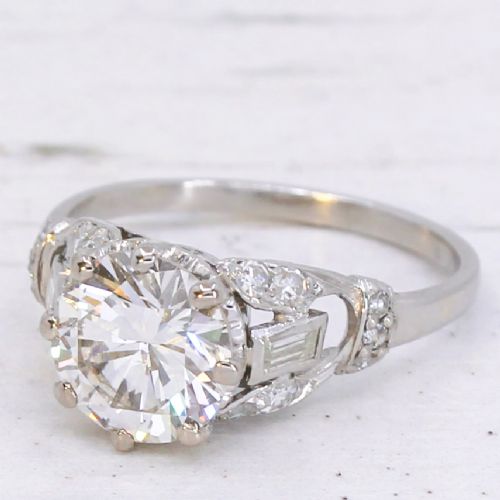
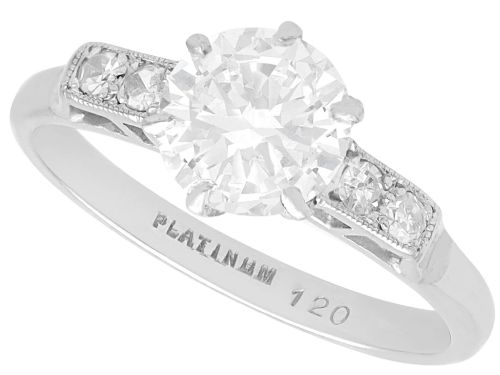
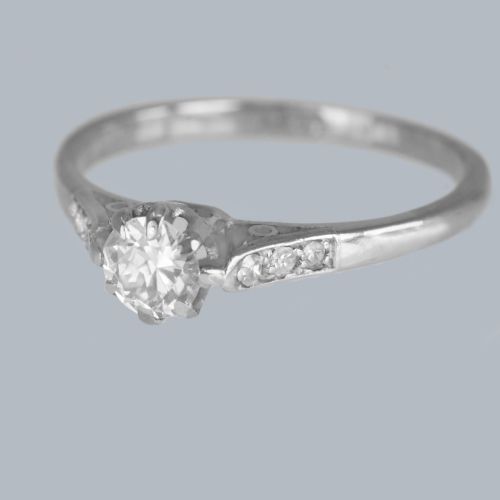
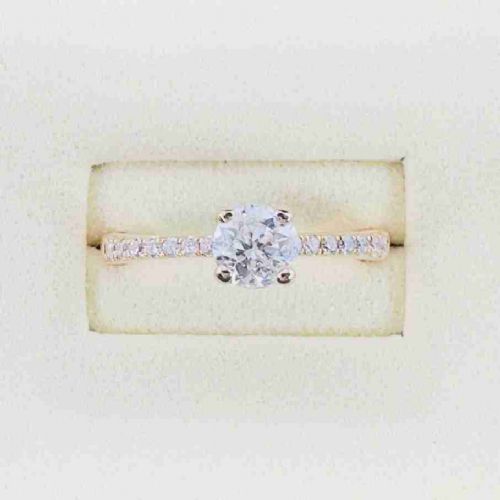
A brilliant cut ring brings together polished gemstones and enduring precious metals designed to sit gracefully upon the hand. The brilliant cut ring selection spans decades of design, showing heavy representation from mid-century makers alongside earlier Edwardian and Art Deco examples.
Solitaires and cluster arrangements dominate the forms found here, often presented as engagement rings or dress rings. Buyers encounter platinum alongside various gold alloys, reflecting the prevailing preferences of each distinct period.
Materials and construction
Diamonds form the optical heart of these pieces, paired with platinum or 18ct yellow and white gold bands. Metals are cast or fabricated to hold stones securely while maximising light entry through open galleries and precise settings.
Secondary stones, enamel accents, and diamond-set shoulders appear in specific pieces to add texture and colour contrast to the primary brilliant cut diamond.
Brilliant Cut Ring Retail Price Guide 2026
Typical asking prices for brilliant cut ring among the pieces listed under this phrase on Sellingantiques today, from the lower quarter to the upper quarter. They describe what is for sale here now, not the wider market.
Listings span periods from the Edwardian era through the Art Deco movement and into mid-century modern designs using platinum, yellow gold, white gold, and enamel.
Assessing quality and execution
Quality rests in the precision of the stone-setting and the integrity of the metalwork over decades of wear. Heavier gauge platinum and robust gold claws separate durable everyday pieces from lighter decorative mounts.
The harmony between the central diamond and the surrounding gallery dictates the overall aesthetic success of the design. Subtle details, such as hand-finished shoulder stones or integrated enamel work, elevate specific pieces above standard commercial production.
Niels Erik From
The Brilliant Cut Ring Glossary
- Solitaire
- A ring featuring a single prominent gemstone set into the band. This classic mount focuses attention entirely on the central brilliant cut diamond.
- Cluster ring
- A design arrangement where a central stone is surrounded by a group of smaller gems. This configuration maximises visual presence on the hand.
- Trilogy ring
- A three-stone ring symbolising the past, present, and future. The stones are typically graduated or matched in size across the band.
- Platinum
- A dense, durable, and naturally white precious metal used extensively for secure stone settings. Its strength allows for fine claw work without sacrificing security.
- Transitional cut
- A diamond facet style bridging old mine cuts and modern brilliant cuts, prevalent during the early twentieth century. It combines small tables with open culets.
Brilliant Cut Ring: Frequently Asked Questions
How do I care for my ring?
Regular cleaning with warm soapy water and a soft brush maintains the brilliance of the diamond and clears everyday oils from the setting. Professional checks ensure the claws remain tight and secure.
Avoid wearing fine platinum and gold jewellery during heavy physical work to prevent unnecessary scratching or structural distortion of the band.
Can these rings be resized easily?
Most solid metal bands in gold or platinum allow a jeweller to adjust the circumference up or down by a few sizes. Intricate shoulders or continuous stone settings require specialist evaluation.
Consult a qualified artisan who can match the original metal alloy and preserve any underlying hallmarks or engraving during the alteration process.
What distinguishes an Edwardian setting?
Edwardian pieces often utilise delicate platinum work over yellow gold, creating a light, lace-like appearance. Pierced galleries and intricate millegrain edges define this graceful aesthetic.
Stones from this era may display earlier facet variations like old brilliant cuts, which offer softer light dispersion than mid-century cuts.
How do I identify mid-century styles?
Mid-century rings frequently showcase clean geometric lines, heavier white or yellow gold mounts, and streamlined settings. These pieces reflect post-war modern design influences.
Cluster designs and structured solitaire shoulders become particularly prominent during the nineteen-fifties and sixties.