
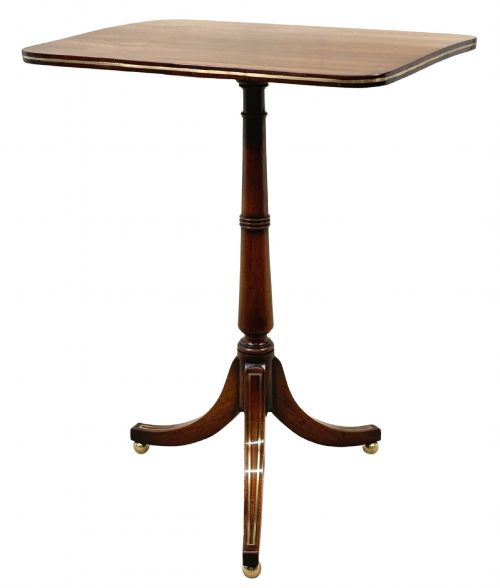


Brass Wine Table Lamp
A brass wine table lamp combines functional lighting with a sturdy small surface, offering a practical centrepiece for living spaces.
Brass Wine Table Lamp
When searching for a brass wine table lamp, buyers encounter a mix of occasional tables, standard lamps, and combined lamp tables originating from the 19th century, Regency, Georgian, and Edwardian periods. These versatile pieces function as compact side surfaces or integrated lighting stands suitable for sitting rooms and studies.
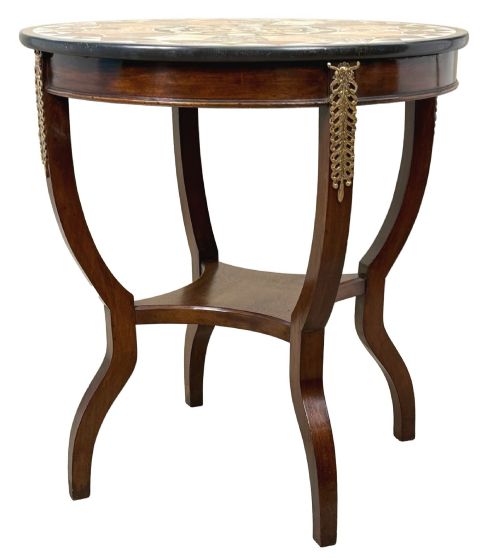
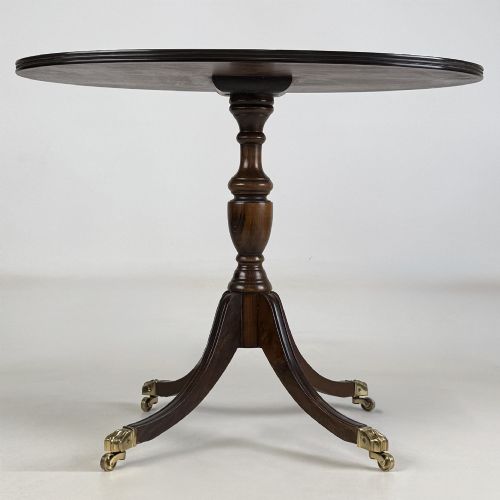
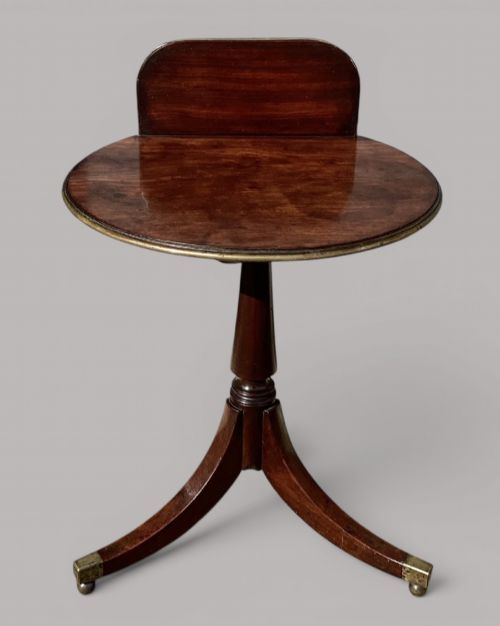
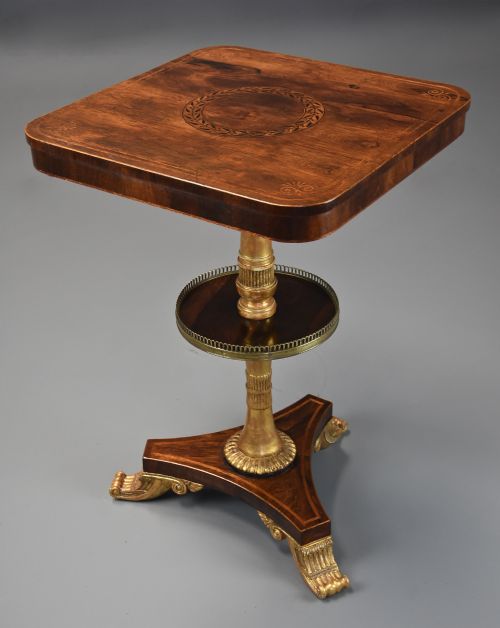
The selection frequently includes circular or oval occasional tables featuring brass mounts, galleries, or stringing alongside dedicated standard lamp combinations. Materials span mahogany, rosewood, walnut, and satinwood, often paired with marble, onyx, or specimen marble tops.
Origin styles range from English Regency and Georgian designs to French Louis XVI Revival, French Empire, and Guéridon forms. Buyers are most likely to meet 19th-century rosewood and mahogany examples alongside turn-of-the-century brass standard lamps fitted with small round wine tables.
Materials and construction
Maker workshops utilised dense hardwoods like mahogany, rosewood, walnut, and satinwood for the structural frames, often applying brass stringing, mounts, or cast bronze details. Timber surfaces received fine polish to highlight the natural grain.
Table tops incorporate inset white marble, onyx, or multi-coloured specimen marble slabs, frequently enclosed by pierced or solid brass galleries. Standard lamp and table combinations merge heavy brass shafts with wooden or metal bases to ensure stability.
Listings span the 18th, 19th, and 20th centuries, featuring materials such as mahogany, rosewood, marble, onyx, and brass across occasional tables and standard lamps.
Determinants of quality
Quality rests on the selection of timber veneers, the precision of brass inlay and mounts, and the integration of stone tops such as marble or onyx. Finer examples display crisp casting on bronze and brass elements alongside well-figured rosewood or mahogany.
Structural integrity of the tripod or pedestal base, the weight distribution of standard lamp combinations, and the retention of original brass galleries distinguish superior examples from standard production pieces.
James Shoolbred·A Hugnet Paris
The Brass Wine Table Lamp Glossary
- Guéridon
- A small round table, typically French in origin, often supported by a central pillar or three legs. These tables frequently feature marble tops and brass mounts.
- Gallery
- A low raised rim, usually made of pierced or solid brass, encircling the edge of a table top to prevent items from sliding off.
- Specimen marble
- A decorative table top composed of various coloured marbles arranged in geometric or mosaic patterns. It was popular in nineteenth-century occasional tables.
- Brass stringing
- Inlaid thin lines of brass set flush into the wooden surface of a table top or border for decoration. It is a hallmark of Regency cabinet work.
- Occasional table
- A small, light table designed for general use in a room, easily moved to different positions as needed. They appear in circular, oval, and multi-tiered forms.
Brass Wine Table Lamp: Frequently Asked Questions
What is a brass wine table lamp?
A brass wine table lamp is a hybrid piece of furniture that functions both as a small occasional surface and an upright lighting stand. These pieces combine a sturdy metal or timber base with a compact top designed for drinks or small objects.
They emerged strongly in the nineteenth and early twentieth centuries, serving practical needs in drawing rooms and parlours where space was utilised efficiently.
How were these lamp tables used?
Historically, these tables stood beside seating areas to hold small glasses of wine, books, or writing materials while providing ambient illumination from an attached standard lamp. The combined form meant a single footprint served two distinct functions in a room.
Today, they suit similar placement beside armchairs or sofas, offering convenient surface space and lighting without dominating the room layout.
How do I date a Regency or Victorian lamp table?
Dating relies on identifying characteristic timber choices, hardware, and decorative styles such as brass stringing or cast bronze mounts. Regency pieces often showcase rosewood with precise brass inlay, while Victorian examples span heavier mahogany and elaborate specimen marble tops.
Construction methods, including joint types and the weight of the brass components, further clarify the period of manufacture.
How do I care for marble and wood surfaces?
Marble and onyx tops require gentle cleaning with a damp cloth and mild soap, avoiding acidic substances that can etch the stone. Wooden frames benefit from occasional waxing with traditional furniture polish to maintain the finish.
Keeping these tables away from direct heat sources and strong sunlight preserves both the timber grain and the integrity of the brass mounts.