

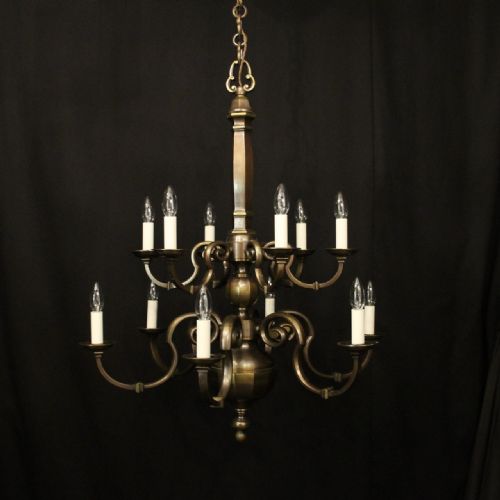
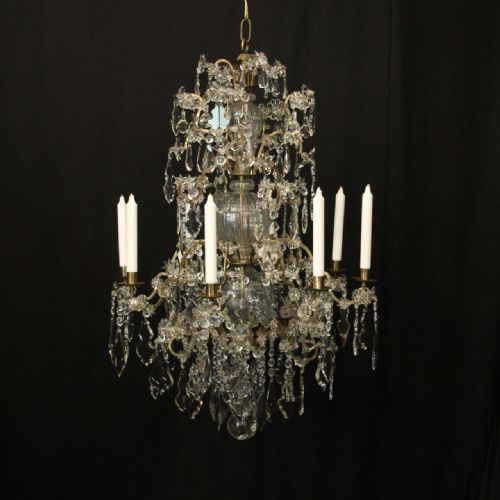

Brass Tiered Lighting
These brass tiered lighting pieces bring layered illumination and period character into a room.
Brass Tiered Lighting
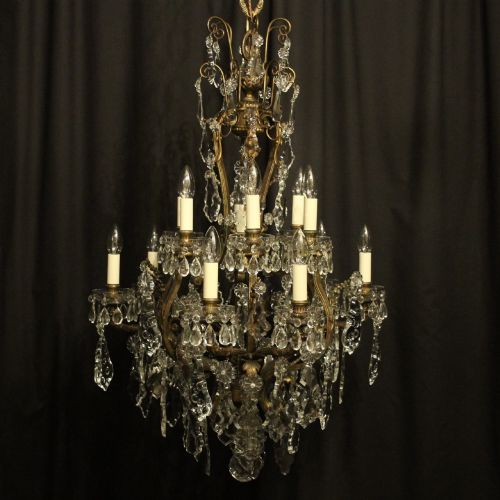
Brass tiered lighting encompasses multi-level fixtures designed to hold multiple lights across distinct vertical levels. When people search for brass tiered lighting, they encounter hanging fixtures and wall-mounted pieces constructed with stacked frames.
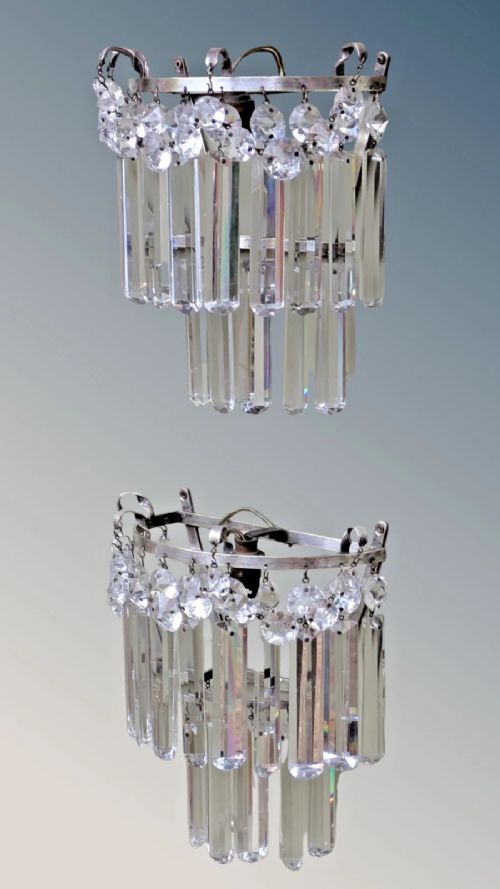
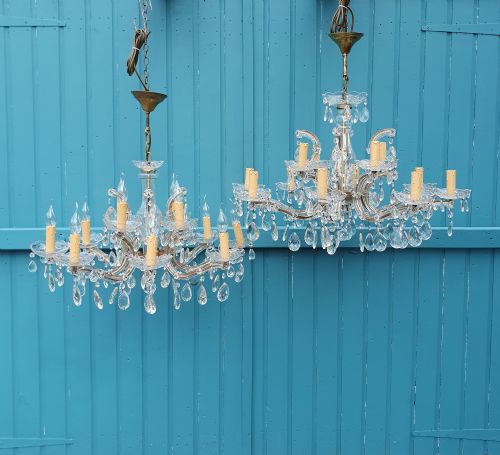
The selections available here span multiple eras, stretching from the eighteenth century through the Edwardian period and into the nineteen-thirties. Formats range from large multi-arm chandeliers to smaller flush-mounted plafonieres and wall sconces.
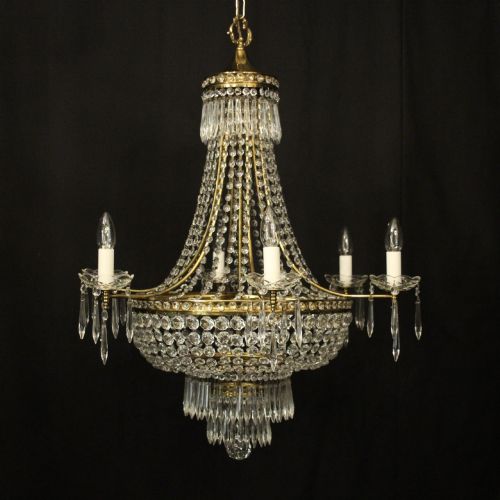
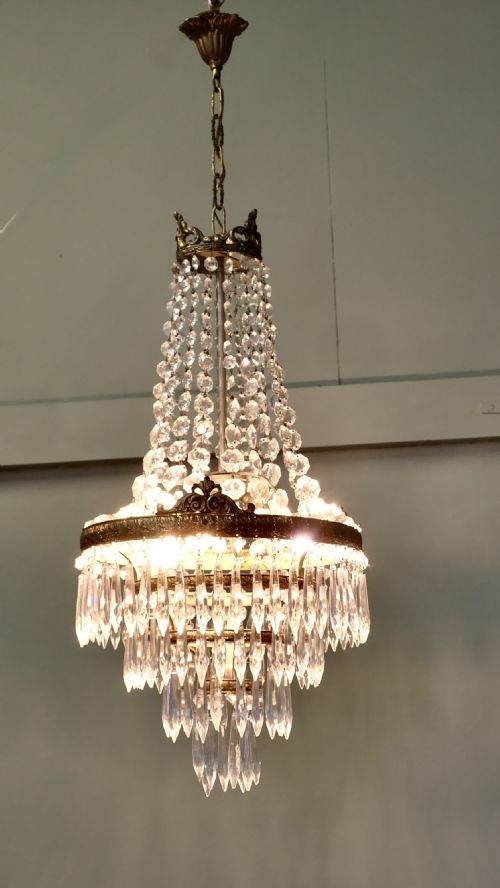
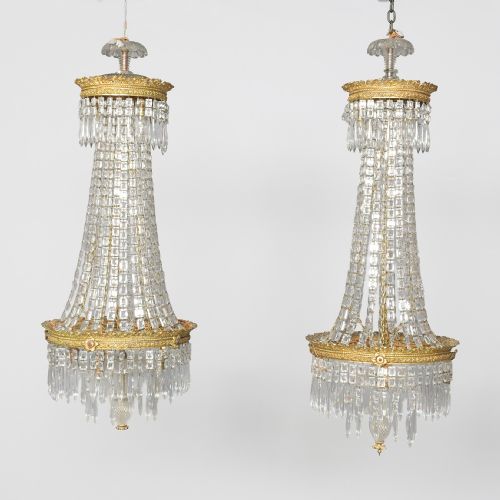
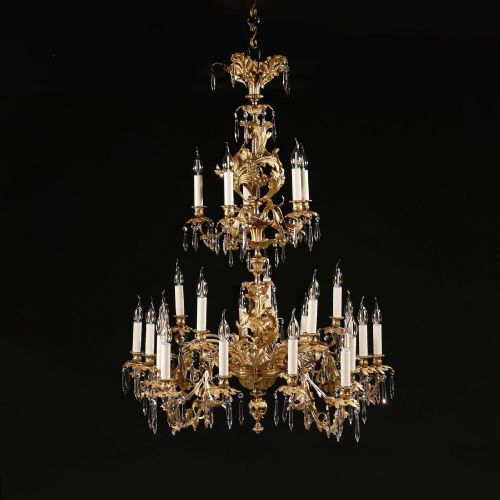
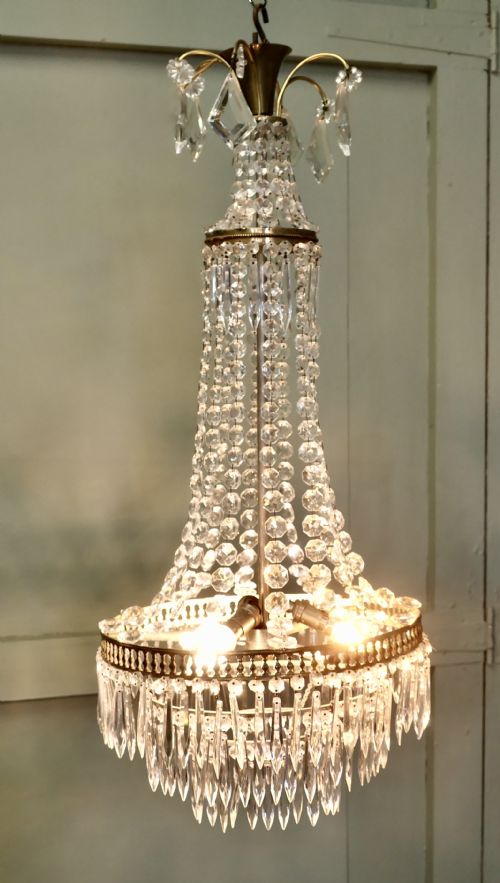
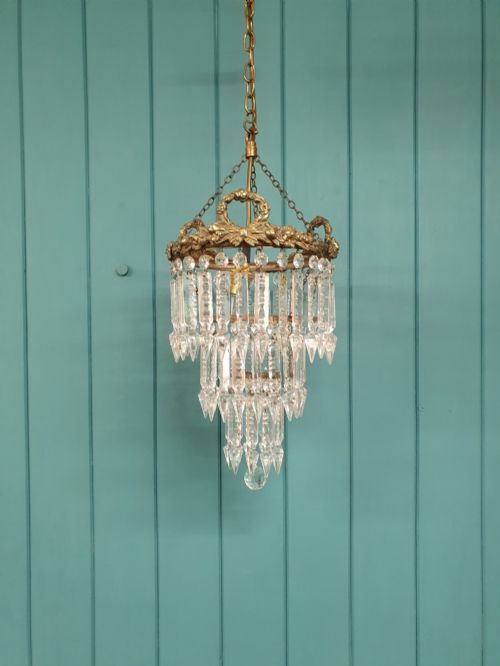
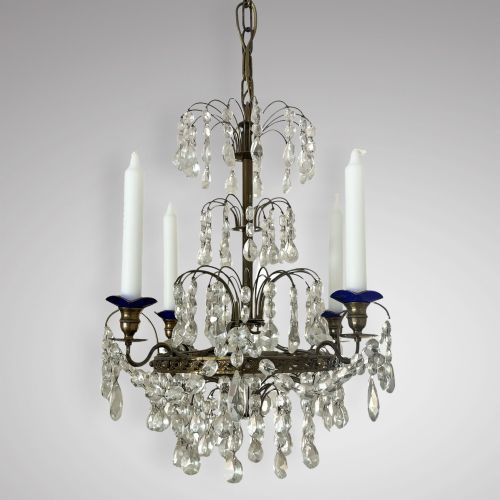
French empire styles, art deco tiers, and early twentieth-century spike designs dominate the physical forms. Many examples incorporate multiple tiers of metal framing to support arrays of candles or electric lamps.
How brass tiered lighting was made
Makers utilised cast brass, gilt bronze, and copper for the structural skeletons of these tiered fixtures. Metal components were shaped, chased, and gilded or polished to support the weight of suspended glassware.
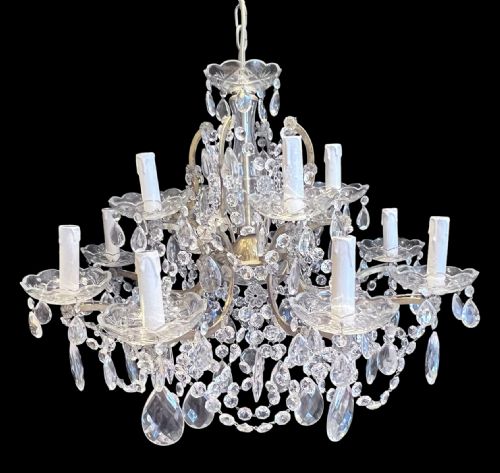
Drop crystals, cut glass beads, and moulded panes were hung from the metal tiers using wire or pins. Glass elements included cut crystal, lustre drops, and mirrored backs designed to reflect and multiply the light.
The listings here include brass fixtures combined with cut crystal, glass, and gilt bronze across periods spanning the eighteenth to the twentieth centuries.
What varies in quality in brass tiered lighting
The fineness of the metal casting and the precision of the chasing dictate the underlying standard of the piece. Crisp detail in the brass or bronze mounts separates standard production from superior output.
Cut glass and crystal quality defines the upper tiers of the market, where hand-cut facets refract light cleanly without internal flaws. The completeness and original matching of the crystal drops also influence the integrity of each fixture.
The Brass Tiered Lighting Glossary
- Tiered chandelier
- A hanging light fixture constructed with multiple horizontal levels or decks stacked vertically. These levels hold arms or candle branches that spread the illumination outward.
- Waterfall chandelier
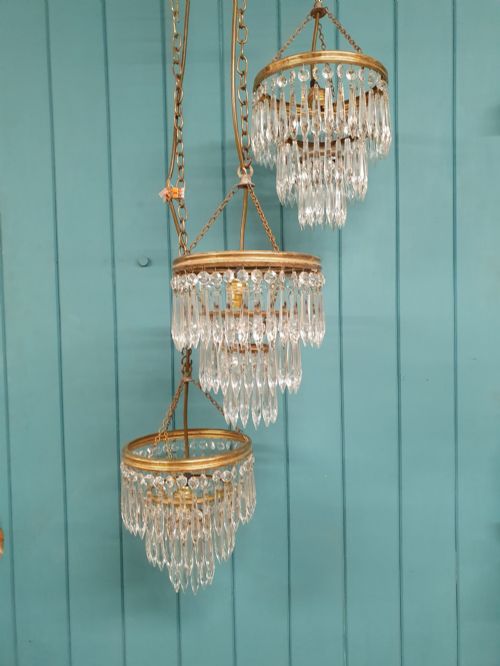
- A lighting form where strings of glass drops flow downward from a central ring over the metal frame. This arrangement mimics the visual effect of cascading water.
- Gilt bronze
- Metalwork cast from bronze and coated with a thin layer of gold or gold-coloured alloy. It provides a durable, reflective surface frequently seen on French antique pieces.
- Cut crystal
- High-clarity glass shaped by grinding and polishing facets onto the surface. These facets catch and scatter light across the room.
- Plafoniere
- A ceiling-mounted lighting fixture set close to the plasterwork rather than suspended on a long chain or rod. These work well in rooms with lower ceiling heights.
Brass Tiered Lighting: Frequently Asked Questions
How do I hang a heavy tiered chandelier?
Hanging a heavy multi-tiered fixture requires securing the weight directly into ceiling joists or structural timber using a rated metal hook and bracket. Professional installation is standard practice for older wired pieces.
Electrical connections must be verified to support the multi-bulb capacity safely, particularly with fixtures carrying nine to twenty-five lights.
How do I clean an antique crystal chandelier?
Cleaning requires wiping each glass drop individually with a mild soapy solution and drying it with a lint-free cloth while the crystals remain on the frame. Spray cleaners should be avoided to protect the aged brass or gilt bronze underneath.
Power to the fixture must be switched off completely before any maintenance begins.
How do I date a brass tiered light?
Dating relies on examining the metal casting techniques, wiring methods, fastener types, and stylistic motifs present in the framework. Edwardian and art deco pieces show distinct manufacturing traits compared to nineteenth-century examples.
Comparing the cut of the crystal and the assembly of the tiers against documented period forms helps establish the approximate decade.