



Brass Table Accessories
Brass table accessories bring useful refinement to a desk or surface, spanning periods from the Georgian era through to the mid-twentieth century.
Brass Table Accessories
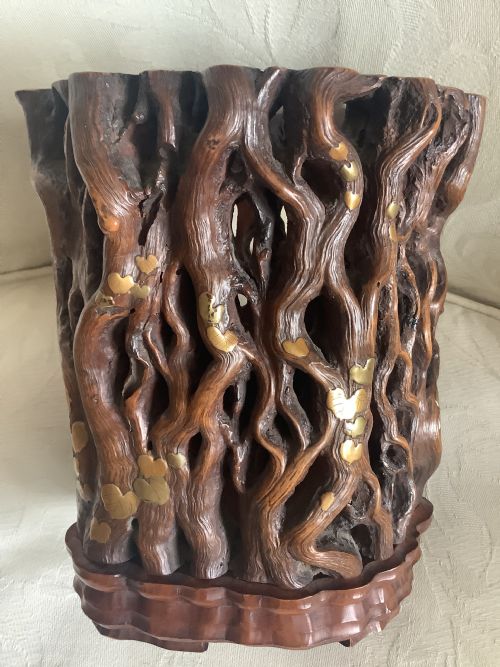
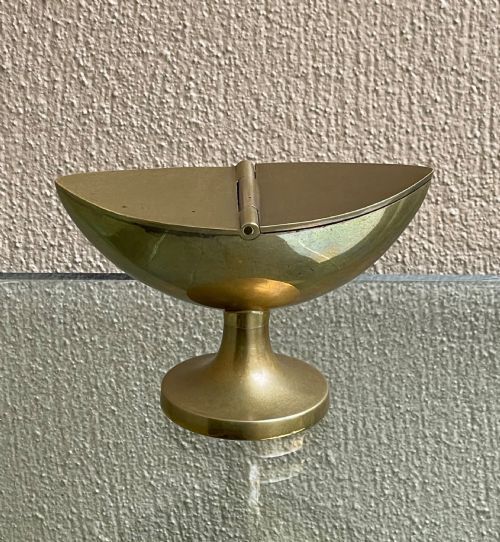
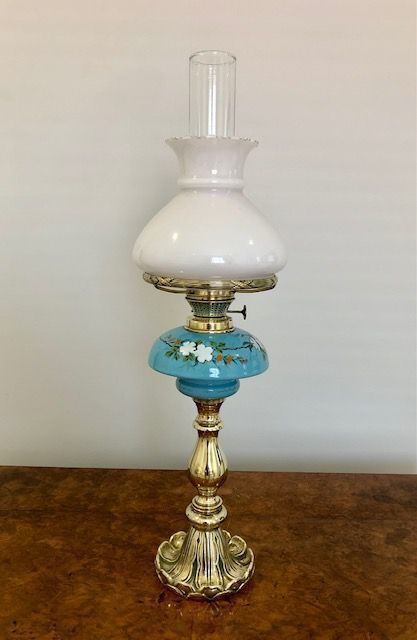
Brass table accessories encompass a diverse range of functional objects designed for desks, smoking rooms, and studies. When searching for brass table accessories, buyers encounter items such as brush pots, snuff boxes, table bells, oil lamps, desk accessories, cigar lighters, and pipe stands.
The pieces available span multiple periods, notably the Georgian, Victorian, Edwardian, and Art Nouveau eras. Alongside pure brass, these objects frequently incorporate materials such as oak, mahogany, glass, and silver plate to achieve their finished forms.
Stylistic influences vary significantly across the collection, ranging from traditional Victorian maritime designs and Chinese scholars' studio pieces to the clean geometry of Art Deco. Buyers are most likely to meet everyday desk items and lighting apparatuses produced during the nineteenth and early twentieth centuries.
Materials and construction
Construction relies heavily on cast and sheet brass, frequently combined with hardwoods such as oak and mahogany for bases, stands, and brush pots. Metalwork techniques involve casting, turning, and engraving to produce detailed surfaces on bells, lamp bodies, and lighter mounts.
Glass elements, including opaline glass and magnifying lenses, are integrated into metal mounts to create functional optical and lighting equipment. Secondary materials like silver plate and gilt bronze appear on higher-status decorative items to enrich the surface appearance.
Brass Table Accessories Retail Price Guide 2026
Typical asking prices for brass table accessories among the pieces listed under this phrase on Sellingantiques today, from the lower quarter to the upper quarter. They describe what is for sale here now, not the wider market.
Listings feature items from the Georgian, Victorian, and Edwardian periods, constructed in brass, oak, mahogany, and opaline glass.
Judging quality
Quality in these items is determined by the crispness of the casting and the precision of any hand-engraving on the brass surface. Superior examples demonstrate substantial weight in the metal and tight, secure joints where brass meets wood or glass.
Design distinction separates standard utilitarian pieces from those bearing specific artistic attribution or sophisticated period styling, such as Art Nouveau or Chinese scholars' studio forms. The integration of secondary materials, such as well-figured hardwood stands or clear opaline glass, further elevates a piece.
Jan Eisenlöffel·WMF·Asprey Of London
The Brass Table Accessories Glossary
- Navette
- A boat-shaped decorative form tapering to two points at either end. This profile is frequently seen on Georgian snuff boxes.
- Opaline glass
- An opaque or translucent glass, often in white or pastel shades, used for decorative vessels and lamp bodies. It diffuses light softly.
- Bullseye lens
- A thick, concentrated convex lens mounted in a frame, designed to focus light or magnify text. These are typically mounted on pivoting brass stands.
- Spelter
- A zinc alloy used as a cost-effective substitute for bronze in decorative casting. It is often patinated to resemble darker metals.
Brass Table Accessories: Frequently Asked Questions
What are brass table accessories?
These items are functional and decorative objects meant for desk and tabletop use. They include bells, lighters, inkstands, and lighting.
They reflect the domestic and professional habits of the nineteenth and early twentieth centuries.
How were desk bells used?
Desk bells served to summon household staff or colleagues in offices and large homes. They were placed prominently on writing surfaces for easy access.
Most feature a spring-loaded plunger or a clapper mechanism mounted on an ornate base.
How do I care for brass?
Brass requires minimal intervention to preserve its natural ageing and patination. Dusting with a soft cloth prevents the buildup of grime.
Avoid harsh chemical polishes that strip away historical surface character and age.