
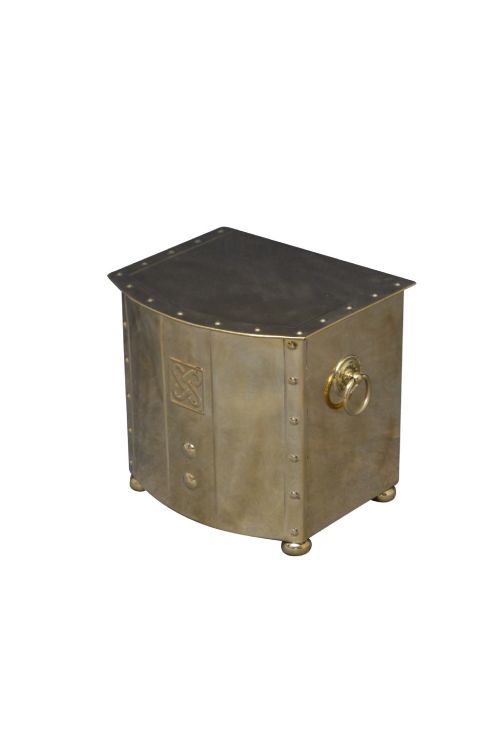


Brass Rivet Scuttle
A brass rivet scuttle is a sturdy hearth container built to hold solid fuel, combining functional metalwork with decorative domestic utility.
Brass Rivet Scuttle
A brass rivet scuttle serves the hearth as a practical container for coal, logs, or kindling. The examples found here span the eighteenth century, the Victorian era, and the early twentieth century.
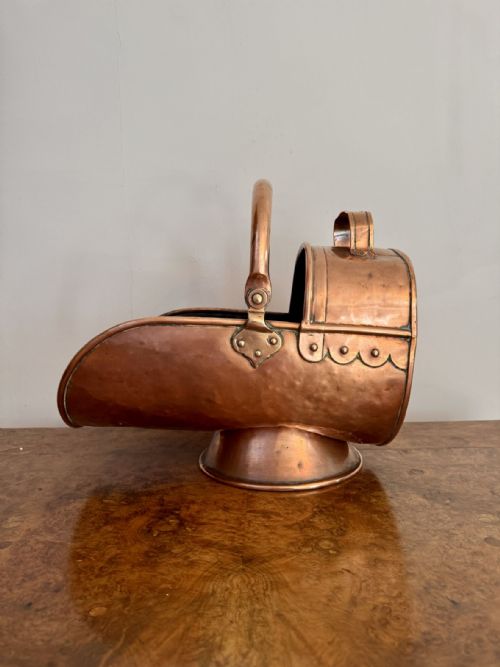
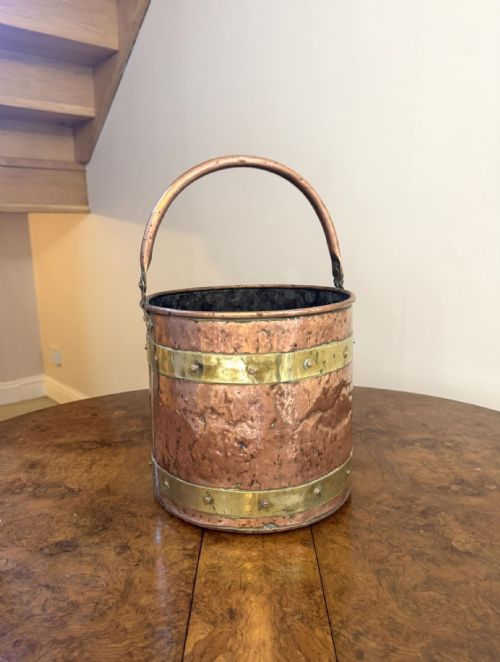
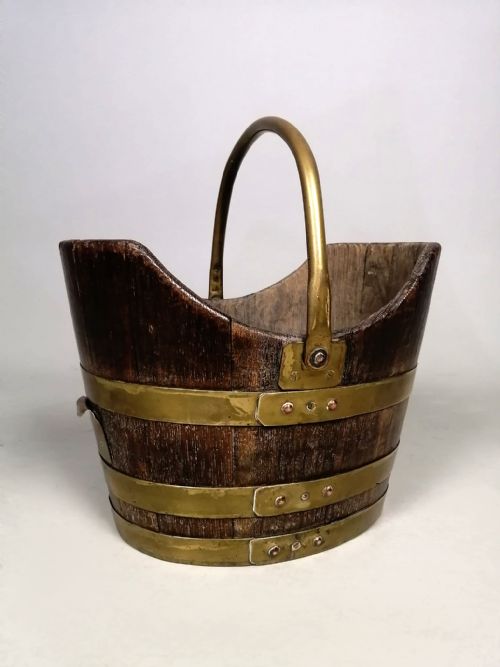
Most pieces date from the nineteenth century, taking the form of copper buckets, coal hods, and banded log bins. Makers combined copper bodies with brass handles, rims, and structural rivets.
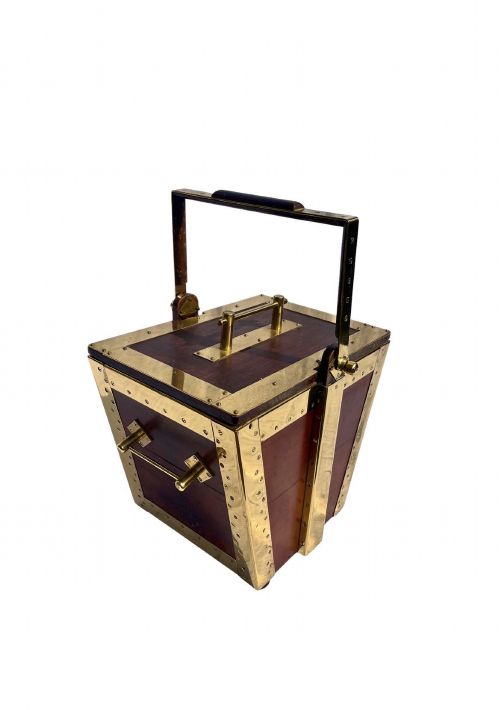
Beyond traditional fireside use, some larger vessels double as planters or jardinieres. The selection encompasses plain metal boxes as well as decorative items featuring brass bands and riveted construction.
How they were made
Artisans hammered and shaped sheet copper and iron to form the main body of each scuttle. Brass bands and visible rivets were then applied to reinforce the structure and secure the handles.
Handles and feet frequently utilise cast brass, attached firmly to the metal body to withstand daily lifting of heavy fuel. Wood components such as oak and mahogany occasionally appear in specific box designs or handles.
Some coal scuttles spent a retirement holding potted ferns instead of soot.
What varies in quality
Quality rests in the weight of the metal and the precision of the riveted joints. Heavier gauge copper and solid brass mountings distinguish superior vessels from lighter, plated alternatives.
Detailing on the handles, bands, and lid fittings separates standard utility items from finer decorative examples. Original patination and structural integrity define the standing of each piece.
The Brass Rivet Scuttle Glossary
- Scuttle
- A metal container designed for holding and carrying coal to the fire. These vessels typically feature a wide mouth and a sturdy swing handle.
- Riveted
- Joined together using metal pins hammered flat at the ends. This technique provides both structural strength and a distinct decorative border.
- Jardiniere
- An ornamental pot or receptacle used for holding plants or flowers. Several copper and brass vessels on this page serve this secondary purpose.
- Hod
- A deep V-shaped or sloping coal container with a handle at the back and a narrow spout at the front. This form directs fuel cleanly into the grate.
- Band
- A flat strip of metal wrapped around the exterior of a bucket or bin. Brass bands add reinforcement and contrast against a copper body.
Brass Rivet Scuttle: Frequently Asked Questions
What is a brass rivet scuttle?
A brass rivet scuttle is a fireside container used for storing and transporting coal or logs. These vessels feature metal construction secured with visible brass rivets.
They combine practical utility with decorative metalwork, often pairing a copper body with brass bands and handles.
How were these scuttles used?
Households used them beside the fireplace to keep a supply of coal or wood close at hand. The sturdy handles allowed homeowners to carry fuel from storage areas directly to the hearth.
Many examples also functioned as log bins or decorative jardinieres for large plants within the reception room.
How do I date a copper coal bucket?
Dating relies on stylistic clues, construction methods, and materials recorded in the specific listing. Pieces from the eighteenth and nineteenth centuries often display hand-beaten copper and heavy brass bands.
Later twentieth-century examples introduce different metal plating techniques and simpler box forms associated with the Art Deco period.
Can I use an antique scuttle for logs?
Yes, many buyers utilise these metal buckets and bins for holding firewood beside a modern or working fireplace. Their robust construction of copper, brass, and iron suits the weight of logs.
Checking the interior condition ensures the vessel is clean and ready for domestic fuel storage.