

Brass Reading Desk
These brass reading desk pieces combine functional utility with period metalwork, offering focused illumination and steady support for books.
Brass Reading Desk
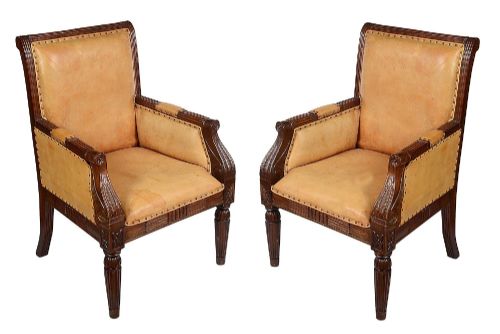
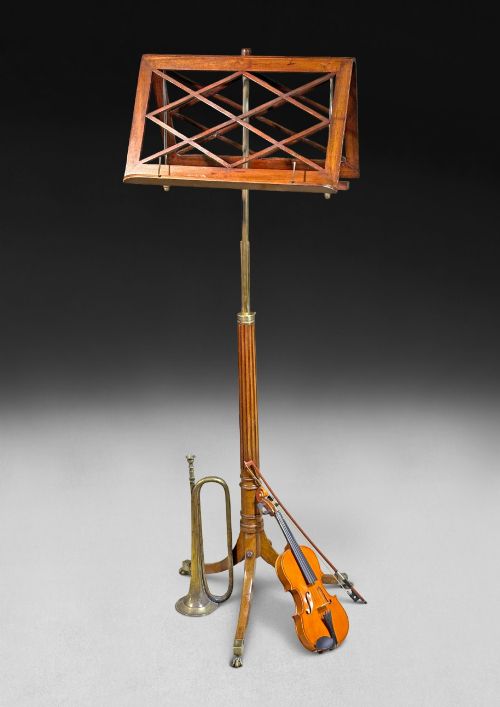
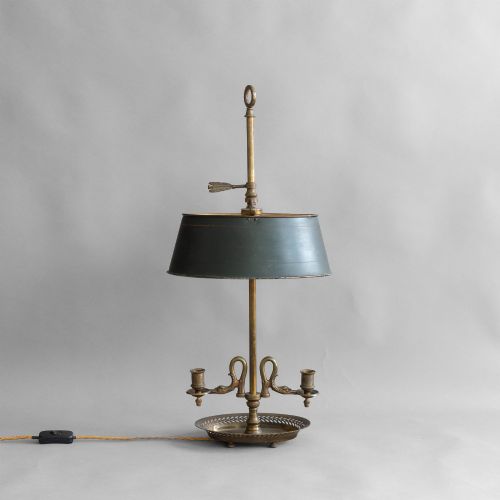
When you search for a brass reading desk, you encounter a selection of lighting, stands, and seating designed for study and illumination. The offerings include adjustable lamps, music stands, and library chairs equipped with reading surfaces from the nineteenth and twentieth centuries.
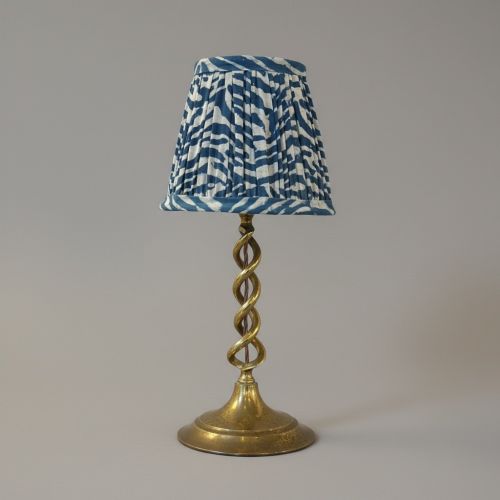
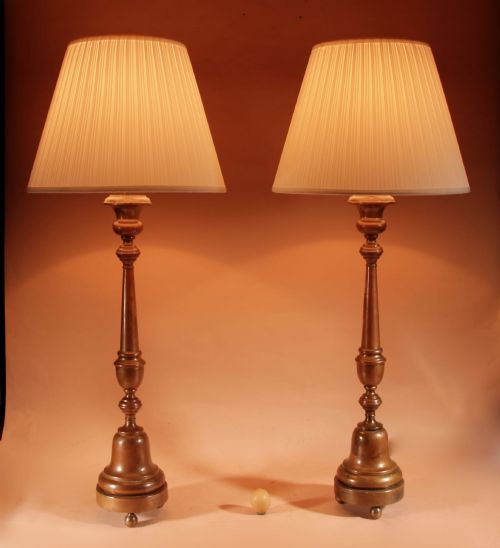
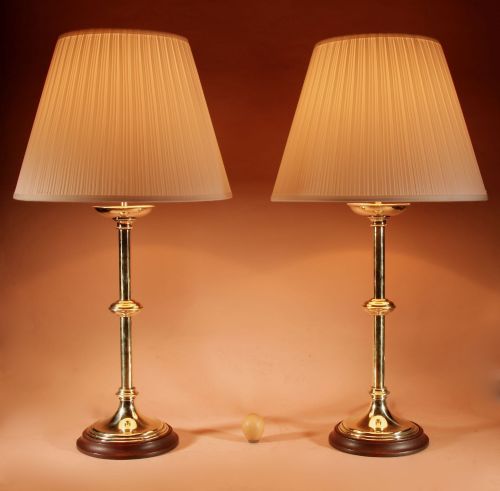
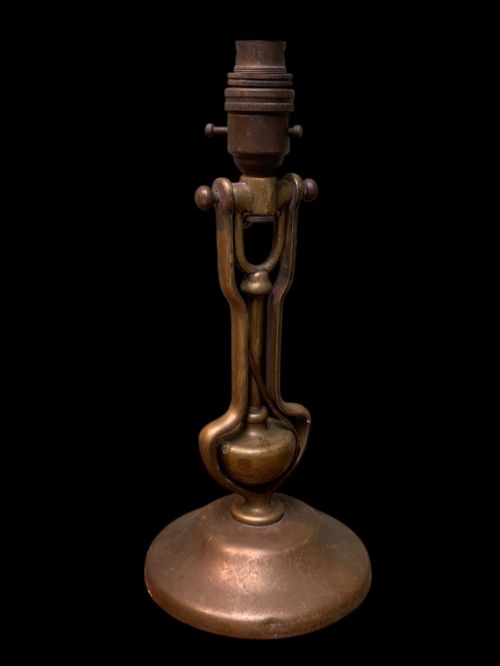
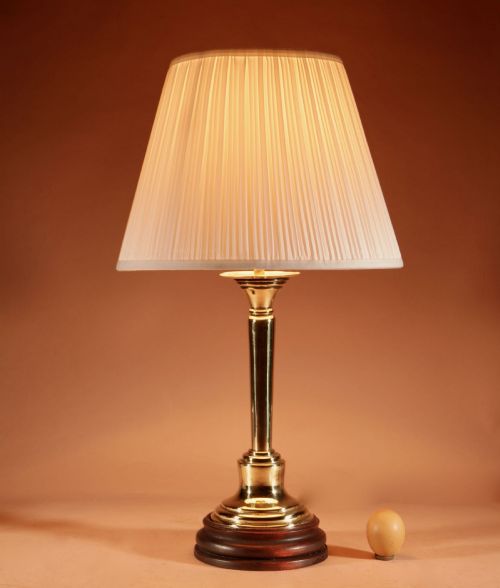
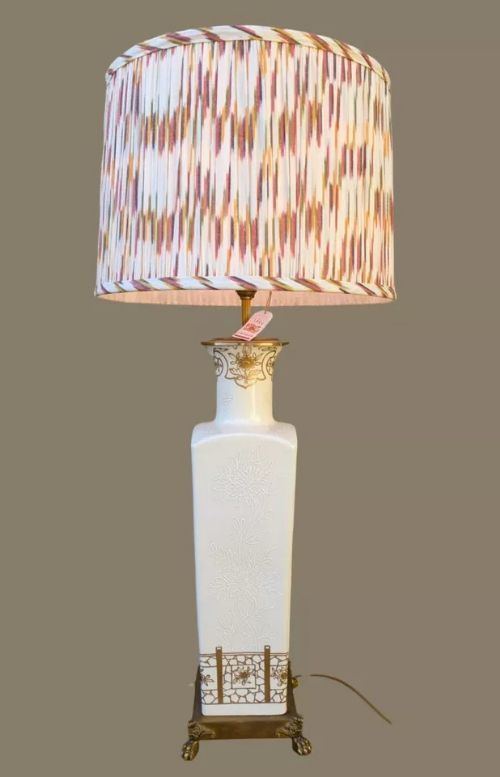
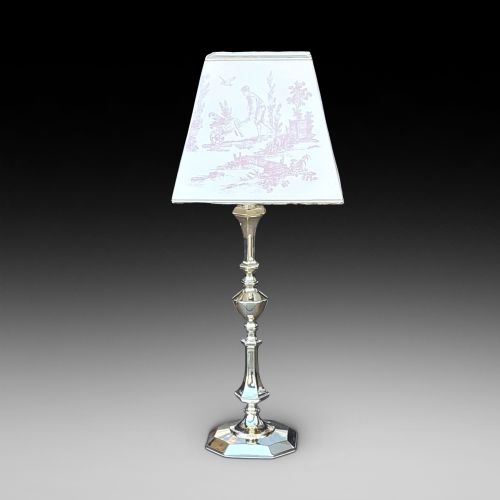
The most frequent examples on this page are table lamps and desk accessories shaped from cast brass, alongside reading stands and library chairs featuring mahogany, leather, and occasional fabric elements. Pieces span Victorian, Edwardian, Regency, and Art Deco styles, reflecting the domestic habits of past eras.
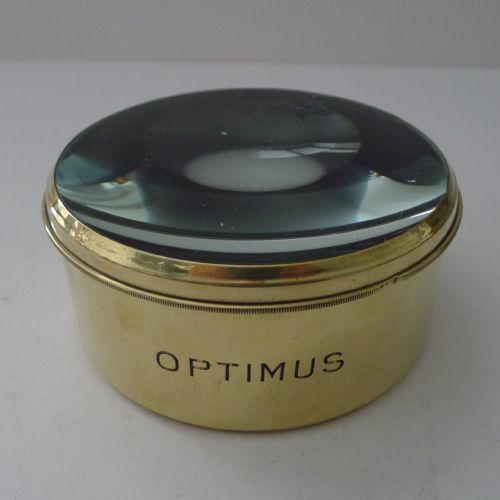
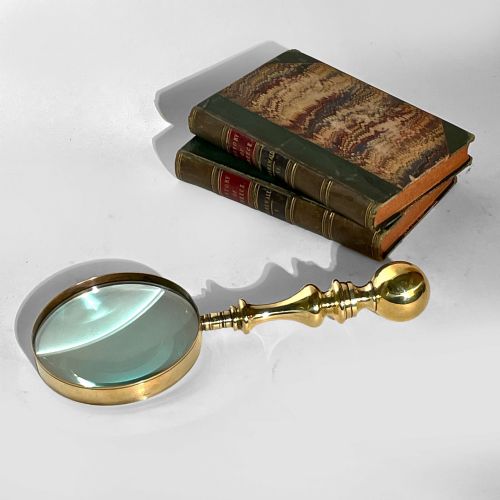
Makers and designers of the period adapted these forms for specific tasks, producing student lamps, Pullman lamps, and heavy magnifying glasses. Each object serves a distinct purpose related to reading, writing, or desk organisation.
Materials and construction of period metalwork
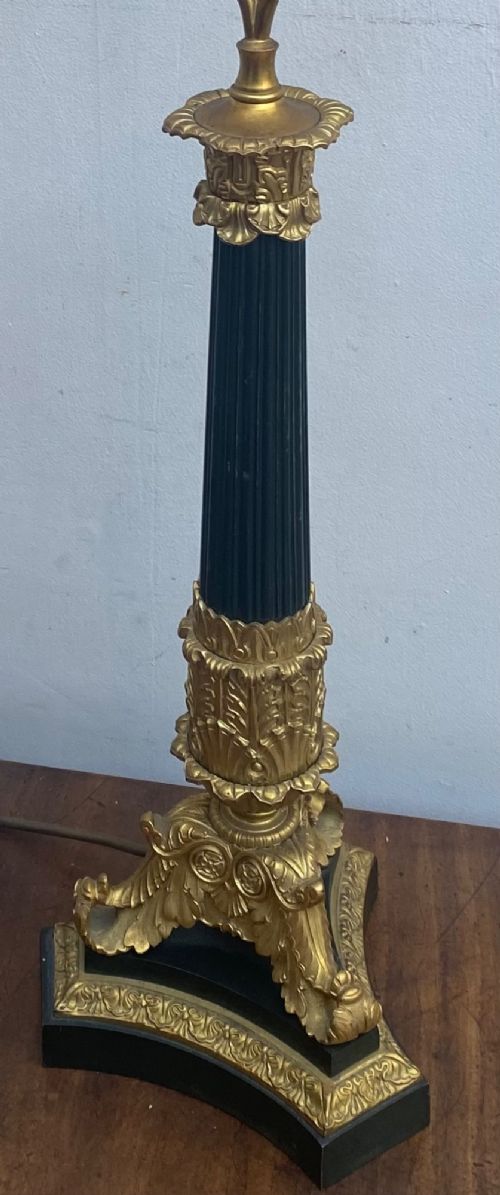
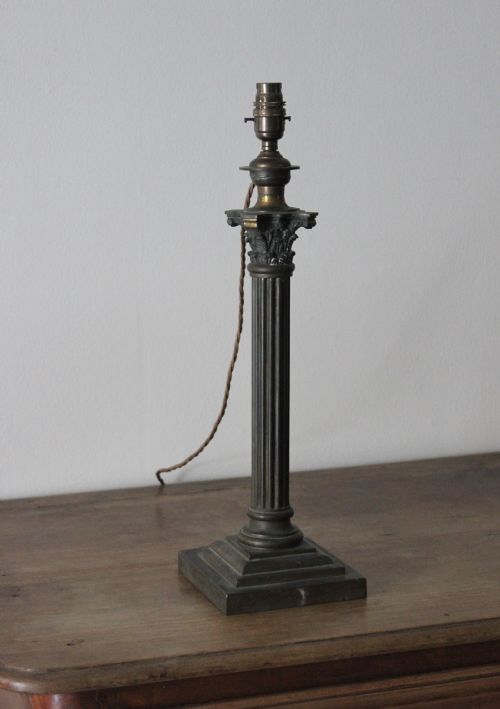
Metalwork forms the core of these pieces, utilising cast brass, patinated brass, and gilt bronze. Workshops shaped columns, bases, and fittings through casting and turning, often incorporating reeded details or Corinthian capitals.
Wood and leather frequently accompany the metal, particularly in library chairs, reading stands, and occasional tables constructed from mahogany, rosewood, and walnut. Caning, fabric, and glass lenses appear where utility requires a softer texture or a clear magnified view.
Brass Reading Desk Retail Price Guide 2026
Typical asking prices for brass reading desk among the pieces listed under this phrase on Sellingantiques today, from the lower quarter to the upper quarter. They describe what is for sale here now, not the wider market.
Some student lamps arrived complete with secret compartments for spare wick trimmers and matches.
Distinctions in execution and material weight
Quality reveals itself in the heft of the metal and the crispness of the cast details. Heavy cast brass bases and sharply rendered acanthus or Corinthian motifs distinguish superior examples from lighter, simpler pressings.
The integration of mixed materials also defines the grade of a piece, such as the seamless mounting of glass lenses, finely grained mahogany timbers, or well-fitted leather panels on reading surfaces.
Hindley And Sons·W A S Benson
The Brass Reading Desk Glossary
- Cast brass
- Metal poured into a mould to create solid, highly detailed components. This technique allows for complex ornamentation such as fluting or classical capitals.
- Bergere chair
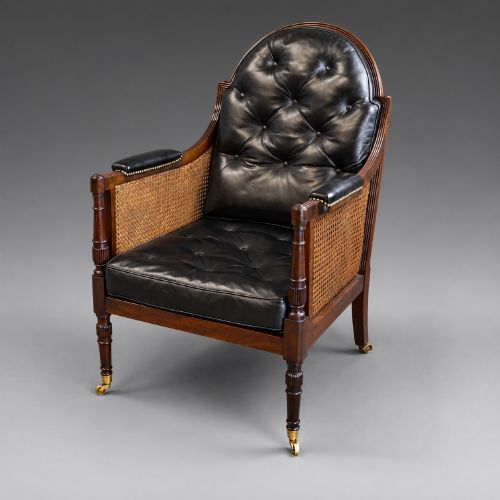
- An enclosed armchair with a wooden frame and woven cane sides and back. It often appears alongside reading accessories in period libraries.
- Corinthian column
- A classical architectural column style featuring ornate carved capitals decorated with acanthus leaves. It frequently serves as the stem for period table lamps.
- Pullman lamp
- A compact lighting fixture originally designed for confined spaces on trains or ships. These lamps typically feature adjustable shades and sturdy brass construction.
Brass Reading Desk: Frequently Asked Questions
How do I date a brass lamp?
Examine the wiring methods, switch types, and casting marks present on the metal components. Styles such as Gothic Revival or Art Deco offer clear stylistic clues tied to specific decades.
Compare the construction of the base and collar with dated examples from Victorian or Edwardian periods. Heavier castings and specific patination often point to earlier manufacturing techniques.
What is a student lamp?
A student lamp is a specialised task light designed to provide focused illumination for reading or writing. These lamps frequently include auxiliary implements or adjustable arms.
They emerged to help scholars and readers direct light precisely onto texts. The inclusion of original implements adds practical authenticity to the piece.
How were library chairs used?
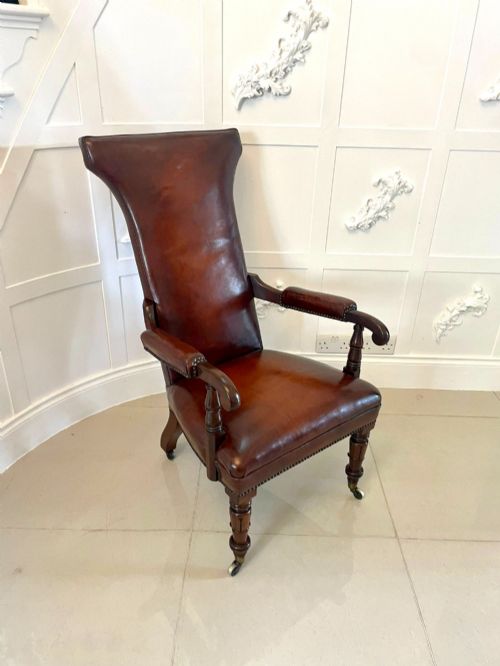
Library chairs provided comfortable seating for long hours of reading, often incorporating attached reading stands, ledges, or swivelling arms. They sat in studies alongside desks and book cabinets.
Owners used them to hold heavy folios, newspapers, or correspondence close at hand. The combination of timber frames and leather upholstery supported daily domestic study.