

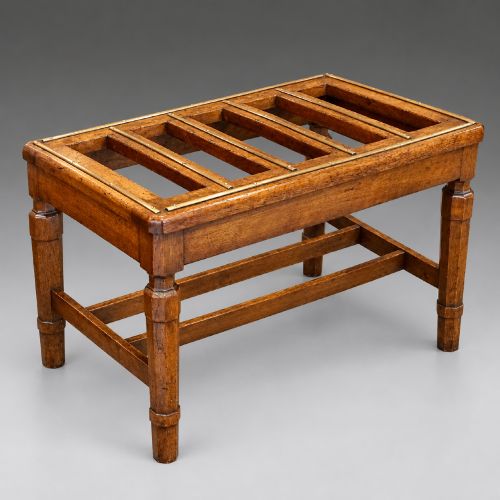
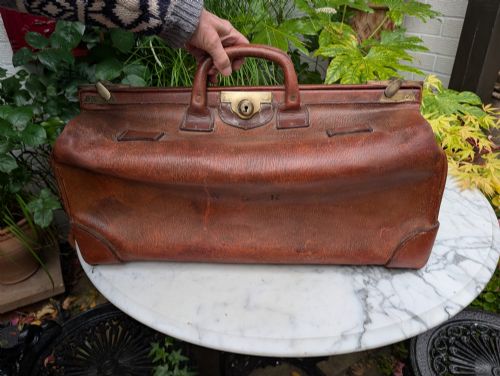
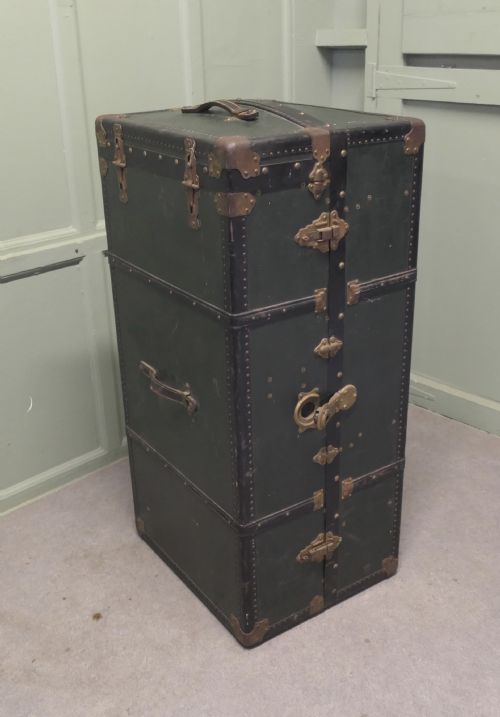
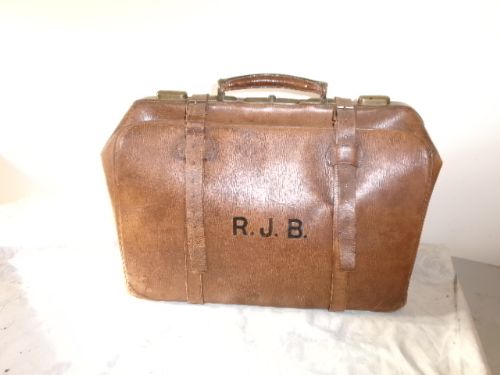


Brass Portmanteau
These brass portmanteau pieces offer solid metal framework and period travel utility, bringing genuine nineteenth and early twentieth century character into a modern interior.
Brass Portmanteau
A brass portmanteau typically presents as a sturdy wall-mounted fixture, often combining heavy metal brackets with hooks, or as a mirrored luggage rack designed for hallway and entryway use. When you search for a brass portmanteau, you encounter hardware that served practical travel and cloakroom functions in Victorian and Edwardian homes.
Makers and retailers such as Finnigan's Manchester and C Antrobus also blur the line between travel luggage and fitted cases, though the wall-mounted brass portmanteau remains the distinct architectural form tied to this specific search.
How they were made
Construction relies heavily on cast and formed brass, paired with original mirror plates and iron or steel reinforcement where structural support is required. Metal components are frequently joined to timber backboards or mounted directly via robust wall brackets.
Finishing techniques focus on durable patination, utilising the natural ageing properties of brass and bronze alongside bevelled mirror glass. The integration of scalloped hooks and extended triple brackets demonstrates functional metalwork designed to bear heavy garments and travel gear.
Brass Portmanteau Retail Price Guide 2026
Typical asking prices for brass portmanteau among the pieces listed under this phrase on Sellingantiques today, from the lower quarter to the upper quarter. They describe what is for sale here now, not the wider market.
Listings on this site show brass portmanteau pieces and related travel items spanning the Victorian era, 1890, 1900, and the Edwardian period.
What varies in quality
Quality separates ordinary utility hardware from finer decorative examples through the weight of the brass casting and the intricacy of the bracket shaping. Substantial metal thickness and well-defined scalloped hooks indicate superior original manufacture.
The presence of original mirror plates, uncompromised mounting points, and intact maker attribution or retailer stamps elevate certain pieces. Simpler functional racks sit at the lower end, while substantial mirrored frames with extended brackets represent the upper tier of the range.
Finnigan's Manchester·C Antrobus·Finnegans of Bond Street London·A W Insall
The Brass Portmanteau Glossary
- Portmanteau
- Originally a large travelling bag for carrying clothes, the term also extends to wall-mounted hall stands and luggage racks incorporating brass framing and hooks. These fixtures organised garments in domestic entryways.
- Campaign trunk
- Portable furniture designed for military officers or travellers, built with reinforced metal corners and carrying handles for frequent transit. These items prioritize sturdy construction and practical folding mechanisms.
- Edwardian
- The period spanning the reign of King Edward VII from 1901 to 1910, characterised by lighter interior aesthetics and refined domestic hardware. Pieces from this era often refine heavier Victorian forms.
- Victorian
- Spanning the reign of Queen Victoria from 1837 to 1901, marked by robust construction and utilitarian design. Metalwork from this time emphasises durability and practical function.
- Mirrored portmanteau
- A wall-mounted hall fixture incorporating a central looking glass alongside brass coat hooks and hat racks. This combination served entryways for final adjustments to attire before departure.
Brass Portmanteau: Frequently Asked Questions
What is a brass portmanteau?
A brass portmanteau is typically a wall-mounted hallway fixture featuring heavy metal brackets, hooks, and sometimes a mirrored plate for hanging coats and hats. The form originates from the Victorian and Edwardian periods when robust metal hardware equipped domestic entryways and travel spaces.
These pieces combine structural utility with decorative metalwork, utilising cast brass to support heavy garments and accessories in daily use.
How were these pieces used?
They were mounted in hallways, bedrooms, or entrance lobbies to hold coats, hats, and travelling gear. The inclusion of mirrors in certain designs allowed individuals to check their appearance before leaving the house.
Their sturdy construction handled the weight of heavy wool overcoats and Gladstone bags, serving as permanent domestic fixtures derived from travel equipment.
How do I date a brass portmanteau?
Dating relies on stylistic markers, manufacturing techniques, and any retailer stamps or maker attributions present on the metal or wood. Victorian examples tend to display heavier, more utilitarian casting, while Edwardian pieces often incorporate lighter decorative touches and refined bracket shapes.
Examining the screws, the composition of the brass, and the backing materials helps place the piece within the late nineteenth or early twentieth century.
How do I install a wall-mounted rack safely?
Installation requires securing the heavy brass brackets directly into wall studs or using appropriate heavy-duty masonry fixings. Because these items are cast in solid brass and often support considerable weight, reliable anchoring is essential for safety.
Check the existing screw holes and ensure the mounting surface can bear the combined load of the metal frame and garments hung upon it.