



Brass Pendulum Hall Clock
A brass pendulum hall clock brings grand vertical presence and precise mechanical rhythm to a hallway, marking time with traditional weight or spring drives.
Brass Pendulum Hall Clock
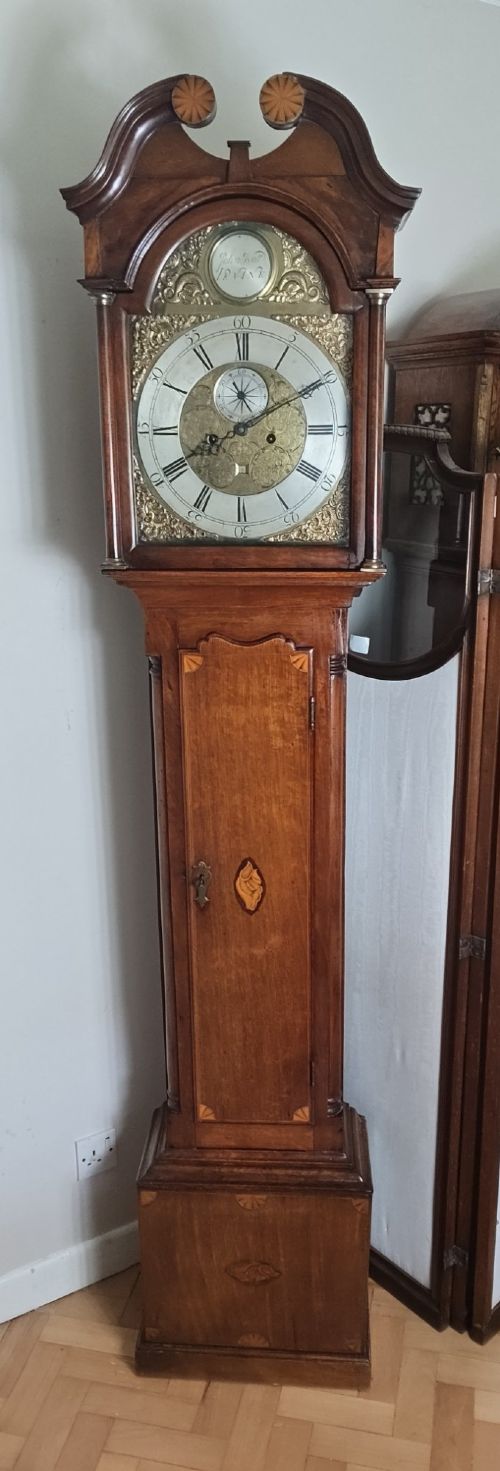
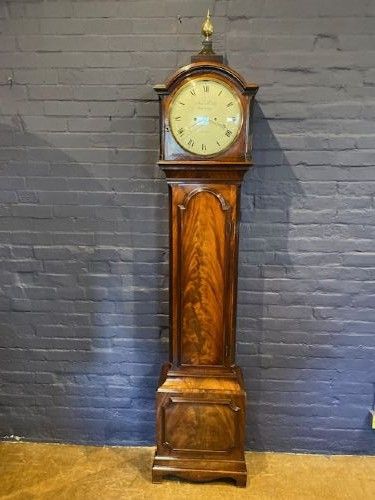
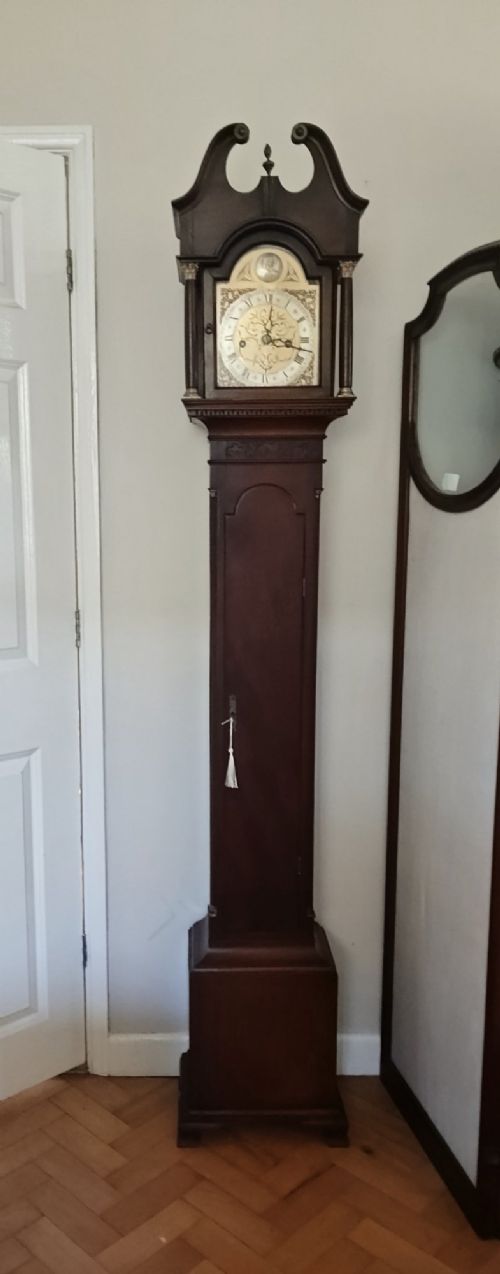
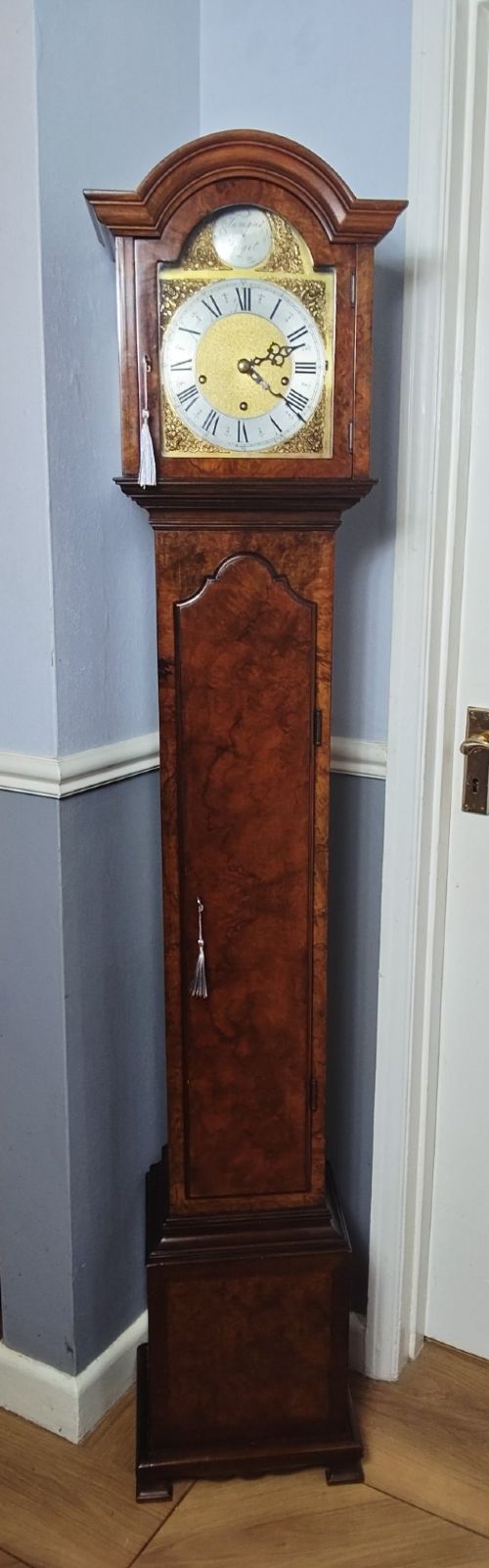
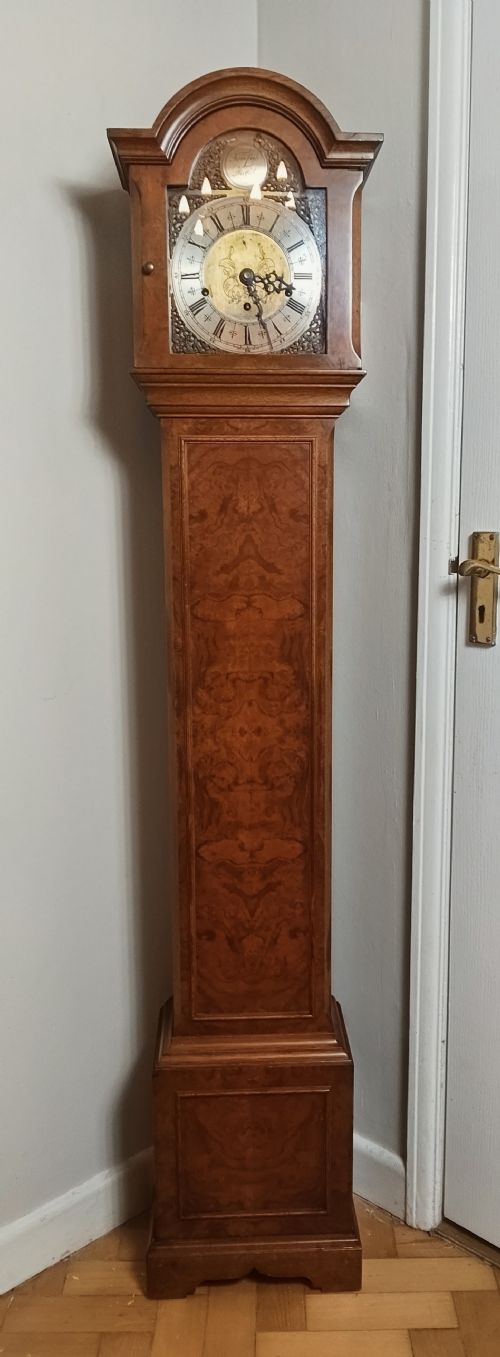
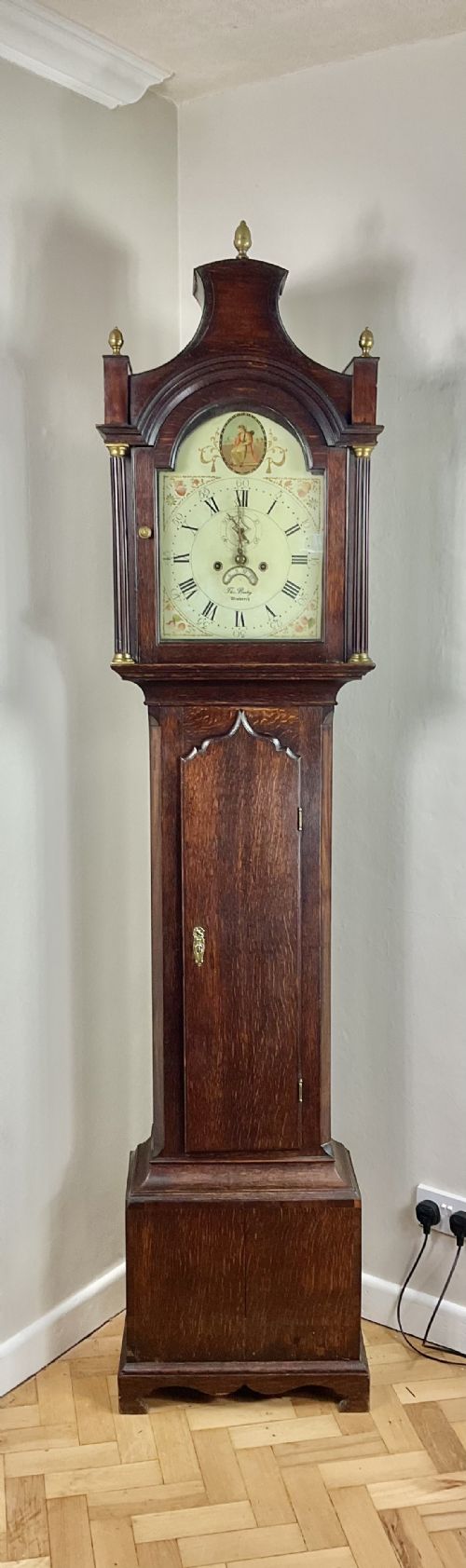
A brass pendulum hall clock encompasses tall case clocks ranging from substantial eighteenth-century oak examples to slender Edwardian and twentieth-century grandmother clocks.
The pieces appearing most frequently on this page are nineteenth-century and Edwardian mahogany or oak longcase clocks, alongside smaller twentieth-century walnut models.
Originating primarily from British workshops, these timepieces combine architectural timber cases with brass dials and visible swinging pendulums.
Materials and Construction
Cabinetmakers constructed the tall housing using solid and veneered timbers including mahogany, oak, walnut, and burr walnut, frequently embellished with inlaid satinwood or marquetry details.
Mechanisms rely on brass gear trains, steel pivots, and suspended pendulums, housed behind glazed doors that protect the brass dial faces.
Certain slim models are specifically built narrow enough to squeeze into awkward Victorian corridors without clipping passing shoulders.
Assessing Craftsmanship
Quality rests in the proportion and timber selection of the case, where finely figured grain and crisp stringing distinguish superior examples from plain utility pieces.
The sophistication of the movement dictates the standing of the clock, ranging from simple time-only setups to quarter-chiming musical mechanisms produced by established makers.
James McCabe·John Wylde Nottingham·Dwerrihouse and Carter·Richard Northen·JJ Elliot
The Brass Pendulum Hall Clock Glossary
- Longcase clock
- A tall pendulum clock enclosed in a wooden case standing directly on the floor. These are frequently referred to as grandfather clocks.
- Grandmother clock
- A smaller, more slender version of the longcase clock, typically produced during the twentieth century to fit lower ceilings.
- Grandfather clock
- A traditional term for a full-sized floor-standing longcase clock, usually housing an eight-day movement.
- Quarter chiming
- A mechanical capability allowing the clock to play a melodic sequence of chimes every fifteen minutes.
- Fusee
- A conical pulley used in clock movements to maintain an even pull on the gear train as the drive spring unwinds.
Brass Pendulum Hall Clock: Frequently Asked Questions
What is a grandmother clock?
A grandmother clock is a smaller, scaled-down version of the traditional longcase clock. These compact pieces were designed to occupy less floor space while retaining mechanical brass movements.
They appear frequently in twentieth-century walnut and oak variations, offering the presence of a tall clock in tighter domestic interiors.
How do eight-day clocks work?
An eight-day movement requires winding approximately once a week using a key inserted through the dial face. Weights suspended on lines or spring barrels drive the gear train.
This system provides reliable timekeeping and often powers hourly strikes or quarter chimes.
How do I date a longcase clock?
Dating relies on combining stylistic clues from the wooden case with signatures inscribed on the brass dial. Georgian and Victorian examples show distinct timber choices and architectural proportions.
Cabinet construction methods and dial engraving styles evolve clearly from the eighteenth century into the Edwardian era.
Where should I place a hall clock?
These tall timepieces require a stable, level floor and enough vertical clearance to accommodate the case height. Hallways and landings provide traditional placement where the pendulum swing remains undisturbed.
Keeping the clock away from direct heat sources helps preserve the stability of antique mahogany and oak veneers.