

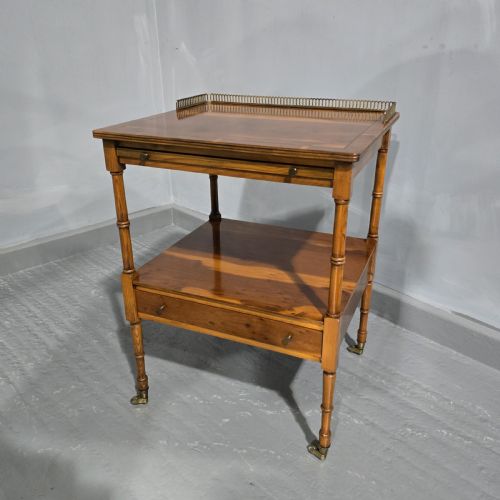
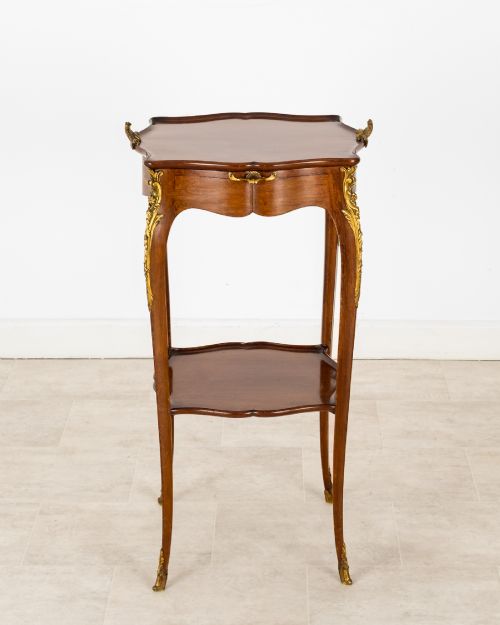
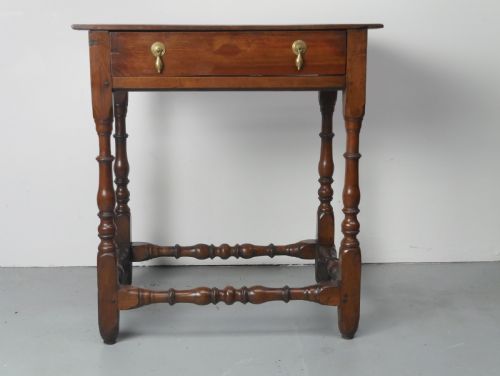


Brass Nightstand Lamp
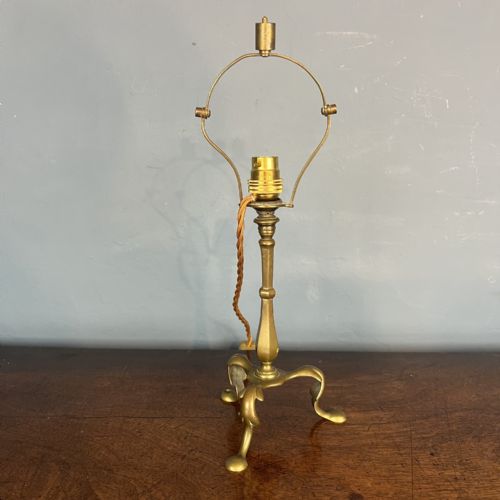
A brass nightstand lamp provides focused bedside illumination while adding a touch of period metalwork to a room.
Brass Nightstand Lamp
A brass nightstand lamp unites utilitarian bedside lighting with decorative metal framing, drawing from designs spanning the Victorian era through the 1930s. When exploring this selection, buyers encounter specific forms such as adjustable Pullman lamps, cast animal motifs, and converted oil fixtures paired with wood or marble tables.
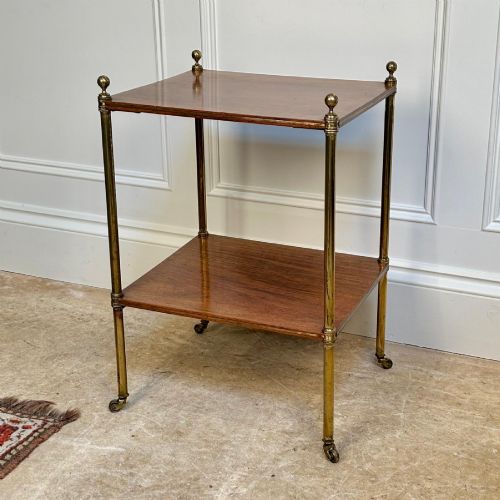
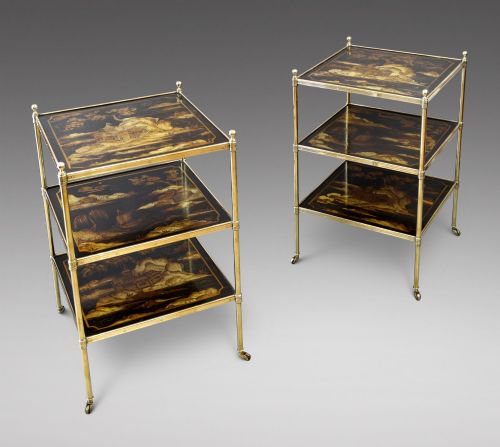
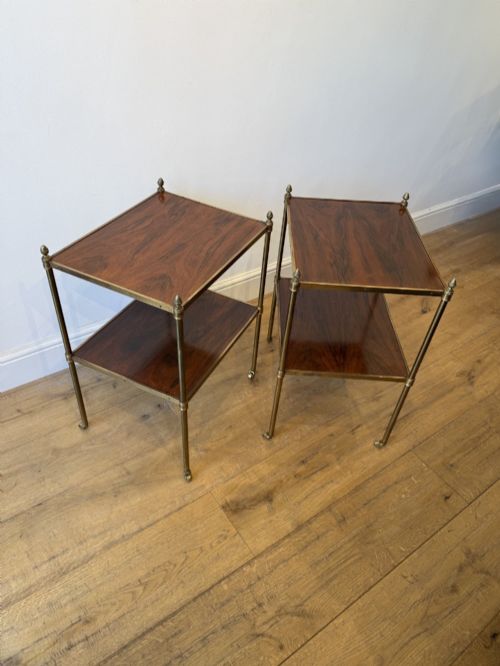
The assortment relies heavily on early twentieth-century production alongside nineteenth-century pieces, reflecting Edwardian, Regency, and Arts and Crafts sensibilities. These lighting options frequently appear alongside side tables, etageres, and bedside cabinets fashioned from mahogany, rosewood, and glass.
How they were made
Construction methods combine metal casting with cabinetry, utilising solid brass, gilt bronze, and copper alongside secondary woods like mahogany, rosewood, and oak. Artisans employed surface treatments such as ebonising, lacquer, and ormolu mounts to enrich the primary structures.
Lighting components incorporate frosted or cut glass elements, while structural furniture relies on traditional joinery, drop leaves, and tiered shelving. Metal fittings are cast, chased, and occasionally patinated to achieve distinct industrial or domestic finishes.
Brass Nightstand Lamp Retail Price Guide 2026
Typical asking prices for brass nightstand lamp among the pieces listed under this phrase on Sellingantiques today, from the lower quarter to the upper quarter. They describe what is for sale here now, not the wider market.
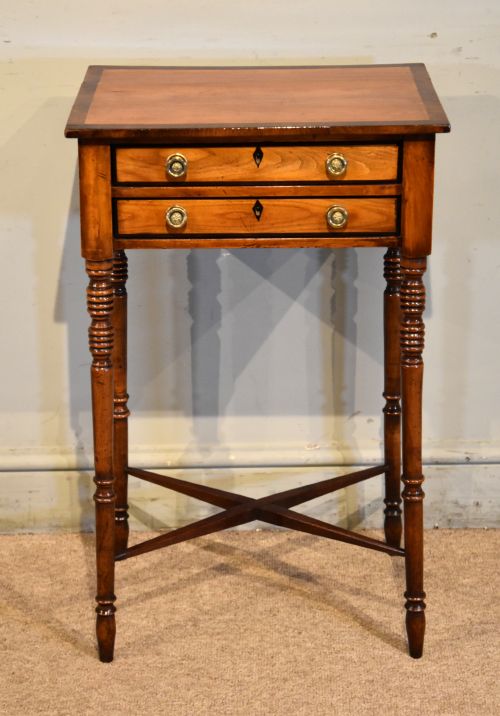
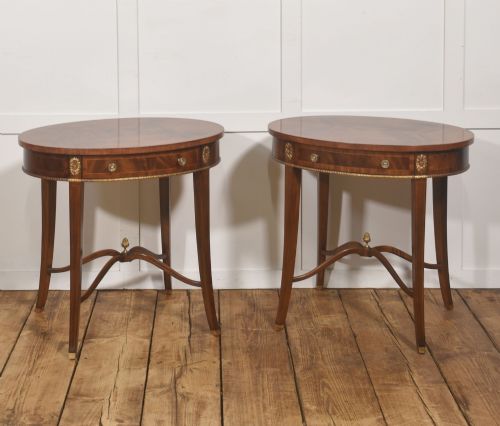
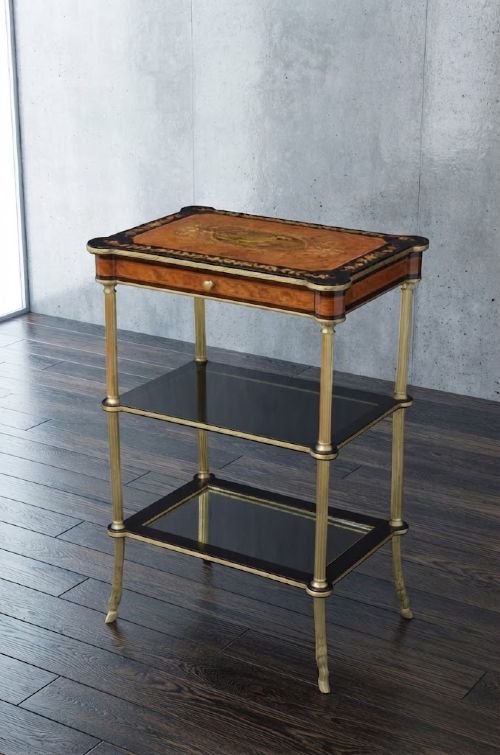
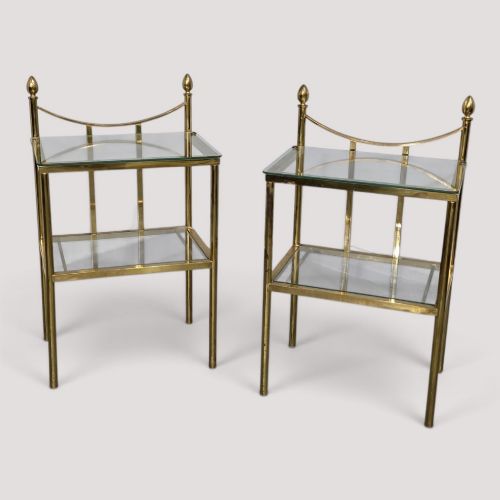
Object forms span table lamps, Pullman reading lights, etageres, bedside cabinets, and drop-leaf occasional tables.
What varies in quality
Quality separates mass manufacturing from workshop craftsmanship through the crispness of brass casting, the depth of bronze chasing, and the selection of cabinet timbers. Superior examples exhibit substantial metal gauge and precise detailing in figural elements like eagles, serpents, or cherubs.
The integrity of secondary materials, including the clarity of cut crystal glass and the preservation of original lacquer or ebonised surfaces, dictates the standing of each piece. Integration between the lamp housing and the supporting table or base determines structural cohesion.
W A S Benson·Mallett·François Linke
The Brass Nightstand Lamp Glossary
- Ormolu
- Gilt bronze ornamentation applied to furniture and lighting fixtures. This technique was widely utilised in French nineteenth-century cabinet making to accent mahogany and kingwood surfaces.
- Pullman lamp
- A compact, adjustable reading light designed for tight spaces such as railway carriages or cabins. These fixtures often feature heavy brass construction and pivoting arms.
- Etagere
- An open shelving unit designed for displaying small objects or lighting. These pieces frequently incorporate multiple tiers supported by slender brass or wooden uprights.
- Cloisonne
- An enamelwork technique where metal wire creates cells that are filled with coloured paste and fired. This decorative method appears on select nineteenth-century imported table lamps.
- Kingwood
- A dense, richly figured exotic timber utilised in high-end cabinet making during the nineteenth and early twentieth centuries.
Brass Nightstand Lamp: Frequently Asked Questions
Where should I place a brass nightstand lamp?
These lamps suit bedside tables, occasional chests, and compact side surfaces where directional lighting is required. They pair naturally with mahogany, oak, and marble furniture.
Position the fixture to allow adequate clearance for reading and switching the lamp on and off without disturbing surrounding items.
How do I identify an Edwardian lamp?
Edwardian lighting and furniture often display lighter proportions, simpler lines, and restrained decorative brass mounts compared to heavier Victorian counterparts. Look for refined use of golden oak, rosewood, and polished brass.
Makers from this era frequently produced versatile items suited for domestic bedrooms and sitting rooms.
Can I use modern bulbs in these lamps?
Most antique and vintage fixtures accommodate contemporary low-heat bulbs, though older wiring configurations may require professional rewiring by a qualified electrician to meet modern safety standards.
Check the lamp holder and cord condition before daily use to ensure proper electrical operation.
What maintenance do brass and wood surfaces need?
Maintain brass components with a soft dry cloth to preserve the metal patina, avoiding abrasive chemical cleaners that strip historical finishes. Wood surfaces benefit from occasional polishing with appropriate wax.
Keep glass shades clean using mild soapy water and ensure they are thoroughly dried before refitting.