


Brass Low Tea Table
These brass low tea table selections bring together diverse periods and materials to anchor a room.
Brass Low Tea Table
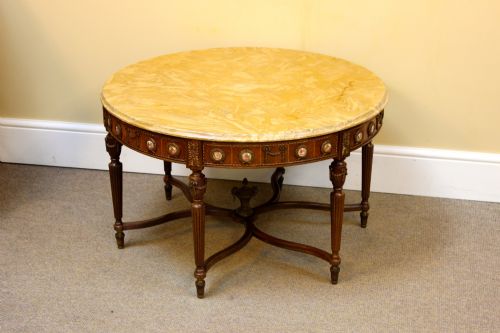
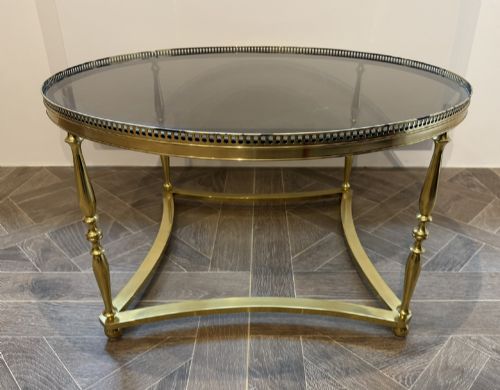
A brass low tea table brings together low surfaces and metallic finishes across multiple decades and design influences. You meet coffee tables and occasional tables spanning the nineteenth century through the 1930s.
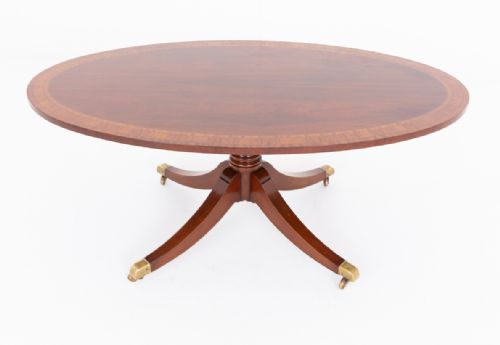
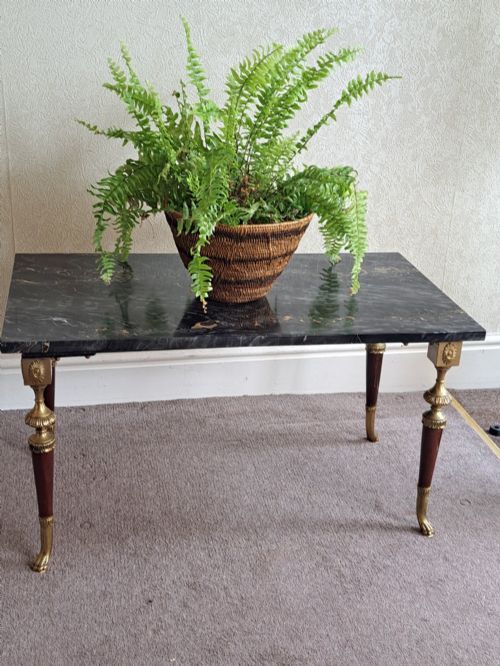
The selections on this page draw from varied origins, including French revival styles, Indian craftsmanship, and English cabinet-making traditions. Forms range from tray tops to marble-topped and inlaid wooden structures.
Makers adapted traditional heights to create low surface options suited to domestic living. The resulting pieces combine metalwork with timber frames, including mahogany, walnut, and black lacquer.
How they were made
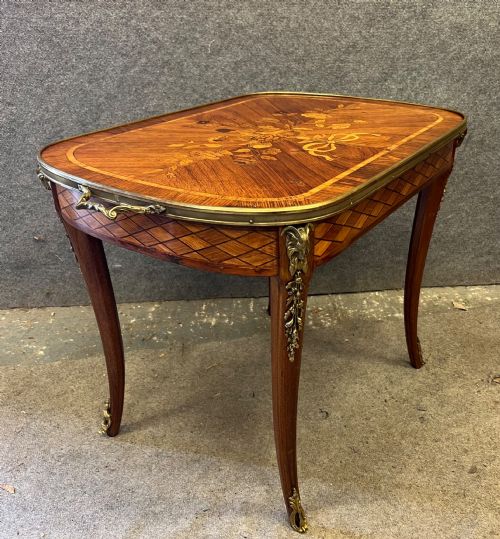
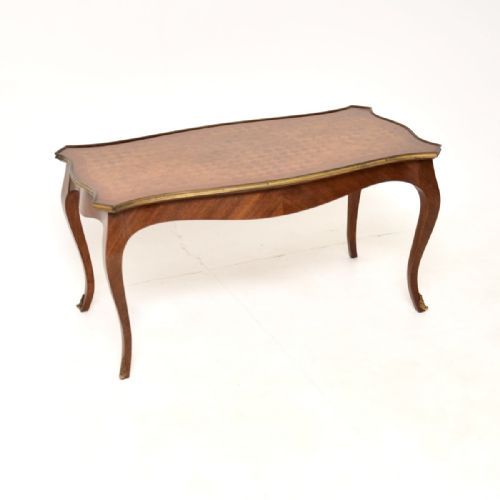
Construction relies on timber foundations such as mahogany, walnut, and hardwood, paired with brass sheet metal, ormolu accents, and inset marble tops. Artisans utilised parquetry, inlay, and black lacquer finishes to decorate surfaces.
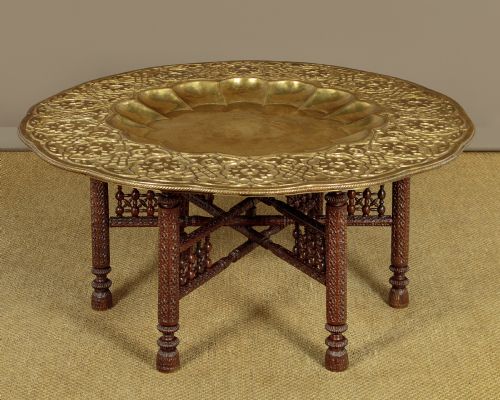
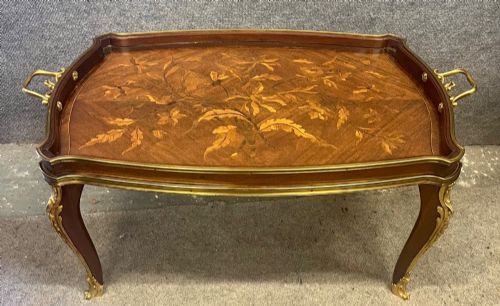
Metalwork elements are integrated into wooden frames, particularly in tray top designs and table edges. Indian pieces exhibit traditional metal working techniques on brass tops supported by folding or fixed wooden stands.
Several tables take inspiration from elephants, bringing an unexpected animal motif directly into the low table category.
What varies in quality
Quality shows in the precision of the timber inlay, the depth of the brass or ormolu detailing, and the integration of stone or marble tops. Superior examples display refined joinery and careful matching of veneers like kingwood and mahogany.
The execution of decorative styles, from French Neoclassical to Anglo-Indian motifs, defines the character of each piece. Better items maintain structural harmony between the metal top and the supporting wooden base.
The Brass Low Tea Table Glossary
- Ormolu
- Gilded bronze or brass mounts applied to furniture. This technique added decorative metallic highlights to wooden surfaces during revival periods.
- Parquetry
- Geometric wood mosaic work used for floors and table tops. Pieces employ contrasting timbers to create patterned surfaces.
- Tray top
- A table top designed with a raised rim resembling a serving tray. This feature helps contain items placed on the surface.
- Chinoiserie
- European decorative style reflecting Chinese artistic traditions. Lacquer work and stylized motifs characterise these designs.
Brass Low Tea Table: Frequently Asked Questions
What is a brass low tea table?
A brass low tea table is a low-set coffee or occasional table featuring a brass top or significant brass mounts. These pieces combine metal surfaces with timber frames.
They serve as central living room surfaces for drinks, books, and decorative objects. Their lower height distinguishes them from traditional dining or tea tables.
How do I date a brass low tea table?
Dating relies on examining the timber species, construction methods, and stylistic revival influences present in the piece. Pieces span from the nineteenth century through the 1930s.
Details such as marble inserts, parquetry, and lacquer work help connect the item to specific periods like the Regency era or the Edwardian decades.
Where were these tables made?
Origin locations vary widely across the selection, including French workshops, Indian makers, and English cabinet makers. Each region contributed distinct materials and decorative techniques.
French pieces often feature Neoclassical or Louis XV revival styles, while Indian examples emphasise detailed brass work and carved wooden bases.
How do I care for a brass table?
Care involves regular dusting and gentle cleaning of both the metal and wooden elements. Avoid harsh chemical cleaners that can damage lacquered surfaces or patinated brass.
Protect marble tops from acidic spills and use coasters beneath glasses to preserve the finish of the timber and metal components.