



Brass Lounge Chair
These brass lounge chair options bring nineteenth and twentieth century seating directly into the home.
Brass Lounge Chair
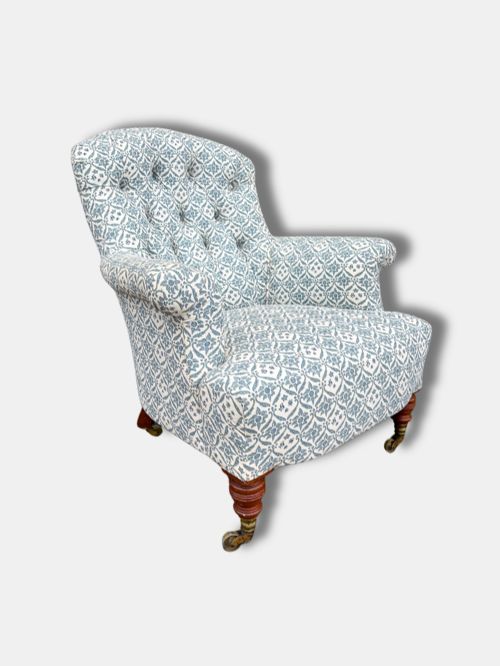
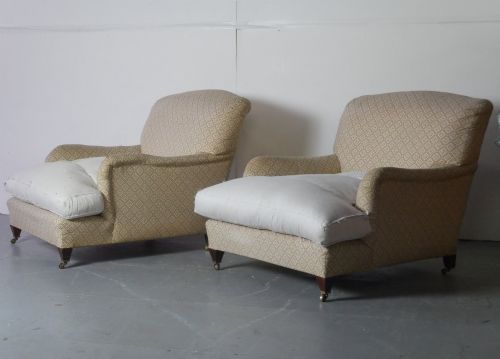
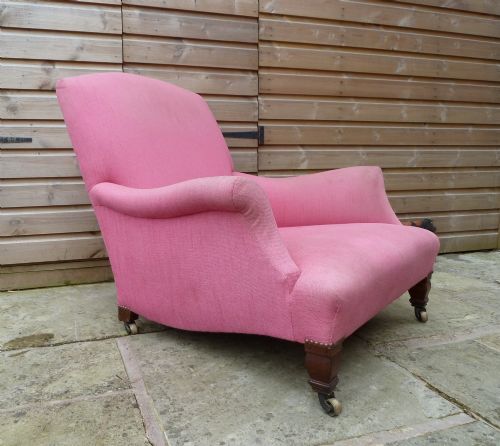
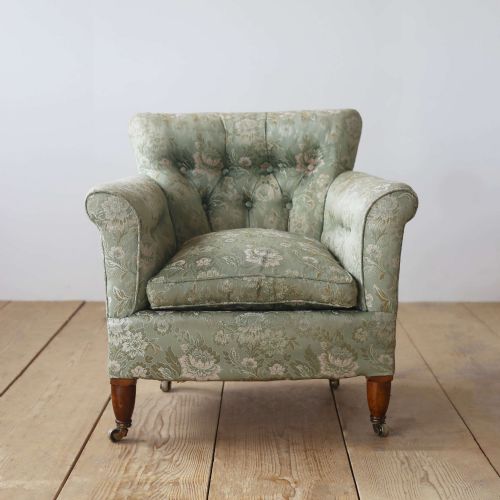
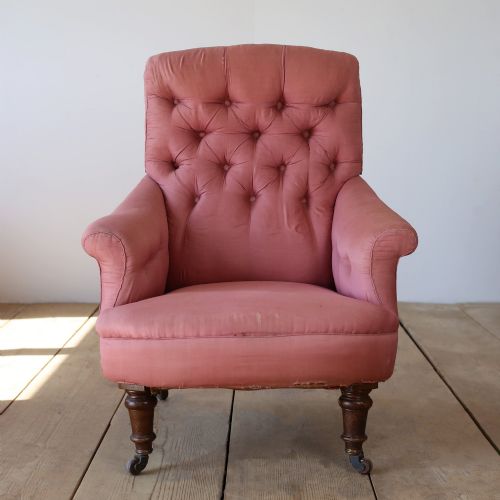
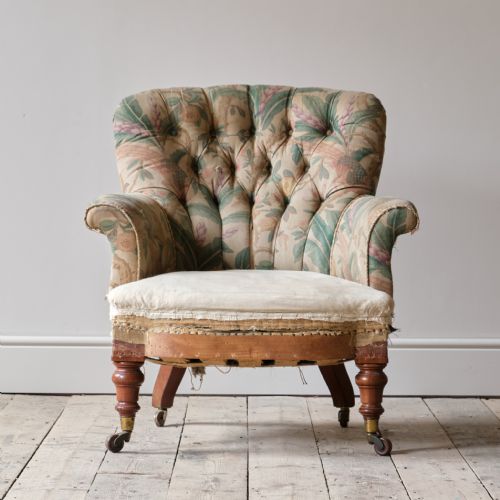
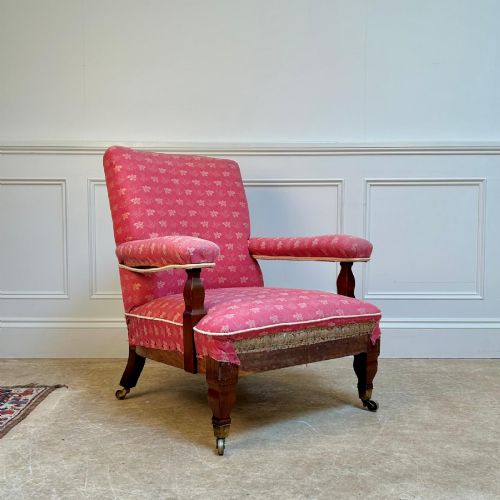
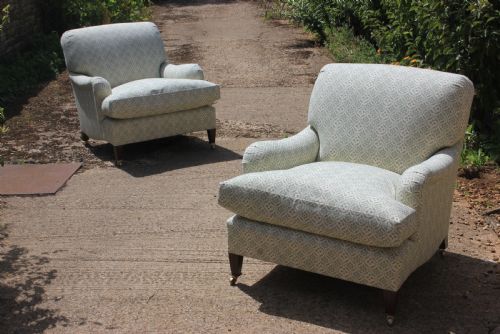
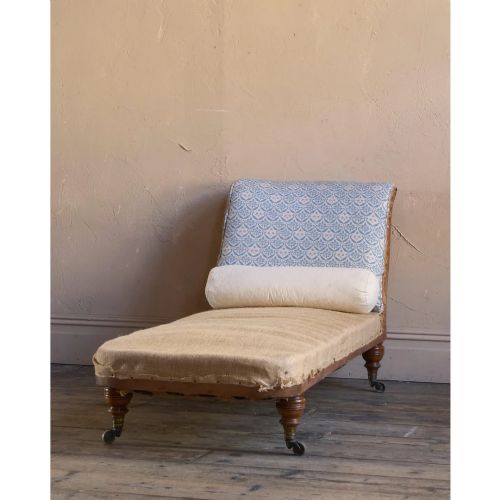
A brass lounge chair encompasses upholstered armchairs, library chairs, daybeds, and chaise longues originating from periods including the Regency, Victorian, and Edwardian eras. Buyers searching for a brass lounge chair encounter robust wooden frames upholstered in velvet, leather, and fabric, often styled around traditional English country house aesthetics. These pieces range from deep button back seating to campaign style daybeds and low slipper chairs.
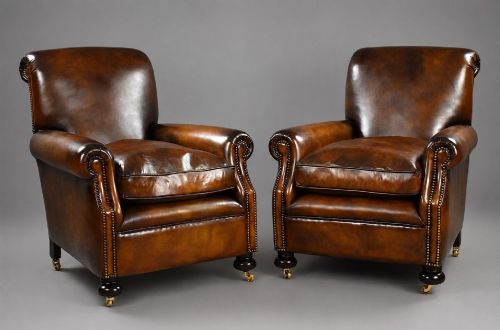
The selection on this page leans heavily toward nineteenth century armchairs alongside early twentieth century leather club chairs and Art Deco examples. Makers such as Howard and Sons, Gillows, and Morris & Co appear frequently, defining the pedigree of many listed seats. Buyers will also find pairs and individual occasional chairs featuring exposed mahogany, walnut, or rosewood frames.
How they were made
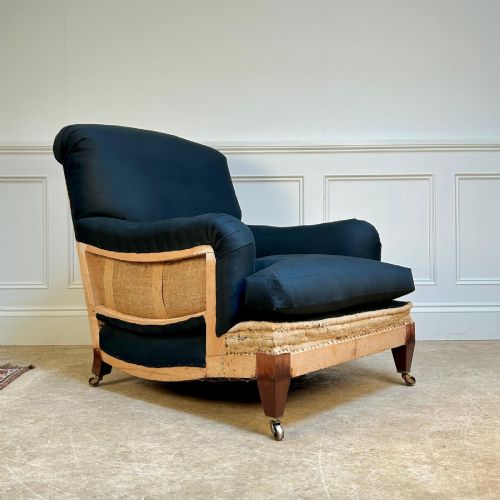
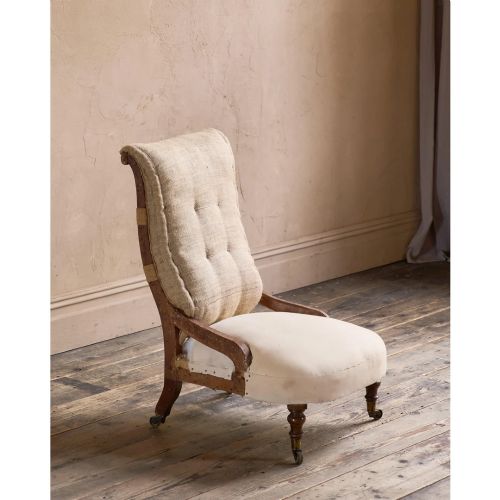
Frames are constructed from hardwoods such as mahogany, walnut, and general timber, providing structural stability for deep upholstery. Brass hardware, castors, and campaign mounts appear across the pieces, offering both decorative contrast and functional mobility. Show frames display carved wooden details, while hidden internal frames rely on traditional joinery.
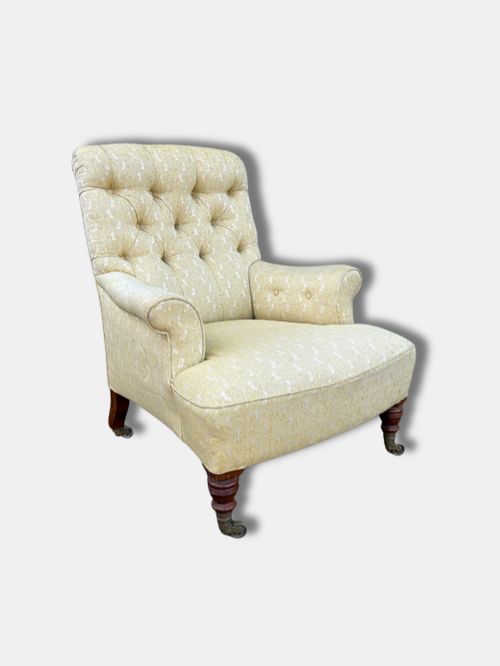
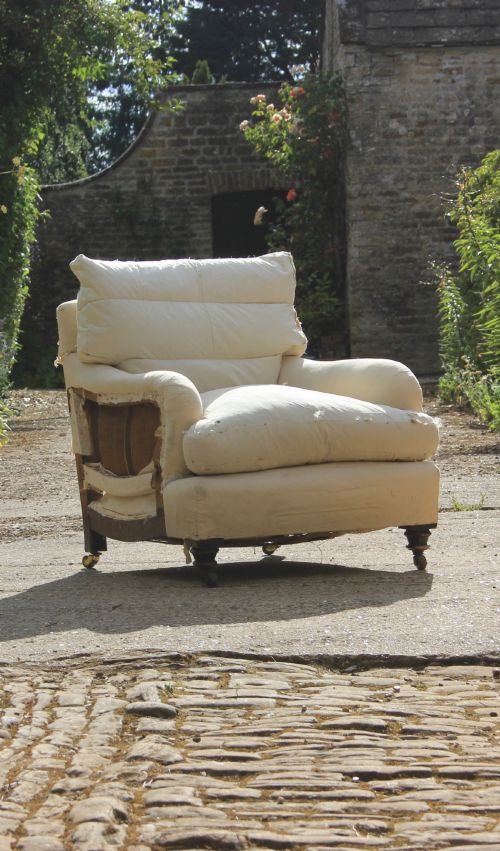
Upholstery materials include supple leather, heavy velvet, and woven fabric such as ticking. Button backing and sprung interiors require specialist hand-working techniques, particularly evident in nineteenth century library chairs and club armchairs.
Brass Lounge Chair Retail Price Guide 2026
Typical asking prices for brass lounge chair among the pieces listed under this phrase on Sellingantiques today, from the lower quarter to the upper quarter. They describe what is for sale here now, not the wider market.
Listings feature eighteenth and nineteenth century seating including Victorian library chairs, Edwardian winged armchairs, and Regency daybeds.
What varies in quality
The distinction between standard commercial seating and top tier examples lies in maker attribution and original material integrity. Pieces bearing stamps or signatures from esteemed workshops command greater attention from collectors who value documented provenance. The depth of the carved woodwork and the fidelity of the period upholstery further separate fine examples from ordinary ones.
Frame rigidity and the preservation of original show wood also dictate the standing of an armchair or chaise longue. Superior items retain their authentic brass castors and uncompromised internal webbing, whereas lesser pieces often show modern structural intervention.
Howard and Sons·George Jack For Morris and Co·Hindley and Sons·Gillows·Hampton and Sons
The Brass Lounge Chair Glossary
- Campaign style
- Furniture designed for military officers to pack and travel easily, typically featuring recessed brass handles and collapsible frames.
- Button back
- An upholstery method where depressions are created by pulling twine tightly through the padding and securing it with fabric covered buttons.
- Show frame
- A wooden structural skeleton left visible around the upholstered portions of a chair, often carved in mahogany or walnut.
- Barley twist
- A decorative turning style resembling a twisted rope, carved into the wooden legs or supports of Victorian seating.
Brass Lounge Chair: Frequently Asked Questions
What is a campaign style day bed?
A campaign style day bed is a portable piece of furniture originally built for military officers on the move during the Regency and Victorian periods. These items utilise sturdy woods and metal fixtures designed for dismantling.
Today, they function as versatile day seating or spare guest beds in a study or drawing room.
How do I identify a Howard and Sons chair?
Howard and Sons chairs are typically identified by their deep, comfortable proportions, low rolled arms, and stamped brass castors. Many carry specific paper labels or manufacturer marks on the rear legs.
They epitomise the English country house aesthetic and remain highly sought after by collectors.
Where should I place a leather club armchair?
Leather club armchairs suit studies, libraries, and living rooms where a robust, masculine seating option is desired. Their thick leather upholstery handles daily use well and develops a rich patina over time.
Pair them with wooden side tables and reading lamps to create a traditional seating nook.
What is the difference between a library chair and a slipper chair?
Library chairs are generally larger, heavier seats designed for long hours of reading, often featuring sturdy armrests and leather or fabric upholstery. Slipper chairs are lower to the ground and traditionally lacked arms, making them easier to sit on while wearing Victorian footwear.
Library chairs anchor a room with architectural presence, while slipper chairs offer a more compact profile.