




Brass Lamp Fabric Shade
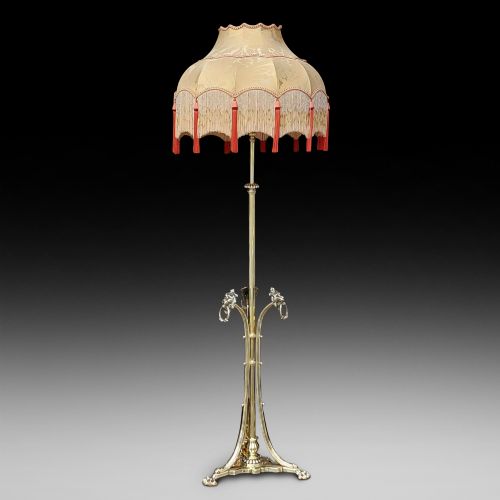
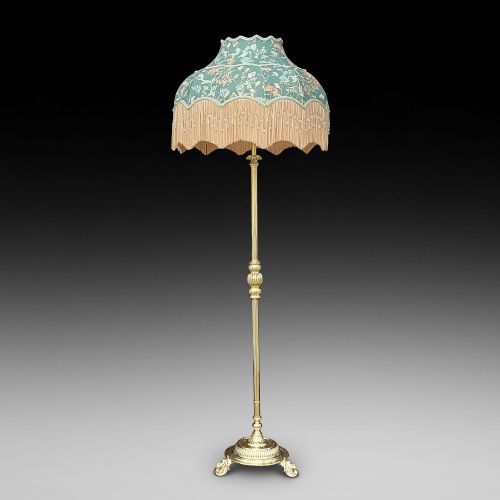
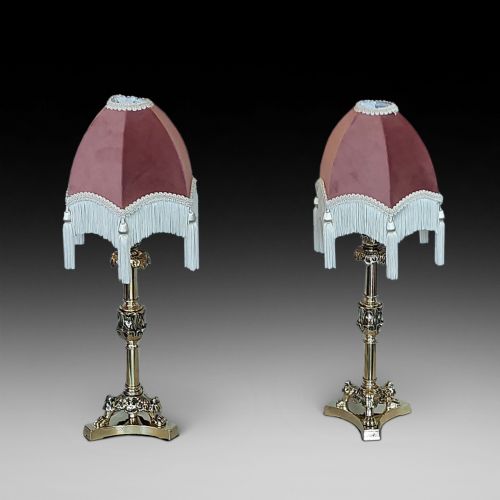
A brass lamp fabric shade brings together warm metal bases and textured textiles, offering the ambient lighting that collectors seek.
Brass Lamp Fabric Shade
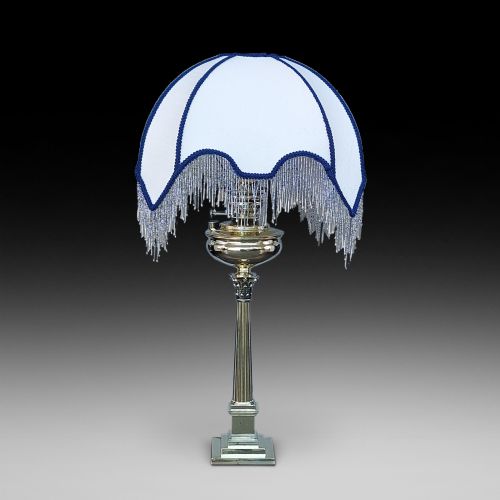
A brass lamp fabric shade draws together lighting fixtures built around metal columns, converted candlesticks, and oil lamp standards. You meet table lamps and floor lamps spanning the Victorian, Edwardian, and early twentieth-century periods.
The selections include column forms such as Corinthian and Doric designs alongside Neoclassical Revival, Art Nouveau, and Gothic Revival styles. These pieces originate from domestic workshops and continental makers utilising durable metalwork.
Most examples pair gleaming or patinated metal structures with textile coverings to diffuse light across interiors. The historic standards often begin life as oil-burning apparatus before conversion to electricity.
Assessing quality in metal and textile lighting
Quality rests upon the crispness of the cast metal detailing, seen in the sharpness of column fluting and decorative mounts such as rams heads or figurative elements. Heavy gauge brass and solid construction distinguish superior standards from lighter pressed alternatives.
The integration of the fabric shade with the metal base determines the stylistic cohesion of the piece. Finer examples retain period-appropriate textiles, fringe work, and balanced proportions that complement the metalwork beneath.
A few brass standards conceal cast rams heads and figures of Minerva, proving that Victorian lighting took its mythology very seriously indeed.
The Brass Lamp Fabric Shade Glossary
- Standard lamp
- A tall floor-standing lighting fixture designed to illuminate a room from a vertical position. These pieces often feature weighted bases to ensure stability.
- Corinthian column
- An architectural column style featuring an ornate capital decorated with acanthus leaves. This motif appears frequently on the shafts of table and floor lamps.
- Oil lamp
- A lighting vessel utilising liquid fuel and a wick before conversion to electric wiring. Many surviving examples retain their original brass reservoirs and burner assemblies.
- Spelter
- A zinc alloy used as a substitute for bronze in decorative metalwork. It takes gilding and patination well, appearing in various antique lamp bases.
- Fringe
- A decorative border of hanging threads or cords attached to the edge of a textile shade. It diffuses light and adds textural detail to period lighting.
Brass Lamp Fabric Shade: Frequently Asked Questions
How do I clean a fabric shade?
Dust the textile surface gently using a soft brush or a low-suction vacuum attachment. Avoid using water or liquid cleaners unless you know the fabric composition.
Test any cleaning method on a hidden area first to prevent water rings or damage to delicate silk and fringe trims.
Are these lamps safe to use?
Many historic lamps require professional rewiring to meet modern electrical safety standards. Check the cord and plug condition before connecting power.
Consult a qualified electrician to inspect older brass fittings and ensure the internal wiring is secure.
How do I identify an oil lamp conversion?
Look for remnants of the burner mechanism, wick adjuster, or fuel reservoir at the top of the metal column. These components are usually threaded to accept modern bulb holders.
Converted pieces retain their original weight and proportion, often showing where the oil reservoir meets the main stem.