

Brass Kerb Fender
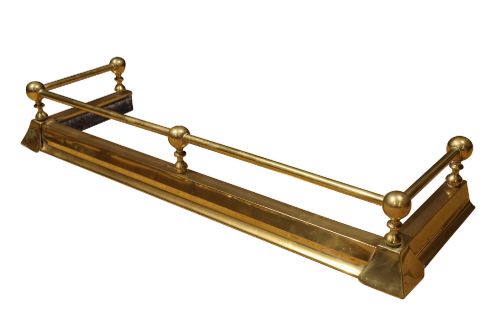
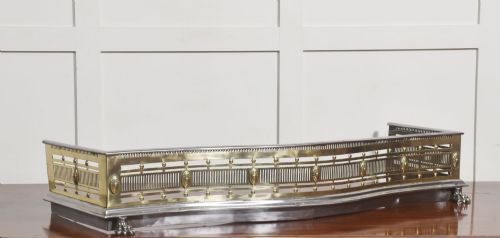
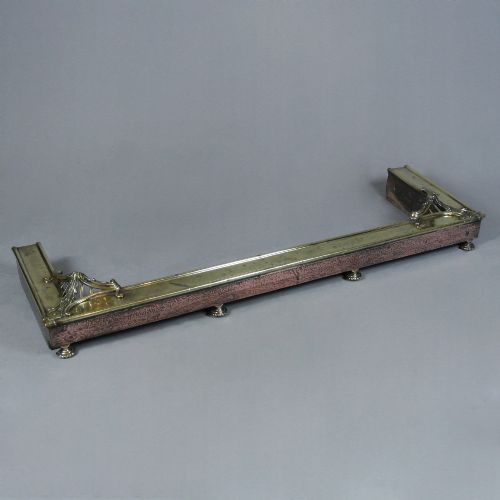
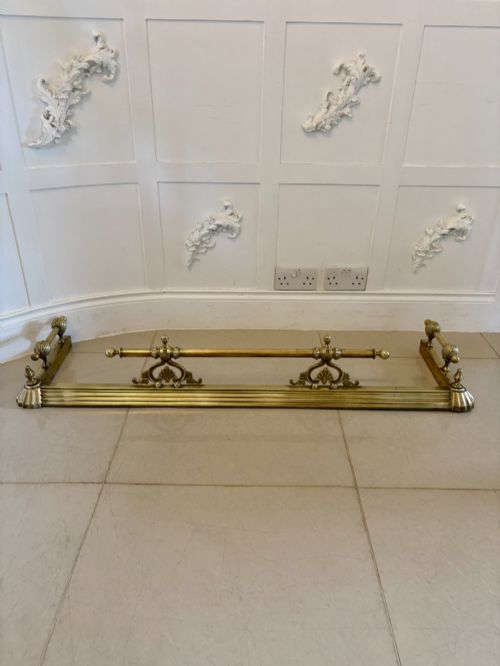
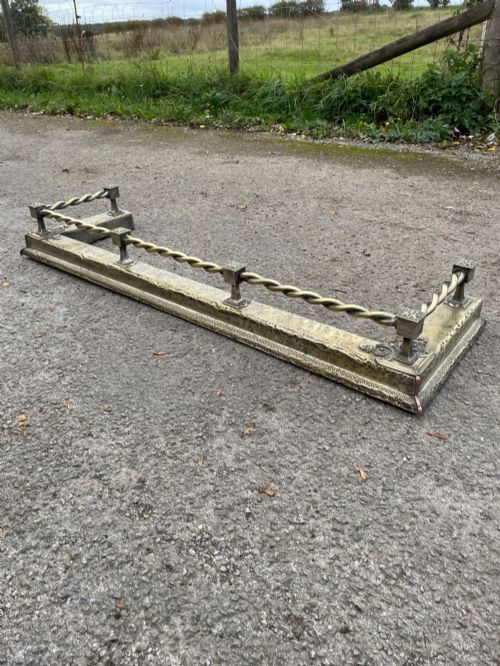
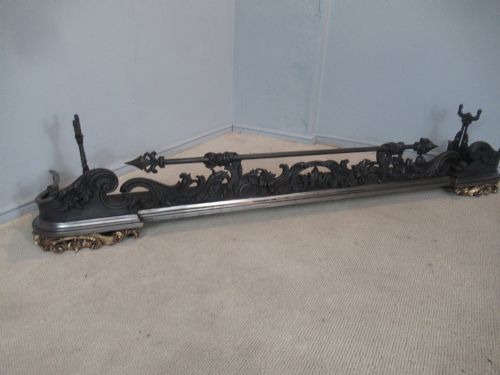
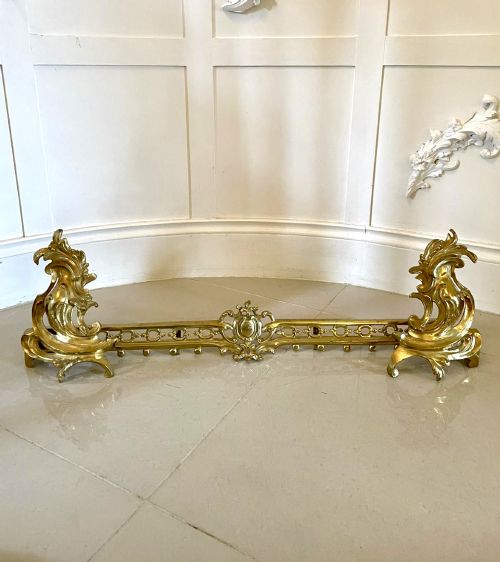
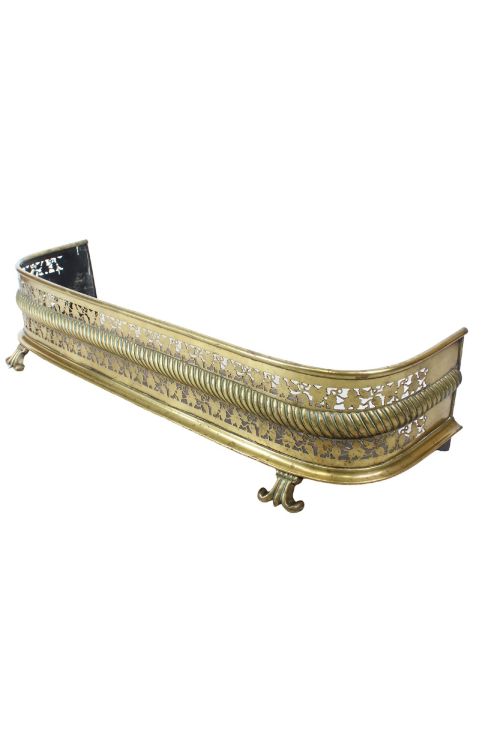
A brass kerb fender frames the hearth with metalwork that catches the room's light while keeping stray embers safely contained.
Brass Kerb Fender
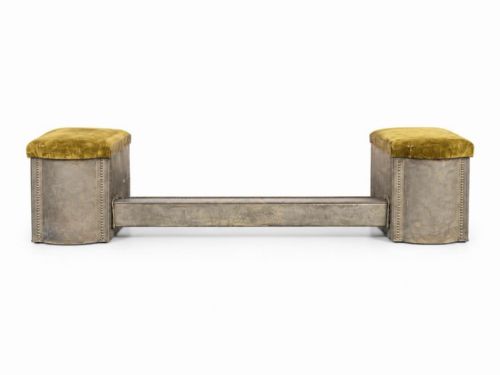
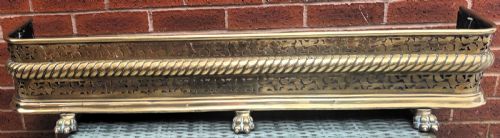
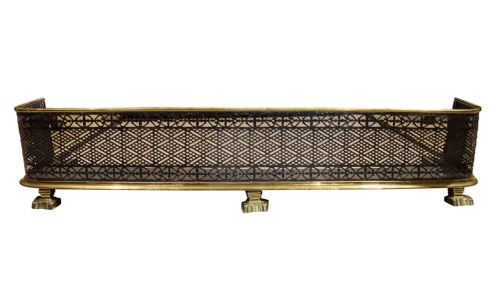
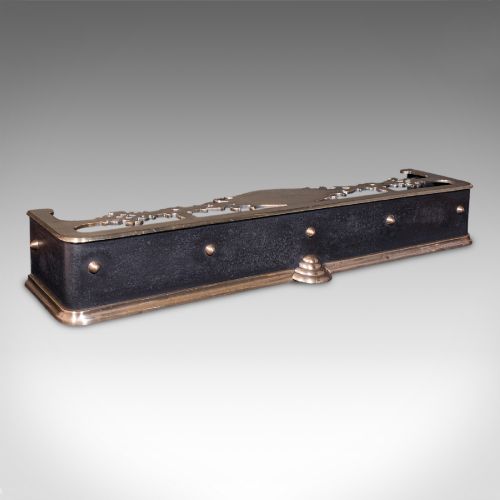
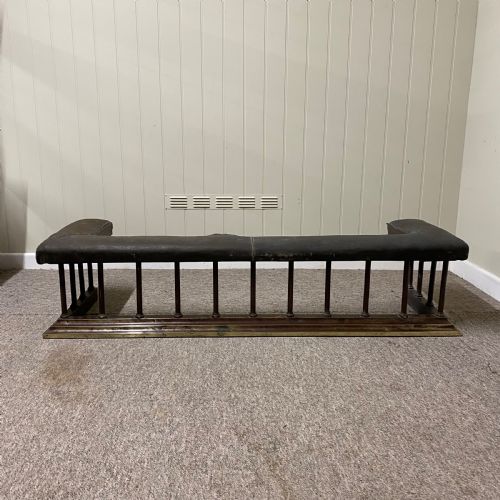
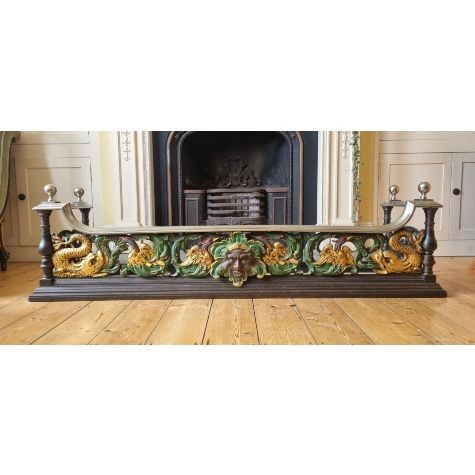
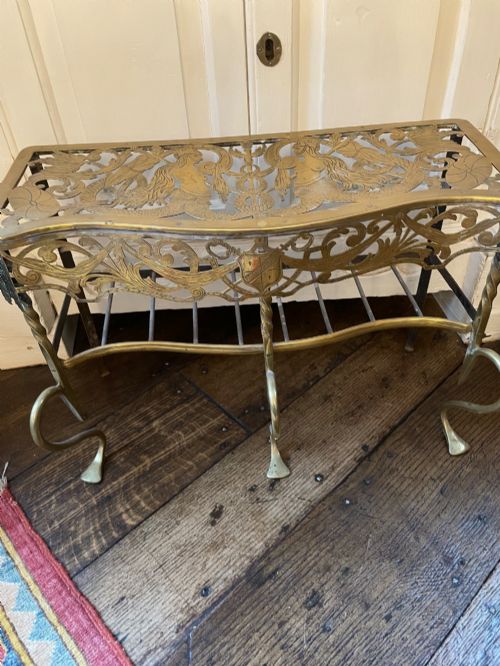
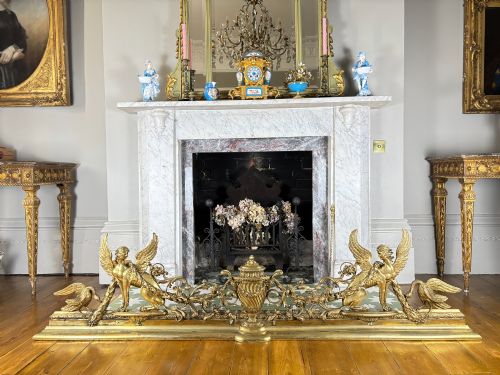
A brass kerb fender sits directly on the hearth around an open fireplace, acting as a low barrier between the fire and the room. These pieces appear in forms ranging from simple pierced metal strips to substantial corner seating designs upholstered in leather.
Most examples found here date from the nineteenth century and the Edwardian era, spanning styles from Regency and Victorian Neoclassical to Art Nouveau and Art Deco. Makers utilised various metals alongside brass, creating robust hearth furniture for period homes.
Fireplace accessories of this type include extending models, adjustable kerbs, and club fenders fitted with padded seats for fireside warmth. Each piece reflects the domestic habits and decorative tastes of its period.
Materials and construction
Makers constructed these fenders primarily from brass, often pairing it with iron, steel, or cast iron to add structural weight to the hearth barrier. Surface enrichment included ormolu, gilt bronze, and cut steel details.
Pierced sheet brass and heavy cast components defined the manufacturing process, alongside hand-worked copper and fitted leather squab cushions on club variants. Makers employed riveting, joining, and piercing techniques to achieve decorative fretwork patterns.
Brass Kerb Fender Retail Price Guide 2026
Typical asking prices for brass kerb fender among the pieces listed under this phrase on Sellingantiques today, from the lower quarter to the upper quarter. They describe what is for sale here now, not the wider market.
Some nineteenth century fenders arrived with built-in club seating so you could warm your toes and your seat simultaneously.
Judging quality
The distinction between standard production and superior work rests on the weight of the metal and the crispness of the pierced or cast ornament. Finer examples display cleanly articulated neoclassical motifs or organic art nouveau lines without sloppy joints.
Substantial gauge brass and integrated steel frames separate durable hearth furniture from lighter pieces. The presence of original elements, such as fitted leather seats on club fenders or matching fire irons, elevates the standing of an individual piece.
E F Caldwell New York
The Brass Kerb Fender Glossary
- Kerb fender
- A low metal barrier placed around the edge of a hearth to contain ash and embers. It anchors the fireplace arrangement within the room.
- Club fender
- A hearth fender featuring padded upholstered seats along the top rails. This design allows people to sit close to the fire.
- Ormolu
- Gilt bronze ornamentation applied to furniture and metalwork. It gives a bright golden finish to decorative mounts.
- Pierced brass
- Sheet metal perforated with decorative holes and patterns. This technique lightens the visual weight of the kerb.
- Cut steel
- Small faceted steel studs riveted together to catch the firelight. It creates a sparkling effect on Regency and Victorian pieces.
Brass Kerb Fender: Frequently Asked Questions
How do I choose the right size?
Measure the width and depth of your hearth space carefully before selecting a fender. Ensure you leave adequate clearance around the fireplace opening for safety and proportion.
Keep in mind that extending models offer some flexibility in width, while fixed models require precise dimensions to fit the hearth stone correctly.
What is a club fender?
A club fender incorporates upholstered leather seats along its upper frame, designed for sitting by the fire. Originating in country house smoking rooms, it brought comfort directly to the hearth.
These pieces combine heavy brass or iron frames with mature leather squab cushions, serving as both a protective barrier and fireside seating.
How do I clean brass fenders?
Dust the metal regularly with a soft dry cloth to prevent the buildup of soot and grime. Avoid harsh abrasive cleaners that can strip historic patination from the surface.
Gentle cleaning preserves the warm glow accumulated over decades of use near an open coal or wood fire.
How do I date a brass fender?
Examine the decorative style, such as regency neoclassical lines, Victorian pierced fretwork, or art nouveau curves, to establish a baseline period. Construction methods, including the use of iron backings and hand-cut joinery, offer further clues.
Heavier cast brass elements and specific maker marks, when present, help narrow down the decade of manufacture.