



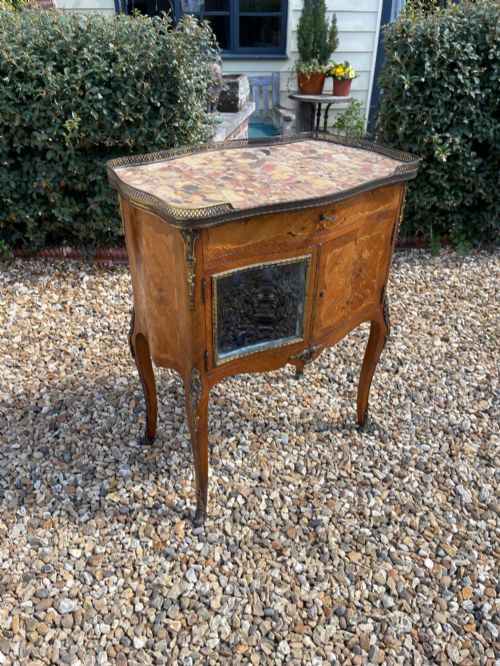
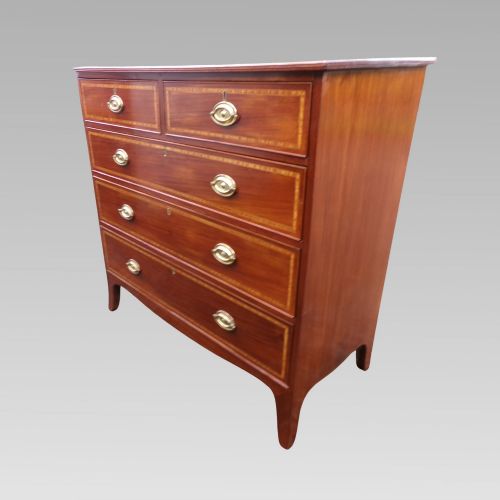


Brass Inlay Storage Cabinet
A brass inlay storage cabinet brings together figured timbers and precise metalwork, offering a refined solution for keeping papers, music or small collections.
Brass Inlay Storage Cabinet
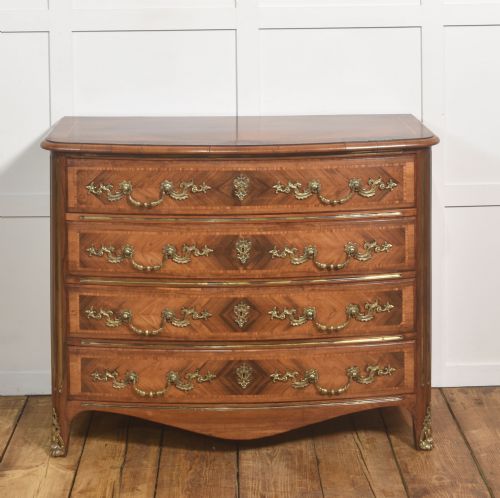
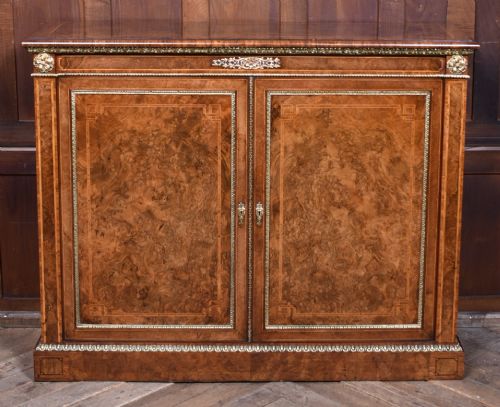
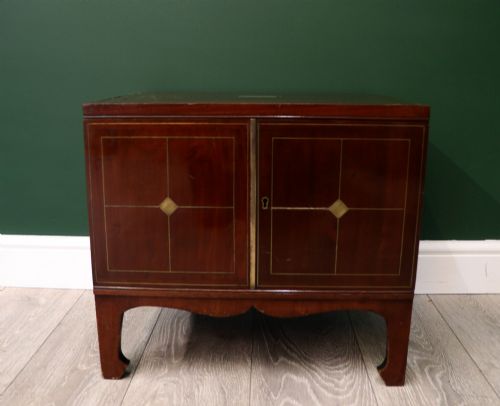
A brass inlay storage cabinet covers a variety of case furniture from the Georgian, Regency, Victorian and Edwardian eras, designed to hold possessions securely while displaying decorative refinement. Pieces span campaign styles, chiffoniers, music cabinets and side cabinets, utilising timbers such as mahogany, rosewood, walnut and oak.
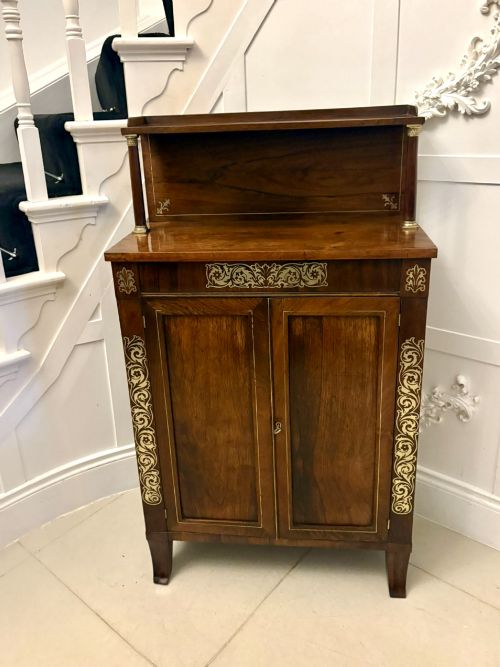
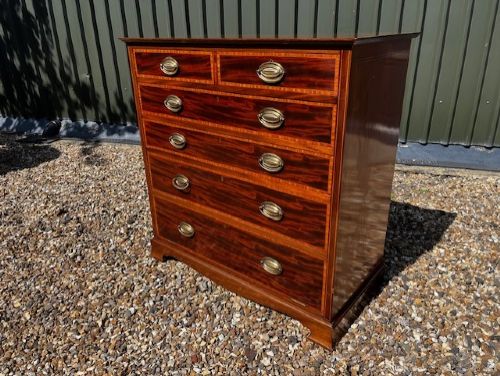
The version most commonly met on this page is the Regency rosewood or mahogany side cabinet and the Victorian or Edwardian inlaid piece, often featuring fine brass stringing or motif work set directly into the polished wooden surface. These items serve equally well in a modern study or a traditional drawing room for practical storage.
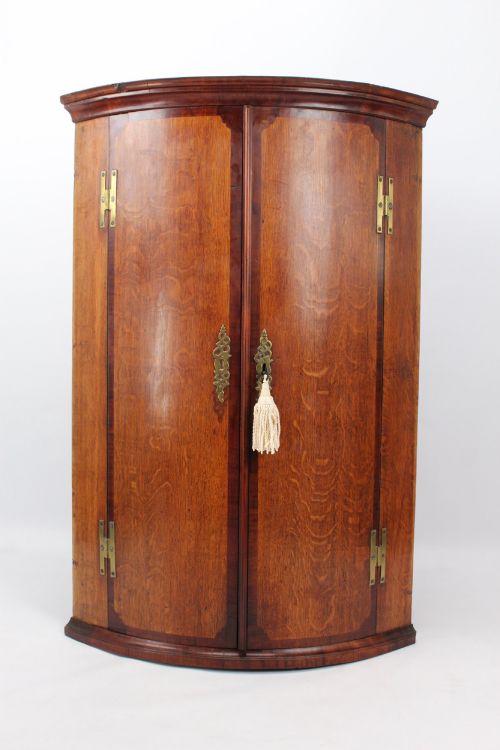
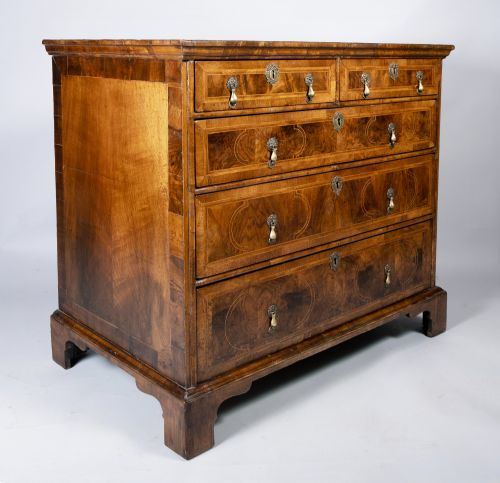
Earlier examples from the eighteenth century or earlier incorporate walnut and oak with simpler brass mounts or handles, whereas nineteenth-century variations lean towards elaborate rosewood and mahogany finishes with contrasting satinwood crossbanding and geometric metal detailing.
Materials and Construction
Cabinet makers constructed these pieces using dense native and exotic timbers, laying veneers of mahogany, walnut, rosewood, amboyna and satinwood over sturdy secondary woods like oak or pine. The surfaces received meticulous hand-polishing with wax or shellac to bring out the natural grain and depth of the timber.
Brass was utilised for stringing, escutcheons, handles and occasionally figurative inlays, routed carefully into channels cut into the wood and secured with natural adhesives or tiny pins. Campaign and pedestal variants frequently incorporated brass corner braces and flush handles to withstand transit.
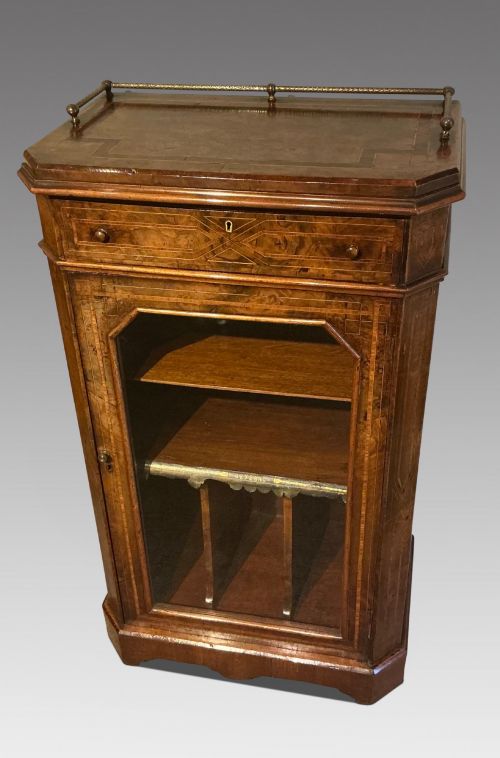
Some nineteenth-century music cabinets include little brass swinging galleries designed to keep stray waltzes from sliding off the top.
Judging Quality and Execution
The distinction between ordinary and exceptional pieces lies in the crispness of the timber preparation and the precision of the brass inlay work. Superior items show no gaps where the metal meets the wood, maintaining smooth, flush surfaces even as the timber responds to environmental changes over centuries.
Finer cabinets employ choice cuts of figured veneer, such as flame mahogany or burr walnut, matched symmetrically across drawer fronts and doors. The interior secondary woods, dovetail joints and original brass hardware further indicate the level of care invested by the original workshop.
Mawer and Stephenson·Edwards and Roberts·Whytock and Reid
The Brass Inlay Storage Cabinet Glossary
- Brass stringing
- Thin strips of brass inlaid into narrow channels in the wooden surface to form geometric borders and outlines. This technique gained particular popularity during the Regency period.
- Crossbanding
- A border of veneer laid around the main panel of a drawer or top with the grain running perpendicular to the central panel. It provides a neat, framed edge to the timber.
- Chiffonier
- A low sideboard or storage cabinet originating in the nineteenth century, often equipped with enclosed cupboards below and sometimes a small shelf superstructure above.
- Campaign style
- Portable furniture built with recessed brass handles, corner brackets and durable timbers intended for military officers on the move. These pieces prioritise structural resilience alongside refined appearance.
- Marquetry
- Elaborate decorative patterns formed by fitting together small pieces of various coloured woods and sometimes other materials like brass or ivory. It differs from inlay by covering the entire surface in a mosaic design.
Brass Inlay Storage Cabinet: Frequently Asked Questions
What rooms suit a brass inlay storage cabinet?
These cabinets suit studies, drawing rooms and hallways where their decorative surfaces and enclosed storage can be fully appreciated.
They provide a practical place for papers, linens or small collections while adding period character to the space.
How do I care for brass inlay on wood?
Maintain the wood with traditional beeswax and clean the brass elements gently with a dry or very slightly damp soft cloth. Avoid harsh chemical polishes that might stain the surrounding timber veneer.
Keep the cabinet away from direct heat sources and strong sunlight to prevent the wood from drying and the inlay from loosening.
How can I tell a Regency cabinet from a Victorian one?
Regency pieces often favour architectural lines, rosewood timbers and precise brass stringing influenced by classical design. Victorian examples frequently utilise burr walnut or mahogany with heavier proportions and more eclectic revival styles.
Examining the secondary woods inside and the style of the dovetail joints helps confirm the manufacturing era.
Were these cabinets used for sheet music?
Specific forms such as music cabinets and sheet storage pieces were built with internal shelving designed to hold bound volumes or loose musical scores. These became particularly common during the Victorian period as home piano playing grew in popularity.
Standard side cabinets and chests served more general household storage needs.