



Brass Hinged Box
These brass hinged box examples combine functional metalwork with period materials like mahogany, glass and porcelain, making them essential finds for collectors.
Brass Hinged Box
A brass hinged box serves as a utilitarian or decorative container, often designed to hold trinkets, snuff, pills or navigational instruments. When exploring the category of a brass hinged box, buyers encounter forms ranging from table snuff boxes and trinket containers to campaign chests and compass cases.
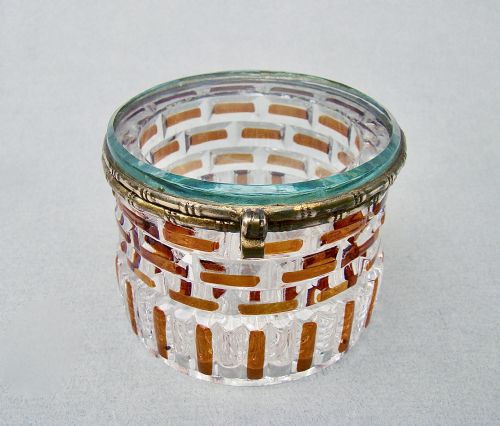
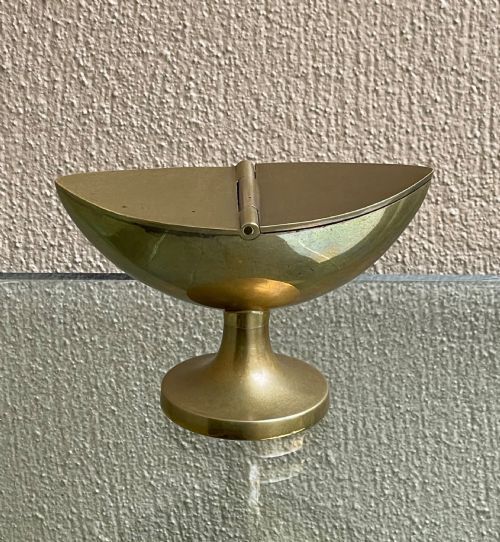
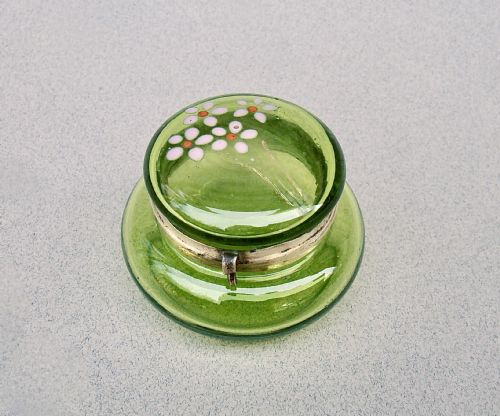
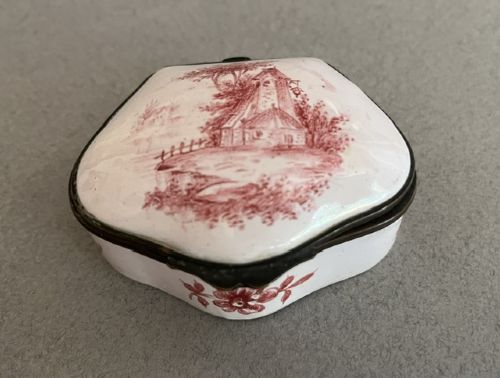
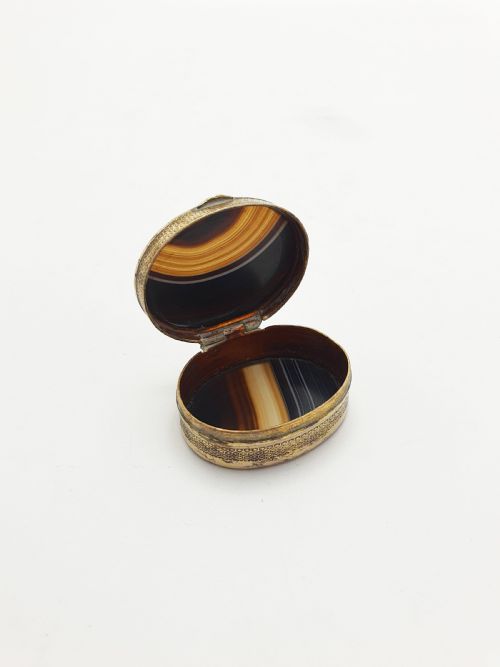
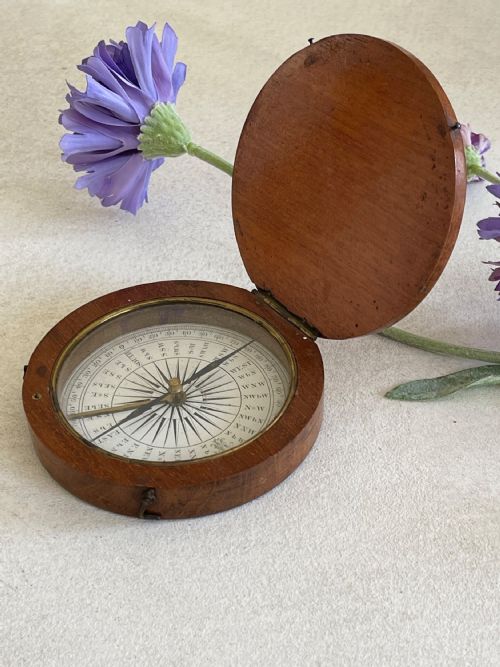
The selections span multiple eras including the eighteenth, nineteenth and twentieth centuries, with Victorian examples and French Belle Epoque pieces appearing frequently. Object types include navette-shaped snuff boxes, enamelled green glass trinket boxes, agate and gilt brass boxes, and mahogany cased compasses with hinged lift-up tops.
How they were made
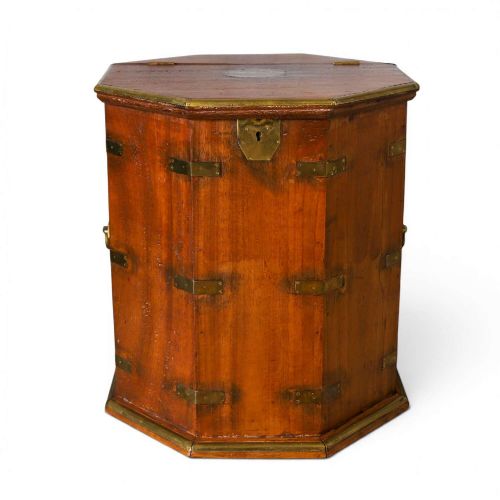
Construction methods rely heavily on the combination of brass with other durable materials such as mahogany, lead crystal, porcelain and glass. Metalwork hinges secure lids to bodies across diverse forms, from heavy campaign chests to delicate pill trinket boxes.
Surface decoration and finishing techniques include enamel work, gold raised detailing, and the integration of natural stones like agate. Woodwork for cased items involves fitted mahogany structures designed to house scientific instruments securely.
Brass Hinged Box Retail Price Guide 2026
Typical asking prices for brass hinged box among the pieces listed under this phrase on Sellingantiques today, from the lower quarter to the upper quarter. They describe what is for sale here now, not the wider market.
Navigators once trusted antique mahogany cased compasses to guide them across the globe while keeping their most delicate pocket instruments securely hinged.
What varies in quality
Quality differences emerge in the precision of the metal hinges and the fineness of the materials used, such as the clarity of lead crystal or the delicacy of porcelain and enamel work. Pieces featuring natural stones or detailed gold raised detailing show superior artistic ambition.
The integration between brass mounts and primary materials like mahogany or glass dictates the overall refinement of the piece. Superior examples demonstrate careful alignment of the hinged lid with the body, regardless of whether the object is a simple trinket box or a complex scientific instrument.
Stanley, London
The Brass Hinged Box Glossary
- Navette
- A boat-shaped decorative form with tapered ends, often seen on eighteenth and nineteenth-century snuff boxes. This profile provides a slender silhouette.
- Campaign chest
- Portable furniture and storage designed for travel and military use, typically featuring brass hardware and recessed handles. These pieces utilise sturdy timbers like mahogany.
- Lead crystal
- A heavy, clear glass containing metallic oxide to increase brilliance and weight. It appears in decorative trinket containers.
- Gilt brass
- Brass coated with a thin layer of gold to enhance appearance and prevent tarnish. It provides a rich metallic finish on small boxes.
Brass Hinged Box: Frequently Asked Questions
What is a brass hinged box used for?
These boxes served various historical functions, ranging from holding personal items like snuff and pills to housing scientific instruments such as pocket compasses.
Collectors prize them today as decorative desk accessories or small storage containers for modern trinkets.
How do I date a brass hinged box?
Dating relies on identifying stylistic markers, manufacturing materials, and construction techniques associated with periods like the Georgian era or Victorian times.
Reference points include specific glass types, porcelain decoration styles, and the evolution of brass hardware.
Are compasses considered boxes?
Certain scientific instruments like pocket compasses were housed in protective wooden or metal cases featuring hinged lids.
These cased items share construction methods with traditional decorative boxes and caddies.
What materials are common in these boxes?
Brass forms the primary metal component for hinges, mounts, and frames across the category.
Other frequent materials include mahogany, glass, porcelain, enamel, and agate.