

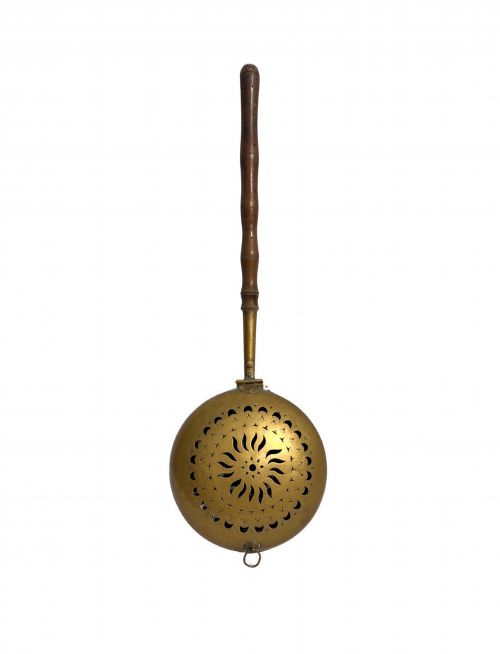


Brass Hearth Pan
These brass hearth pan examples combine utility with fireside charm, offering durable metalwork that brings warmth and character to any period fireplace.

Brass Hearth Pan
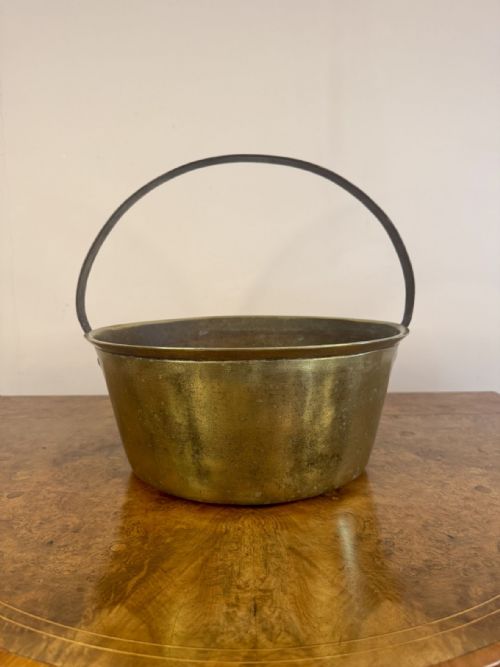
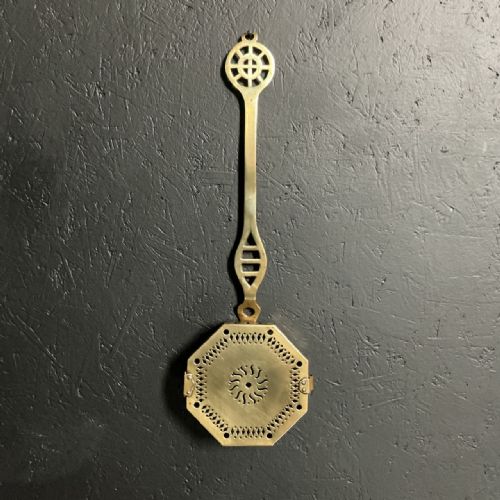
A brass hearth pan covers a range of traditional fireplace and kitchen metalwork designed for daily domestic use around the fire. Collectors encounter various forms here, including chestnut roasters, warming pans, jam pans, and braziers spanning Georgian, Victorian, and Edwardian periods.
The most common iterations on this page are Victorian and Georgian designs intended for heating food, boiling preserves, or warming beds. These pieces reflect English country and Victorian domestic habits where metal vessels sat directly on the hearth or coals.
How they were made
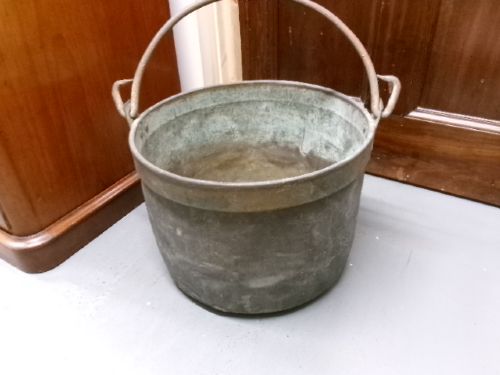
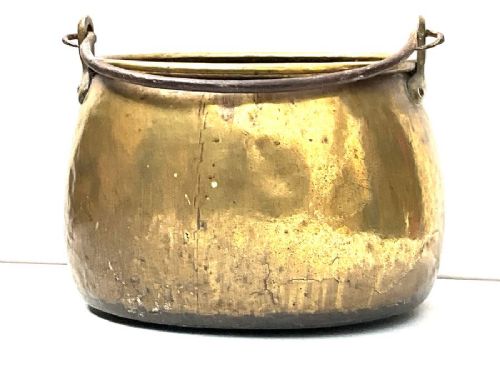
Makers utilised heavy sheet brass and hammered copper combined with iron and wood handles to construct vessels capable of withstanding intense hearth heat. Metal sheets were beaten into shape, often featuring swing handles or sturdy iron brackets riveted securely to the body.
Surface finishes range from polished brass to patinated bronze, showing the natural marks of hand-hammering and early manufacturing techniques. Wooden grips and wrought iron elements provide functional contrast against the bright yellow and red metals.
Brass Hearth Pan Retail Price Guide 2026
Typical asking prices for brass hearth pan among the pieces listed under this phrase on Sellingantiques today, from the lower quarter to the upper quarter. They describe what is for sale here now, not the wider market.
Listings feature items spanning the 18th, 19th, and early 20th centuries, predominantly utilising brass, copper, iron, and wood.
What varies in quality
Quality rests primarily on metal thickness, proportion, and the integrity of original fixings like rivets and handles. Heavier gauge brass and well-balanced copper vessels demonstrate superior craftsmanship meant for demanding kitchen and fireside tasks.
Refined detailing on handles, lids, and mounts distinguishes ordinary utilitarian items from superior display pieces. The harmony between the primary brass body and secondary iron or wood components defines the overall visual success of an antique.
The Brass Hearth Pan Glossary
- Chestnut roaster
- A long-handled metal pan with a pierced lid designed for roasting chestnuts over hot coals. These pieces often feature brass bowls and hinged covers.
- Bed warming pan
- A flat metal pan with a long wooden handle used to warm bed linen with hot embers. The lids frequently display decorative punched or engraved brass patterns.
- Jam pan
- A deep metal vessel with flat bottoms and sturdy handles used for boiling fruit and sugar. They are typically rendered in heavy brass or copper to distribute heat evenly.
- Brasero
- A traditional Spanish heated brazier used for warmth, often incorporating decorative metalwork and stand elements. These hearth accessories highlight continental styles alongside English items.
- Trivet
- A metal stand used to elevate pans and kettles above the hearth fire. They provide stable support for cookware resting directly over hot ashes.
Brass Hearth Pan: Frequently Asked Questions
What is a brass hearth pan used for?
These vessels served practical household duties near the fireplace, from boiling preserves and warming beds to roasting chestnuts over hot coals.
Today, they function primarily as decorative fireside accessories that introduce warmth and historic character to traditional living spaces.
How do I date a brass hearth pan?
Dating relies on examining manufacturing techniques, handle styles, and material combinations typical of Georgian, Victorian, or Edwardian periods.
Heavier hand-beaten construction and specific handle fixings often point towards earlier eighteenth and nineteenth-century origins.
Are these pans made of solid brass?
Most examples utilise solid brass or copper bodies, frequently paired with wrought iron handles or turned wooden grips for safe handling.
Secondary metals like iron appear on fixings, trivets, and skillets to provide necessary structural strength near the fire.
How should I clean antique brass?
Gentle dusting and minimal intervention preserve the historic patina that collectors value on old fireplace accessories.
Avoid harsh chemical polishes that strip away centuries of oxidation and character from the metal surface.