

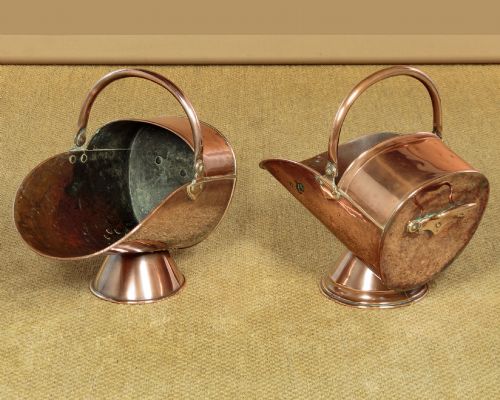


Brass Handled Scuttle
A brass handled scuttle brings warmth and utility to a hearth, combining robust metalwork with practical design for solid fuel storage.
Brass Handled Scuttle
A brass handled scuttle serves primarily as a receptacle for coal, logs, or peat beside an open fire, constructed from durable metals and woods. When searching for a brass handled scuttle, buyers encounter various configurations spanning the Georgian, Victorian, and Edwardian periods.
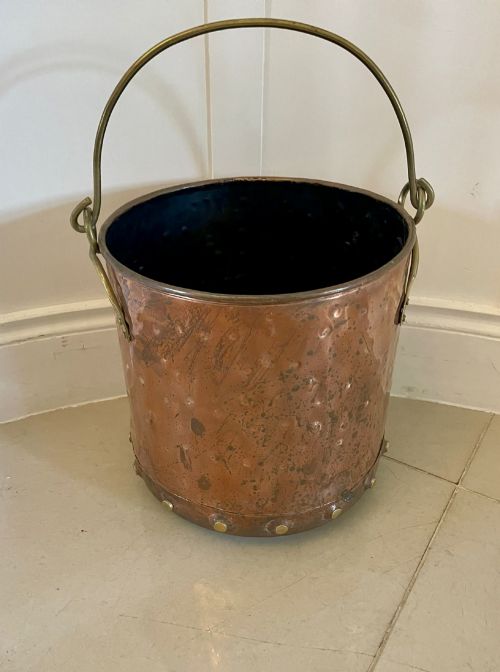
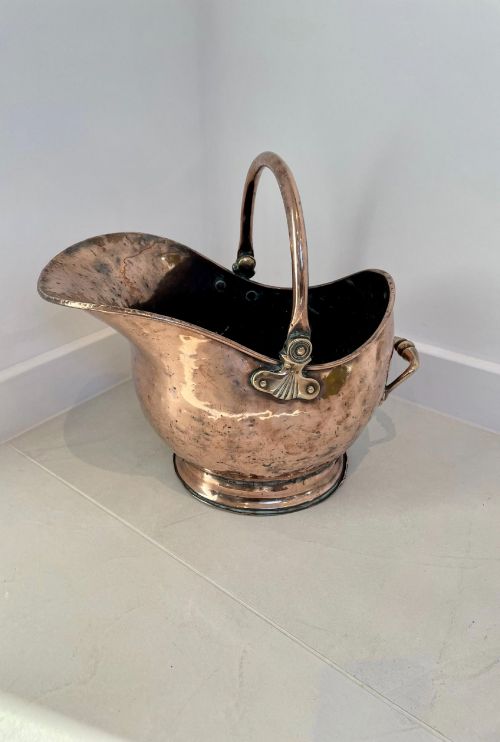
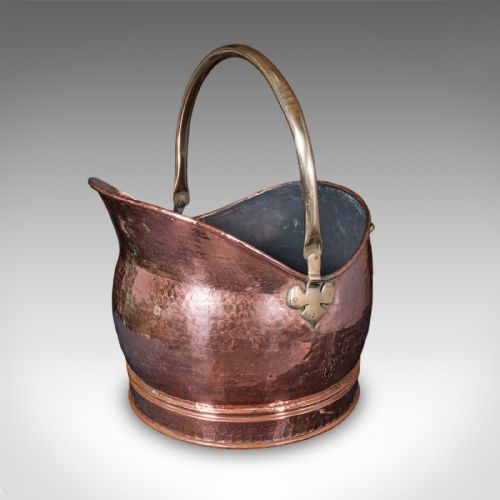
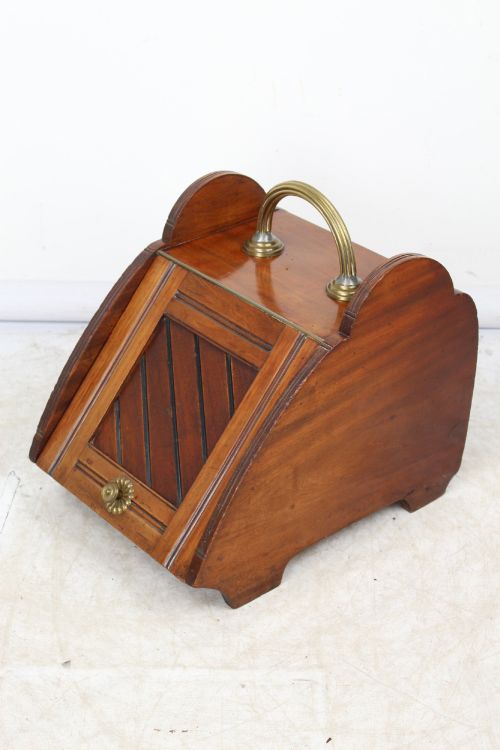
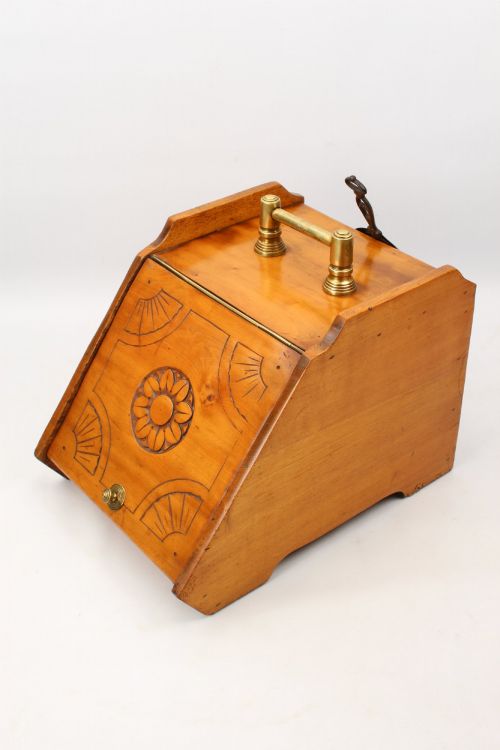
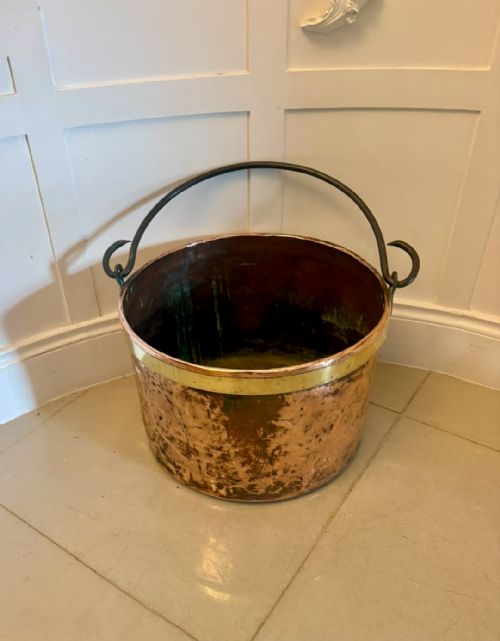
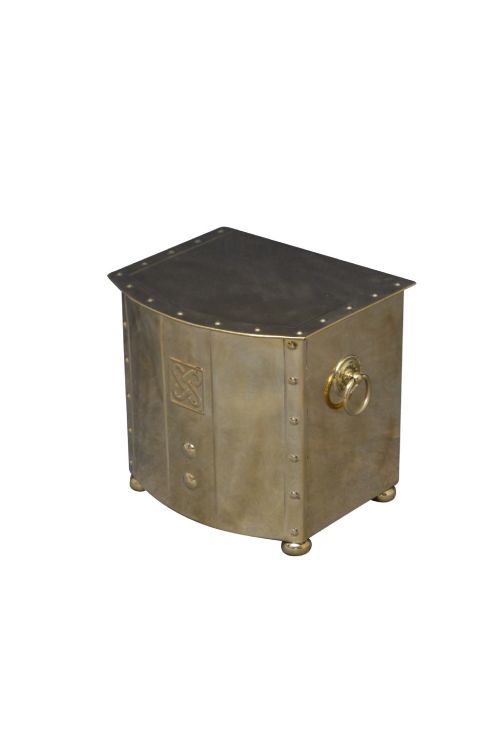
The pieces on this page heavily feature Victorian copper and brass coal buckets, helmet-shaped scuttles, and wooden coal boxes with metal mounts. Common forms range from traditional helmet shapes to cylindrical log bins and purdoniums designed to hold fuel neatly.
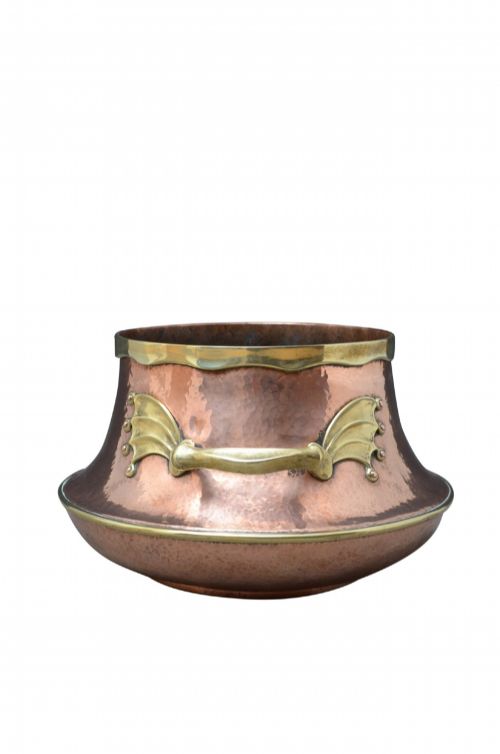
Origins stretch from English workshops to Dutch colonial examples, reflecting regional preferences for utilitarian yet decorative fireside accessories. Alongside standard coal storage, many surviving pieces double as planters or jardinieres.
Materials and Construction Techniques
Makers relied predominantly on sheet copper and brass, often beaten, hammered, or joined with rivets to create robust bodies capable of withstanding heavy daily use. Handles and swing bales of solid brass were securely fastened to the main vessel to facilitate lifting and tilting.
Wooden examples incorporate timber bodies in mahogany, oak, walnut, and pine, frequently complemented by inlaid details, carved panels, or drop brass handles. Surface finishes range from hand-finished metal sheens to polished wood surfaces that highlight the natural grain.
Specialised techniques such as dinanderie work and folk art toleware painting appear among the metal variations, adding decorative surface texture and colour contrast to the utilitarian forms.
Brass Handled Scuttle Retail Price Guide 2026
Typical asking prices for brass handled scuttle among the pieces listed under this phrase on Sellingantiques today, from the lower quarter to the upper quarter. They describe what is for sale here now, not the wider market.
Some coal scuttles spent a previous life carrying fuel upstairs while wearing polished brass helmets, only to retire as dignified plant pots.
Distinctions in Quality and Execution
Quality rests heavily on the gauge of the metal and the integrity of the construction, where thicker copper and sturdier brass mountings resist denting and distortion over decades of service. Superior pieces display crisp hand-hammering, secure riveting, and well-balanced handles that bear weight comfortably.
In wooden coal boxes and purdoniums, the grade of timber and precision of the joinery define the standard, alongside the quality of any applied brass fittings, hinges, and drop handles. Pieces featuring inlaid details or specialised arts and crafts styling generally reflect a higher level of artisan attention.
William Soutter & Sons
The Brass Handled Scuttle Glossary
- Purdonium
- A specialised cabinet or box designed to hold coal near a fireplace, typically featuring a sloping front door and a shovel compartment. It usually stands on small feet or castors for ease of movement.
- Helmet Scuttle
- A coal container shaped like a classical helmet, featuring a wide flared lip for pouring fuel and a raised arched handle overhead. This design became particularly popular during the Georgian and Victorian eras.
- Dinanderie
- An umbrella term for various objects made of brass, copper, or bronze, often associated with decorative metalworking traditions. It frequently describes textured or patterned metal vessels found in fireside furnishings.
- Bale Handle
- A semi-circular swing handle attached to opposite sides of a bucket or scuttle, allowing the user to lift and carry heavy loads of fuel. These are commonly cast in solid brass.
- Jardiniere
- An ornamental pot or stand designed to hold growing plants or flowers, a secondary function frequently adopted by repurposed coal buckets and bins. They often feature waterproof metal liners.
Brass Handled Scuttle: Frequently Asked Questions
How do I clean a brass handled scuttle?
Maintenance depends largely on the finish of the metal and whether you prefer a bright polished look or a dark aged patina. Regular dusting with a soft cloth keeps the surface free from soot and grime.
For unlacquered copper and brass, a gentle metal cleaner applied sparingly helps restore lustre without removing historical character. Wooden components require standard furniture wax applied occasionally to preserve the grain.
Can I use an antique scuttle for real fires?
Most antique metal buckets and scuttles remain fully functional for holding logs, coal, or peat beside an active fireplace. Their original design was intended precisely for daily hearth utility.
It is wise to check for interior wear or moisture damage, particularly if storing damp wood, to ensure the base remains sound. Many owners also utilise modern inner liners to protect the historic metal or wood from direct debris.
How do I date a copper coal bucket?
Dating relies on observing construction methods, handle attachments, and stylistic motifs characteristic of specific eras like the Georgian or Victorian periods. Machine-rolled edges and uniform machine-stamped rivets typically point towards later production.
Hand-hammered seams, hand-cut dovetails in wooden linings, and specific handle mountings usually indicate earlier craftsmanship. Comparing the overall form against documented period examples provides further clarity.
Are these pieces only used for coal?
While originally manufactured for solid fuel storage, many pieces transition easily into other household roles. Their robust construction makes them practical for storing hearth accessories or kindling.
In modern interiors, larger vessels frequently serve as umbrella stands, waste bins, or planters for indoor foliage. This versatility explains their enduring popularity beyond traditional fireplace settings.