

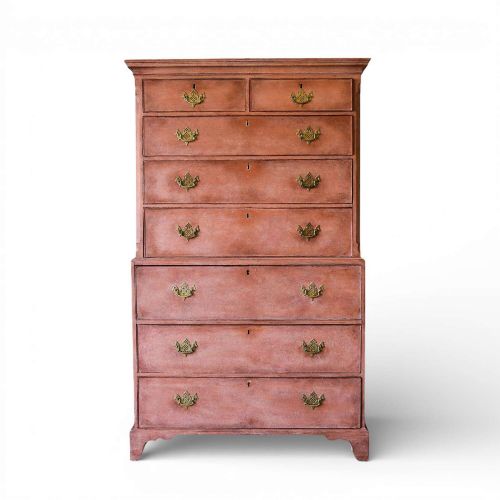


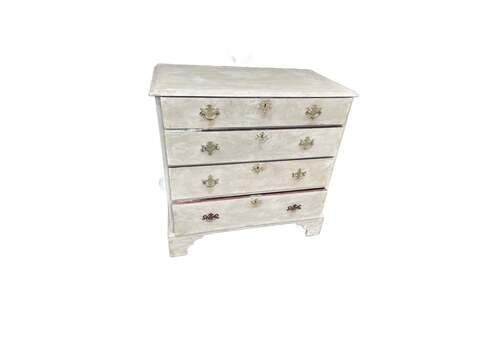


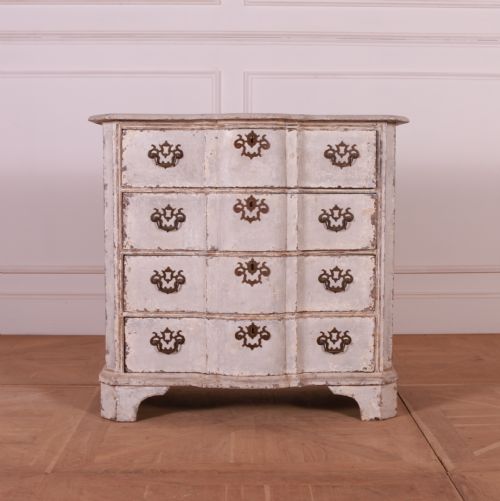


Brass Handle Painted Chest
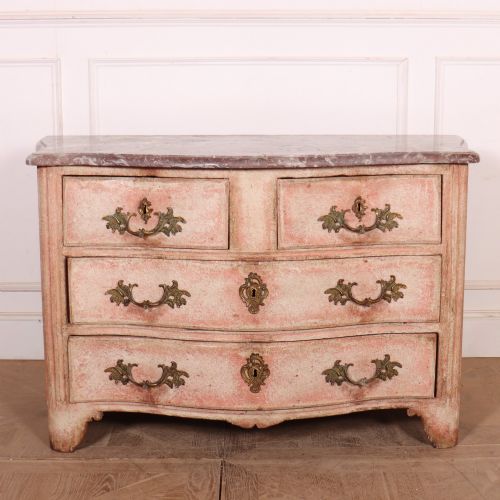
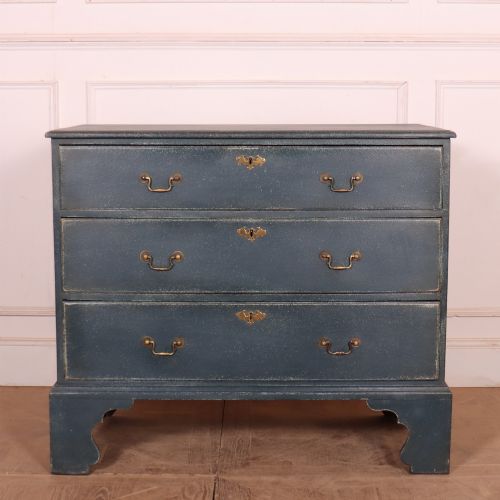
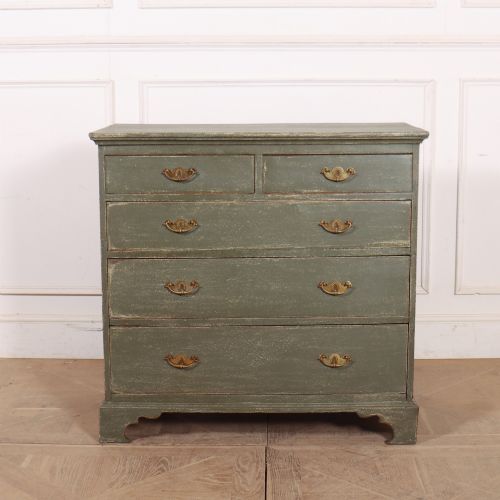
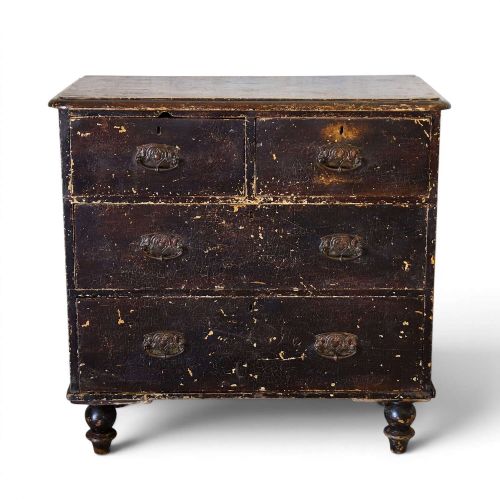
A brass handle painted chest brings colour and utility to a room, offering surface space and deep drawers in timber decorated with pigment.
Brass Handle Painted Chest
A brass handle painted chest combines storage utility with decorative pigment, taking the form of a chest of drawers, a commode, or a bureau across various historical periods. You meet pieces spanning the eighteenth and nineteenth centuries, alongside early twentieth-century examples shaped by English, French, Dutch, and Danish traditions.
The form ranges from bowfront and serpentine shapes to bombe commodes and chests on stands, often fitted with metal drop handles or ring pulls. Many examples display regional character, from English country pine to French decorative commodes and Dutch rococo forms.
Materials and construction
Carpenters built these storage pieces using timbers such as oak, mahogany, pine, and general painted wood, assembled with pegged or dovetailed joints for structural strength. Surfaces received coats of paint, scumble finishes, or distressed mottled blue and black and gold schemes.
Metalworkers cast and shaped brass for handles, escutcheons, and drawer pulls, securing them to the timber drawer fronts with threaded posts or pins. The decorative paintwork applied over the wood provides the primary visual identity alongside the mounted brass hardware.
Brass Handle Painted Chest Retail Price Guide 2026
Typical asking prices for brass handle painted chest among the pieces listed under this phrase on Sellingantiques today, from the lower quarter to the upper quarter. They describe what is for sale here now, not the wider market.
A nineteenth-century barge wear toleware log box brings canal trade folk art straight into the domestic hearth.
Judging quality in painted chests
Quality rests in the harmony between the timber carcase, the execution of the painted surface, and the proportion of the brass hardware. Finer examples display confident brushwork, original pigment layers, and brass mounts that match the scale of the piece.
Construction integrity defines the upper tier, seen in smooth drawer movement, substantial secondary timbers, and well-preserved joinery. Lesser pieces may show heavy later repainting that obscures the original timber substrate and compromises the historical character.
Edwards and Roberts
The Brass Handle Painted Chest Glossary
- Commode
- A low chest of drawers or cabinet, frequently associated with French or Dutch furniture styles of the eighteenth and nineteenth centuries. These pieces often feature decorative painted surfaces and serpentine or bombe outlines.
- Scumble paint
- A translucent or semi-opaque glaze manipulated with brushes, combs, or rags over a lighter ground colour to simulate wood grain or create texture. You find this technique on nineteenth-century pine furniture.
- Bombe
- A swelling, bulging outward contour typical of continental furniture fronts and sides, particularly Dutch commodes. This curved profile requires skilled timber shaping.
- Serpentine
- A front profile curving outward at the centre and inward at the ends, creating a gentle wave shape. Cabinetmakers used this line on eighteenth and nineteenth-century chests.
- Bureau
- A sloping desk enclosing pigeonholes and small drawers, mounted above a chest of drawers. This form combines writing utility with lower storage drawers.
Brass Handle Painted Chest: Frequently Asked Questions
What is a brass handle painted chest?
A brass handle painted chest is a wooden storage unit featuring decorated painted surfaces and fitted metal drawer furniture. These pieces function as domestic storage for clothing and household items.
They take forms ranging from simple country chests to serpentine commodes and drapers cabinets. The combination of painted wood and metal hardware defines their decorative appeal.
How do I date a painted chest?
Dating relies on observing construction methods, timber types, and the style of the painted decoration. Eighteenth-century pieces often display distinct carcase assembly and regional continental forms.
Later nineteenth and early twentieth-century examples show shifts toward scumble finishes and different hardware styles. Examining the drawer linings and backboards helps confirm the period of manufacture.
Where were these chests used?
These chests served primarily in domestic bedchambers, hallways, and living spaces for storing garments and linens. Commercial examples also furnished nineteenth-century draper shops and haberdasheries.
Their decorative painted finishes suited domestic interiors where furniture contributed to the overall colour scheme of a room. Regional styles reflect the local interior tastes of England, France, and the Netherlands.
How do I care for a painted chest?
Caring for a painted chest involves keeping the piece away from direct sunlight and fluctuating humidity to protect the timber and pigment. Dusting with a dry, soft cloth preserves the painted surface without abrasion.
Avoid harsh chemical cleaners that can damage historical paint layers or strip scumble glazes. Wax polishes should be used sparingly and kept away from painted areas.