

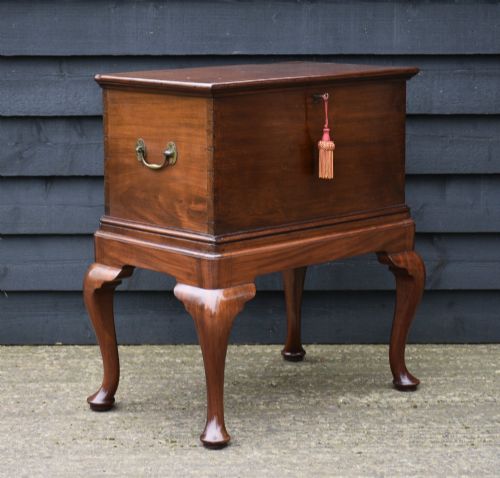
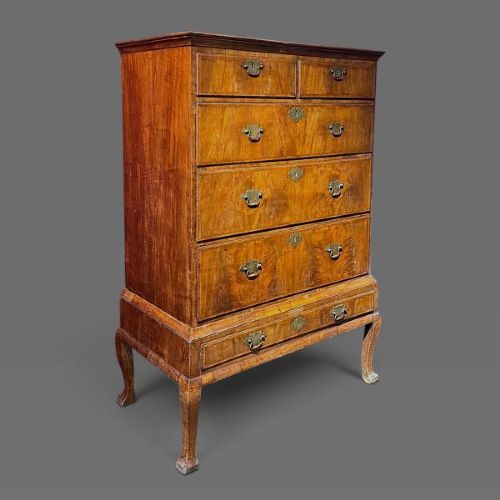
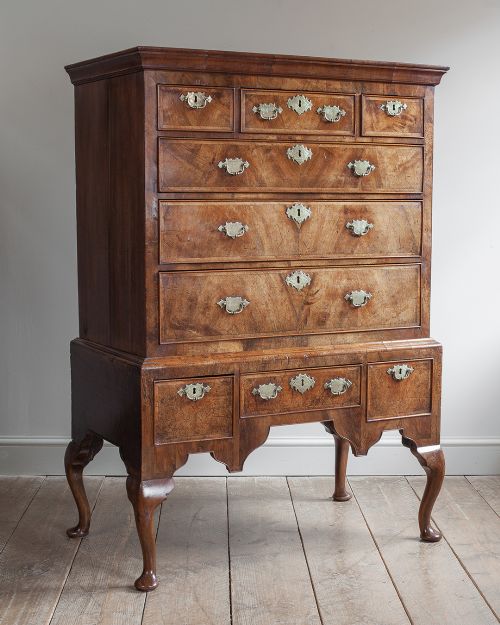


Brass Handle Chest on Stand
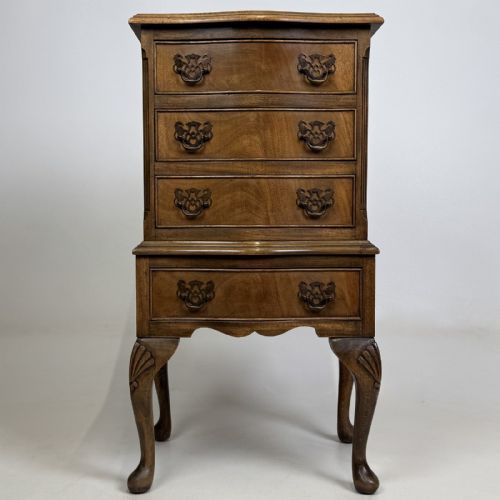
A brass handle chest on stand elevates storage to a fine art, offering compact proportions and distinct period character for any interior.
Brass Handle Chest on Stand
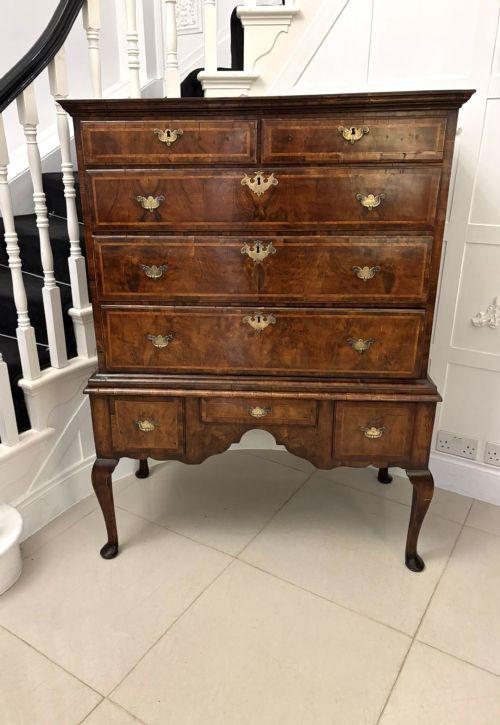
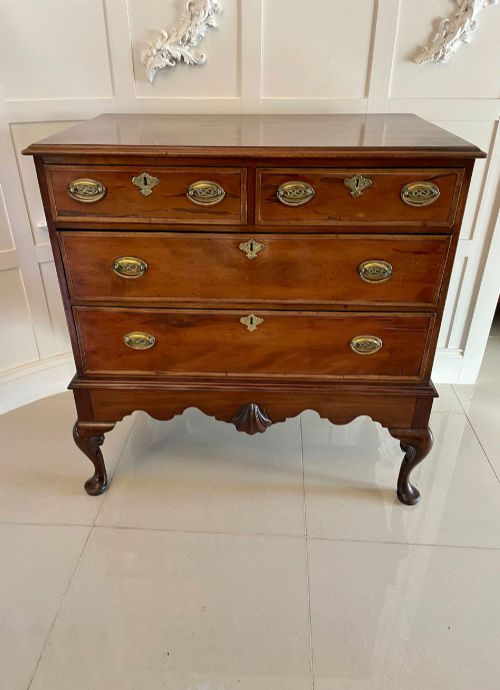
A brass handle chest on stand combines an upper section of drawers with a supporting table base, creating a raised profile that stands apart from standard floor-standing furniture. Buyers searching this phrase look for this elevated form, which originates primarily in the eighteenth century and sees revival iterations through the nineteenth and twentieth centuries.
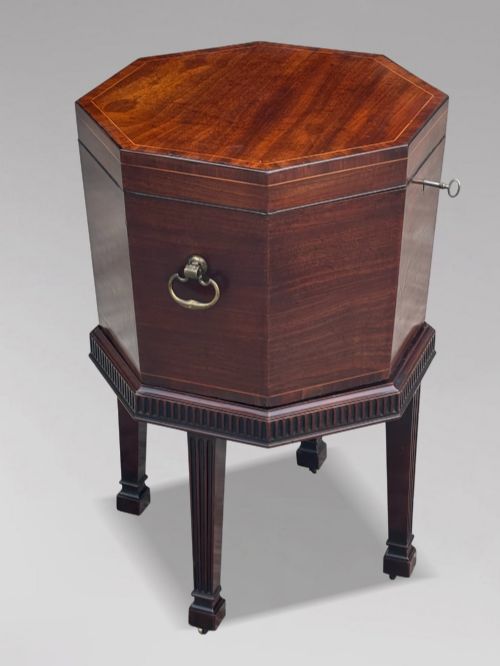
The most frequent examples encountered on this page date from the Georgian era through to the early twentieth century, constructed in timbers such as mahogany, oak, walnut, and burr walnut. These pieces range from simple provincial oak constructions to highly figured walnut and mahogany models featuring specialised veneers and banded details.
Beyond standard drawer configurations, the category encompasses related forms like lowboys, cabinets, and specialised boxes on stands. The unifying element remains the raised stature and functional brass hardware that define the typology across different stylistic periods.
How they were made
Cabinetmakers constructed the main carcase and drawers using native and imported timbers, frequently applying veneers of walnut, burr walnut, laburnum oyster, or mahogany over secondary woods. Crossbanding and line inlay often border the drawer fronts and top surfaces to frame the grain.
Metalworking techniques produced cast and pierced brass drop handles and escutcheons that secure to the drawer faces with pins or wires. These mounts operate in tandem with dovetail joinery on the drawer boxes and pegged joints in the underlying stands.
Brass Handle Chest on Stand Retail Price Guide 2026
Typical asking prices for brass handle chest on stand among the pieces listed under this phrase on Sellingantiques today, from the lower quarter to the upper quarter. They describe what is for sale here now, not the wider market.
Listings feature woods spanning mahogany, oak, walnut, burr walnut, laburnum, fruitwood, and yew wood across multiple centuries.
What varies in quality
The choice of timber figure and veneer selection sets the visual standard, with highly figured burr walnut or meticulously matched mahogany grain commanding greater visual depth. The precision of the cabinetmaker's dovetailing and the crispness of any banding or inlay further distinguish the build.
Hardware integrity plays a role, as original cast brass handles and matching backplates demonstrate superior integration compared to later replacements. The proportions between the upper chest and the supporting stand dictate the overall harmony of the piece.
Muirhead Moffat & Co
The Brass Handle Chest on Stand Glossary
- Chest on stand
- A two-part furniture form consisting of an upper chest of drawers mounted upon a separate low table base with legs. This configuration lifts storage off the floor.
- Lowboy
- A small table with one or more rows of drawers, structurally similar to the base of a chest on stand or functioning independently. It serves as a side table or dressing surface.
- Oyster veneer
- Slices cut transversely from small branches or roots to produce circular or oval patterns resembling oyster shells. This technique appears on early twentieth-century and eighteenth-century surfaces.
- Crossbanding
- A narrow strip of veneer laid around the border of a panel or drawer front with the grain running perpendicular to the surrounding wood. It creates a defined visual frame.
- Escutcheon
- A protective brass plate surrounding a keyhole. These elements match the drop handles on the drawer fronts.
Brass Handle Chest on Stand: Frequently Asked Questions
What is a chest on stand used for?
These pieces provide compact drawer storage while occupying a minimal footprint on the floor. The raised height makes them suitable for bedrooms, hallways, or living spaces where standard tallboys feel too heavy.
They also display decorative objects on the upper surface while keeping smaller items organised within the drawers.
How do I date a walnut chest on stand?
Dating relies on examining the secondary timbers, drawer construction techniques, and veneer patterns. Eighteenth-century examples typically feature hand-cut dovetails and solid timber linings.
Later revivals from the twentieth century often display machine-sawn elements or standardised fixings beneath the polished surfaces.
Are the brass handles original?
Original brass handles leave specific shadow marks and pinholes in the drawer timber that match the backplate dimensions. Replacements often utilise existing holes or leave filled gaps nearby.
Looking closely at the patina and casting quality helps determine whether the hardware matches the age of the wood carcase.
How do I care for antique timber?
Keep these pieces away from direct heat sources and strong sunlight to prevent the timber and veneers from drying out or fading. Regular dusting with a dry, soft cloth maintains the finish without moisture damage.
Applying traditional wax polish occasionally nourishes the grain and preserves the surface sheen.