
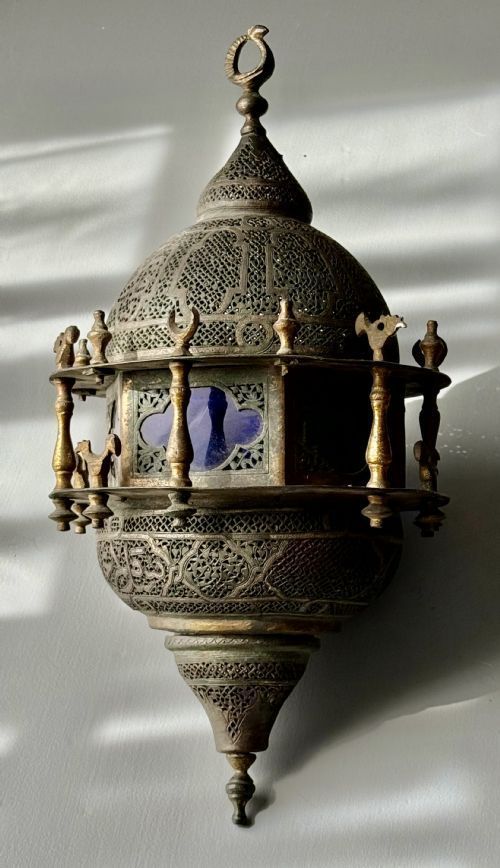
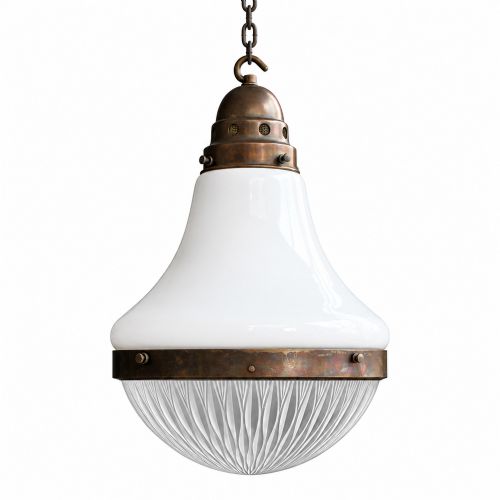
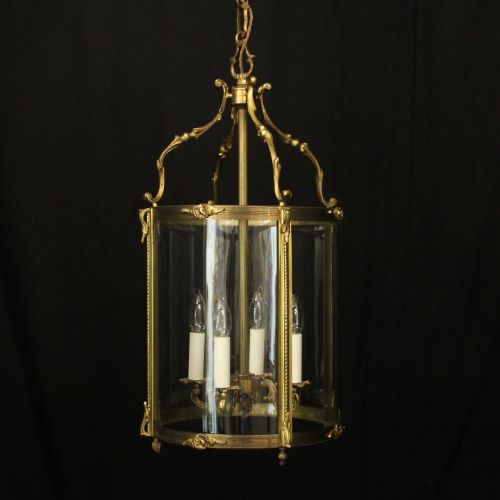
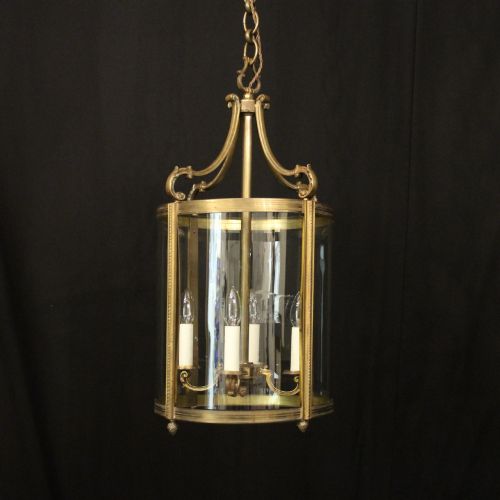

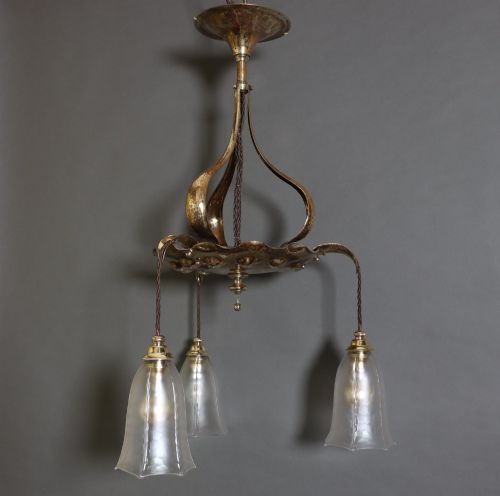
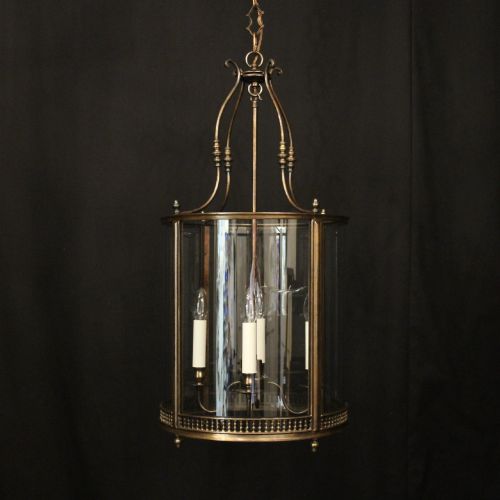
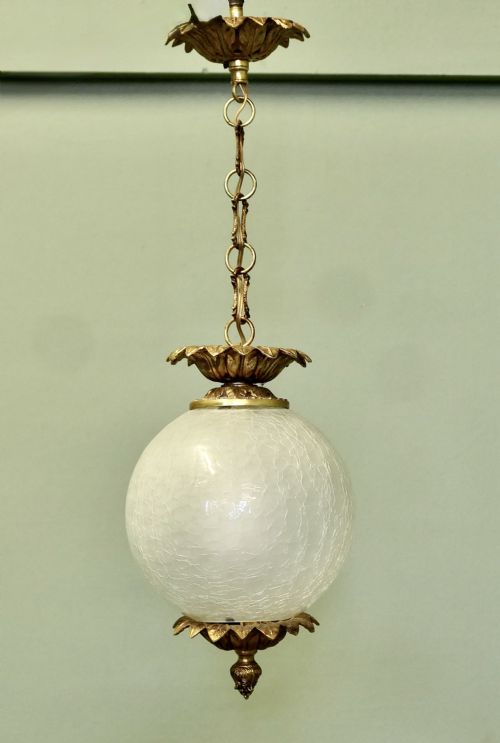
Brass Glass Pendant Lantern
A brass glass pendant lantern brings immediate warmth to an entrance hall, combining metal and glass to diffuse a welcoming glow.
Brass Glass Pendant Lantern
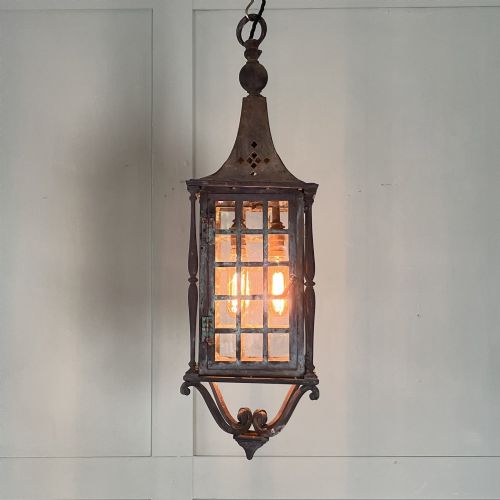
When you search for a brass glass pendant lantern, you encounter overhead hanging light fixtures designed principally for hallways, porches, and vestibules. These pieces typically suspend from chains or rods, casting illumination downwards through protective panes of glass held within metal frameworks.
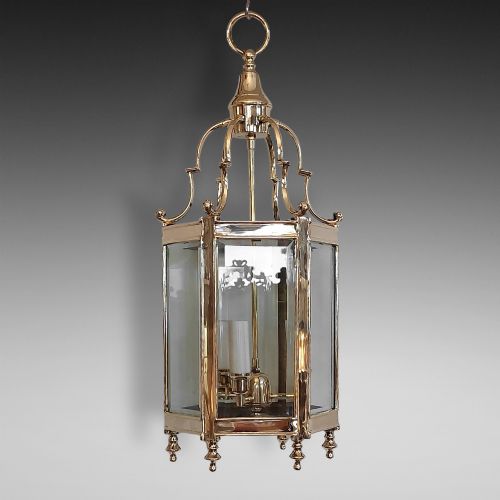
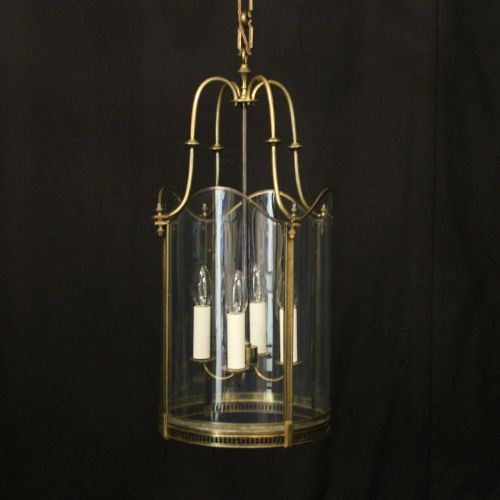
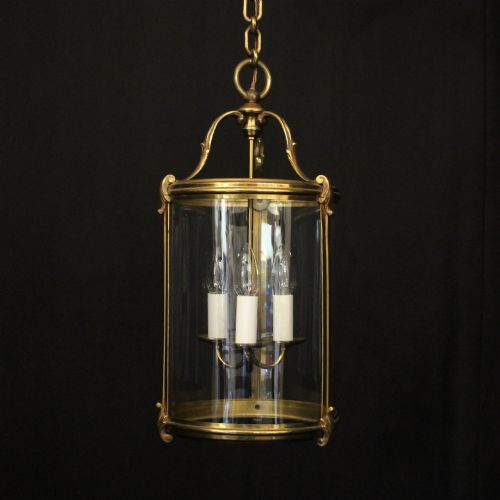
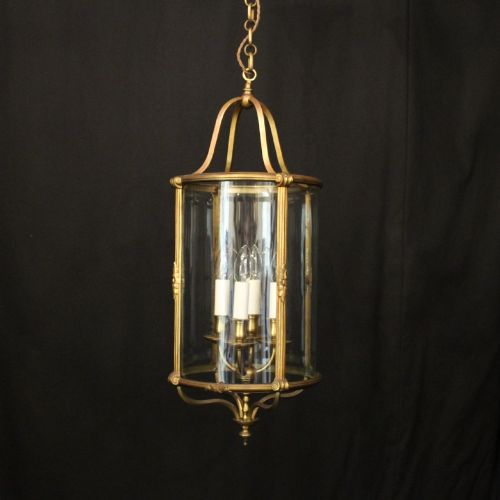
The selections available span multiple decades and stylistic movements, with a particularly strong representation of French and English examples dating from the Victorian era through the early twentieth century. Common forms range from simple hexagonal shapes to elaborate multi-light chandeliers and convex glass designs.
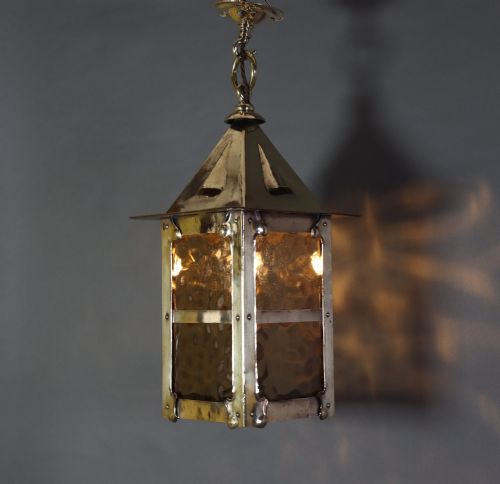
Makers often drew upon historical vocabularies, producing pieces in French Rococo, Neo-Classical, Arts and Crafts, and Art Nouveau styles. Whether housing a single bulb or multiple lights, each fixture serves as both a practical light source and a decorative architectural element.
Materials and construction methods
The foundational framework of these lanterns relies heavily on brass, gilt bronze, copper, and gilded brass, providing sturdy structural support for the glazing. Artisans soldered or screwed these metal elements together, frequently incorporating pierced detailing, cast bronze ornamentation, or applied patination.
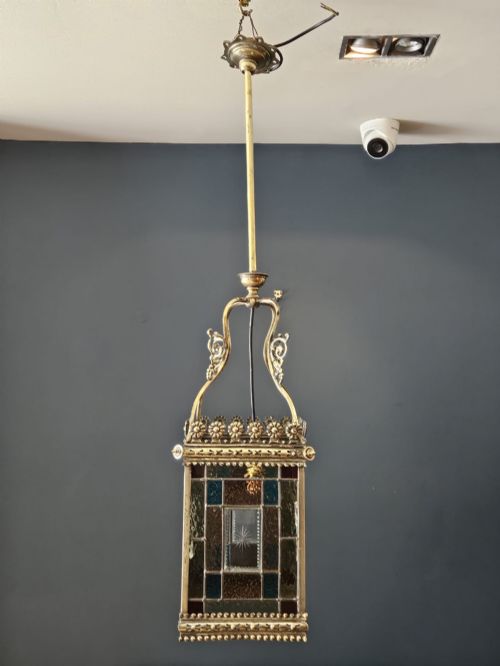
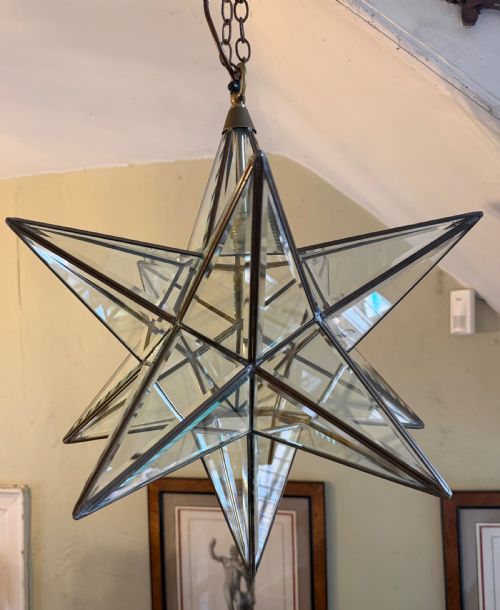
Glazing techniques varied according to the period and intended aesthetic, utilising flat leaded panels, bevelled glass, hand-blown bullseye glass, and curved convex panes. Certain pieces also feature etched glass or moonstone finishes to soften the light emitted from internal burners or early electric fittings.
Railway guards once relied on sturdy copper lanterns to signal trains through the darkest Victorian nights.
Distinguishing quality in period lighting
Quality reveals itself in the weight of the metal casting and the precision of the joinery within the brass frame. Finer examples display crisper chased detail on bronze mounts and thicker gauge brass that maintains structural rigidity over decades of suspension.
The glass panels themselves tell an important story of craftsmanship, where hand-blown or heavy bevelled panes demonstrate superior optical clarity and substantial thickness compared to routine commercial replacements. Superior pieces retain matching original hardware, consistent gilding or patination, and harmonious proportions between metalwork and glass.
The Brass Glass Pendant Lantern Glossary
- Convex glass
- Curved glass panes that bulge outward, frequently seen on French hall lanterns to project light over a wider angle. This technique required skilled glassblowing and careful fitting into the metal armature.
- Lead glass
- Glass panes held together by lead cames, characteristic of Victorian and Arts and Crafts examples. The dark lines of the lead create a geometric grid pattern across the lantern sides.
- Gilt bronze
- Bronze metal treated with a thin layer of gold or gold-coloured alloy, often termedormolu in French pieces. This finish provides a bright, luxurious surface that resists tarnishing.
- Bullseye glass
- Thick, circular glass panes featuring a prominent central swirl or 'bullseye' left by the glassblower's pontil rod. These panels create distorted, warm refraction patterns when illuminated.
- Bevelled glass
- Glass panes featuring angled, ground edges that catch and refract ambient light. This traditional decorative treatment adds visual depth and sparkle to the lantern profile.
Brass Glass Pendant Lantern: Frequently Asked Questions
Where should I hang a hall lantern?
These fixtures suit entrance hallways, corridors, and high-ceilinged stairwells where their downward illumination effectively lights circulation spaces. They also work well in porches and vestibules to create an inviting entrance.
Ensure adequate ceiling height for clearance beneath the pendant drop, allowing the lantern to sit comfortably within the architectural proportions of the room without obstructing passage.
How do I date an antique lantern?
Dating relies on examining the construction of the metal frame, the style of the glass, and the wiring or mounting hardware. Victorian and Edwardian pieces often display heavier cast brass and specific decorative motifs like Arts and Crafts strapwork or Rococo scrolls.
Later twentieth-century examples, such as those from the Art Deco period, introduce cleaner geometric lines and convex profiles. Comparing these physical characteristics against known period styles helps narrow down the decade of manufacture.
Can these antique lanterns be wired safely?
Most period pieces can be fitted with modern electrical wiring by a qualified professional to meet current safety standards. Electricians can thread modern flex through the original suspension chains and adapt internal lamp holders.
It remains important to retain original structural components while updating internal electrical assemblies to preserve the historical integrity of the fixture.
How do I clean brass and glass?
Maintenance involves dusting the glass panels regularly with a soft cloth and using gentle glass cleaner on non-antique panes. Avoid harsh chemical cleaners on patinated brass or gilt bronze surfaces to preserve their historic finish.
Careful wiping prevents dirt build-up without stripping away the natural ageing that collectors value on older metalwork.