

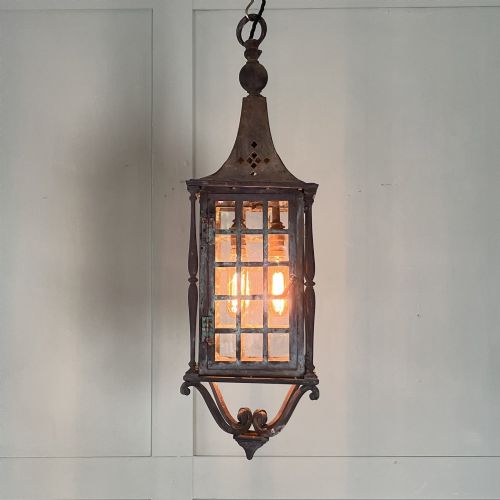
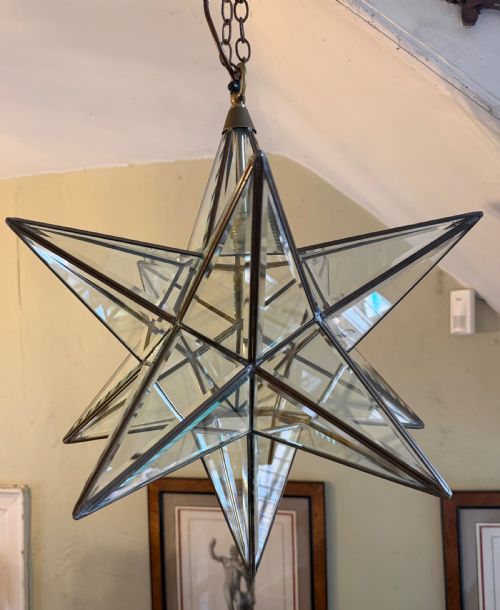
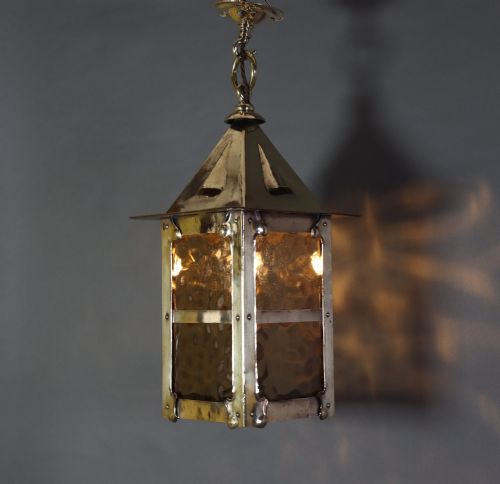
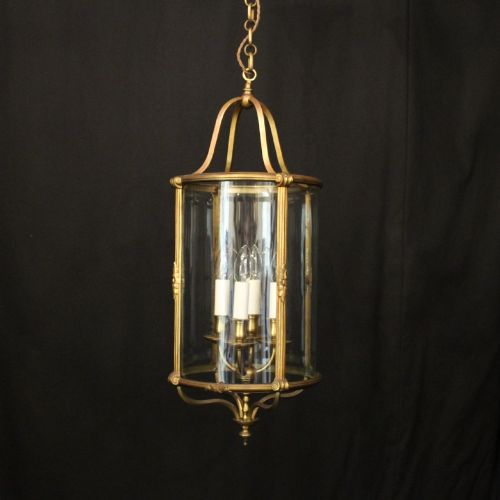
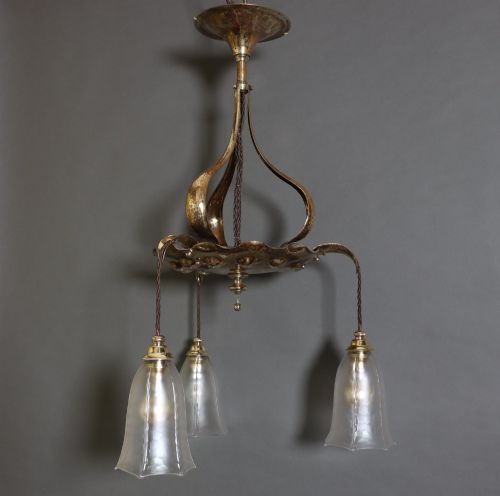
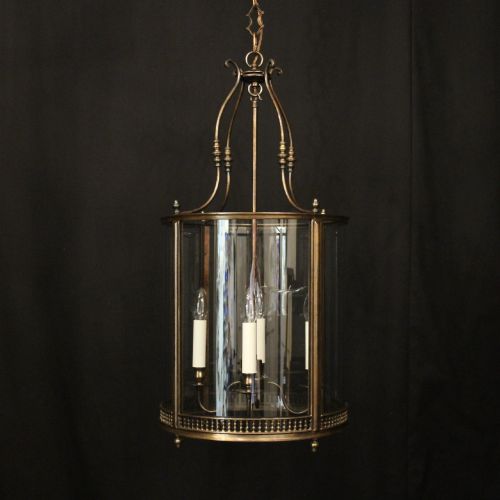
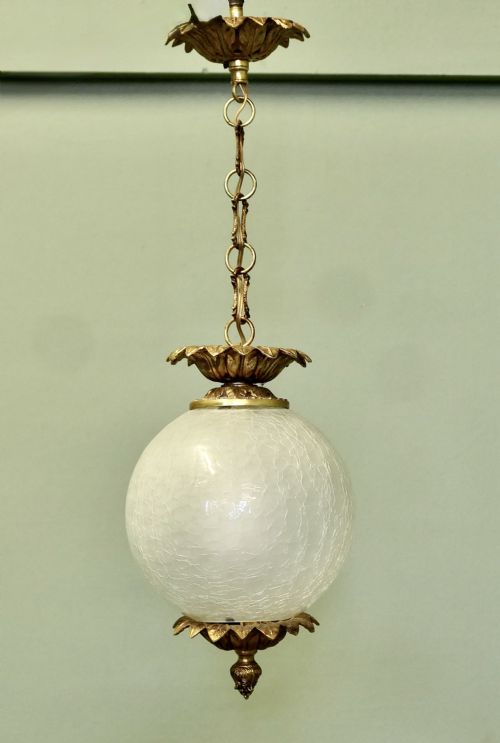
Brass Glass Hanging Lantern
A brass glass hanging lantern brings warmth and definition to a hallway or high-ceilinged room.
Brass Glass Hanging Lantern
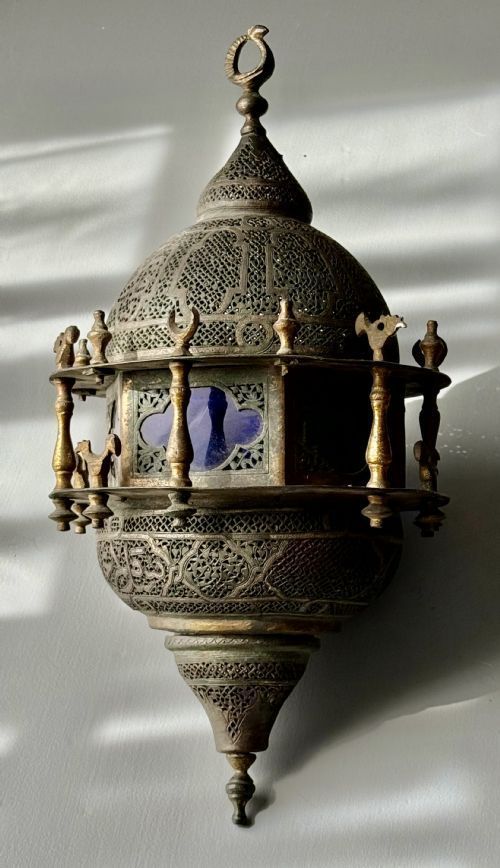
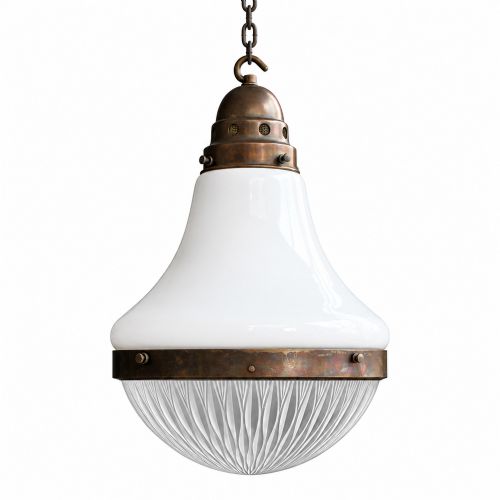
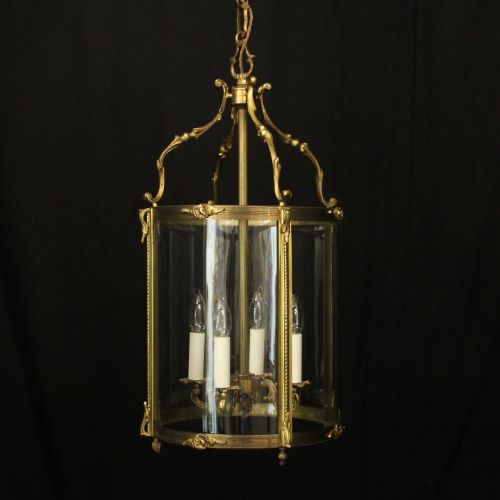
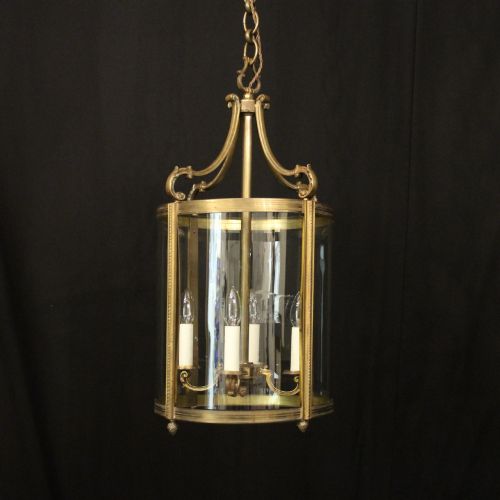
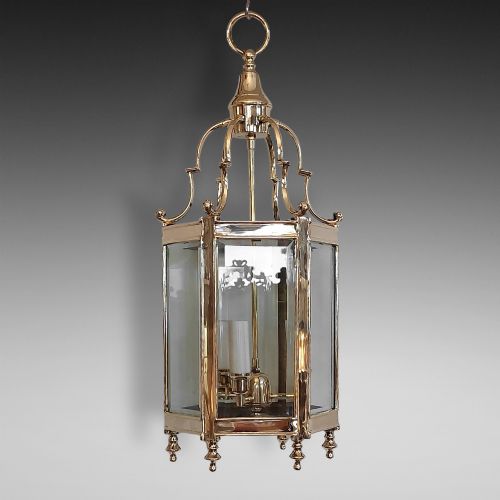
A brass glass hanging lantern forms the centrepiece of a hallway or vestibule, designed to cast ambient light from an elevated ceiling position. When searching for a brass glass hanging lantern, buyers encounter forms ranging from simple hexagonal frames to elaborate French gilded bronze creations. These fixtures serve both practical illumination and decorative grandeur in domestic interiors.
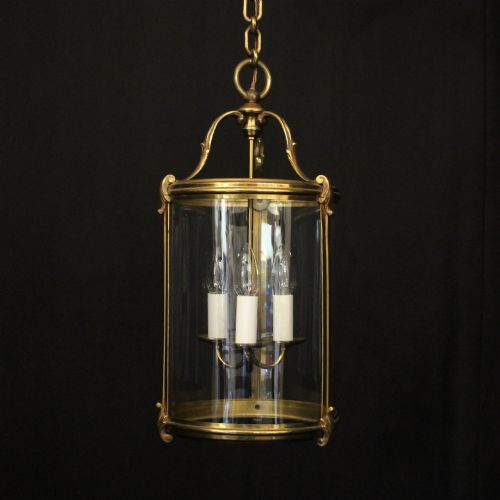
The selections span multiple eras, with Edwardian and 1920s examples appearing frequently alongside Victorian pieces. Styles vary from restrained Arts and Crafts designs to ornate French Neoclassical and Rococo models. French gilded bronze hall lanterns with convex glass feature prominently among the available options.
Factors of Quality
Quality rests in the crispness of the metalwork, the weight of the bronze or brass framework, and the character of the glass panels. Hand-blown bullseye glass or heavily bevelled panes elevate a piece far above standard commercial glazing. Substantial casting and fine chased detail distinguish superior French hall lanterns from simpler domestic fixtures.
Proportion and design cohesion also define the upper tier of pieces. Articulated details such as pierced brass galleries or complex multi-light arrangements show greater workshop skill. The harmony between the metal frame and the specific glass configuration determines the overall visual impact.
Current listings feature pieces spanning the 1860s through to the 1930s, utilising brass, bronze, copper and leaded glass.
The Brass Glass Hanging Lantern Glossary
- Convex glass
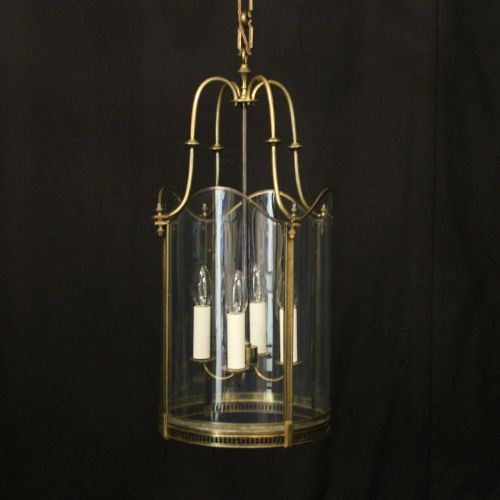
- Glass panels blown or moulded with an outward curve. This technique widens the dispersion of light from the interior bulbs.
- Gilt bronze
- Bronze coated with a thin layer of gold or gold-coloured alloy. It offers a rich, durable surface finish often seen on French hall lanterns.
- Leaded glass
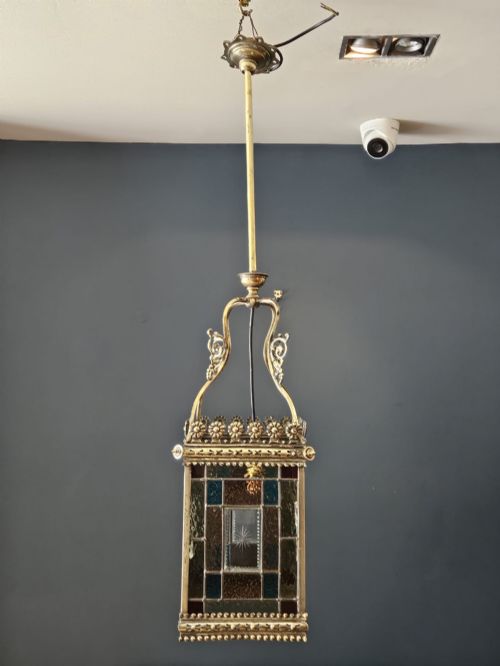
- Individual pieces of glass joined together with lead cames. This method allows for geometric or decorative patterns within flat window sections.
- Bullseye glass
- Circular panes featuring a prominent central pontil scar from the blowing process. These add historic texture and optical distortion to the lantern door.
- Pierced brass
- Metalwork perforated with decorative patterns by hand or press. This technique creates intricate shadow play when the internal light is illuminated.
Brass Glass Hanging Lantern: Frequently Asked Questions
Where should I hang a brass glass hanging lantern?
These fixtures suit entrance halls, high stairwells and vestibules where vertical space allows them to hang freely. Their design directs light downwards and outwards to illuminate transitional spaces.
Ensure adequate ceiling height and clearance for passage underneath before installation. Proper suspension hardware is essential for supporting the combined weight of metal and glass.
How do I date an antique brass lantern?
Dating relies on stylistic clues, construction methods and material patination. Edwardian and 1920s models often reflect Art Nouveau, Arts and Crafts or Art Deco tendencies.
Earlier Victorian and 19th-century examples tend to show heavier cast brass work or simpler geometric leaded patterns. Examining the fixings, wiring channels and glass types provides further chronological context.
Are these lanterns suitable for modern electrical wiring?
Most surviving examples have been adapted or can be re-wired by a professional electrician to meet current safety standards. Internal lamp holders accommodate modern bulbs while preserving the historic exterior shell.
Consult a specialist to ensure the internal carriage safely handles contemporary voltage and heat output without damaging fragile glass or metal components.
How do I clean an antique brass glass lantern?
Dust the exterior framework gently with a soft brush and clean glass panels using a mild glass cleaner applied to a cloth. Avoid harsh chemical polishes that strip historic patination from the brass or bronze surfaces.
Take care around delicate lead cames or antique solder joints when wiping down the interior and exterior glazing.