





Brass Fuel Container
A brass fuel container keeps your hearth tidy, bringing polished warmth and sturdy utility to the fireside.
Brass Fuel Container
A brass fuel container is an essential hearth accessory designed to hold coal or logs close to the fireplace. When you search for a brass fuel container, you encounter practical receptacles built to serve the Victorian and Edwardian sitting room.
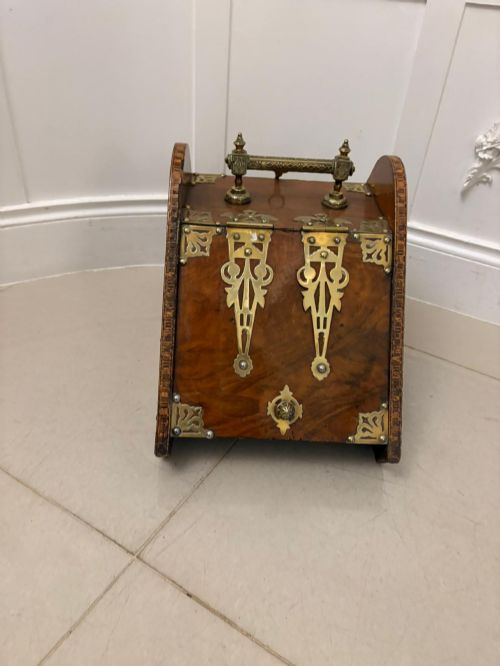
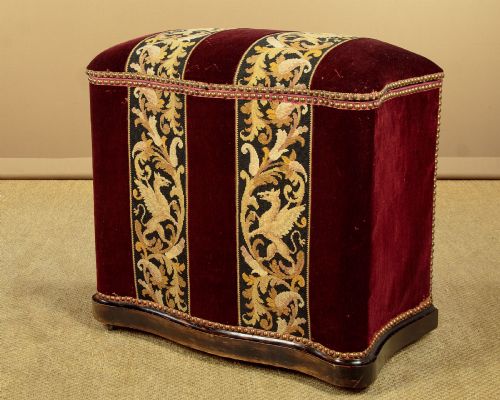
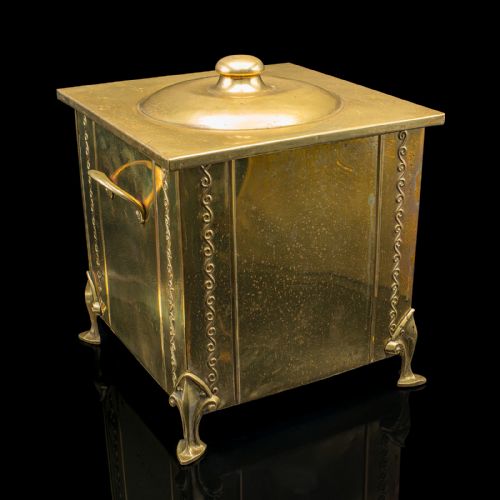
The pieces listed here span the nineteenth century into the Edwardian period, appearing in forms such as coal scuttles, lidded bins, buckets, and upholstered log boxes. You are most likely to meet straightforward brass or copper vessels alongside wood-bodied boxes mounted in brass.
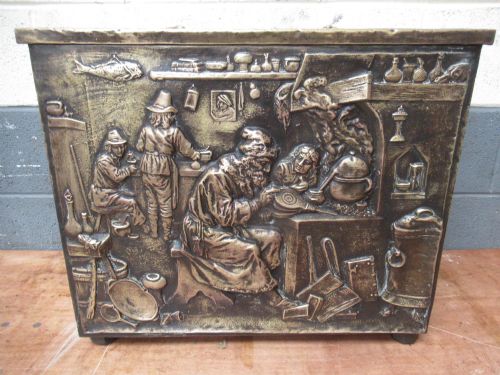
Styles range from simple French provincial and Arts and Crafts designs to heavily embossed Victorian interpretations. Each object serves the dual purpose of domestic storage and fireside decoration.
How they were made
Construction relies heavily on sheet brass and copper, frequently joined by visible rivets or formed through hand-beating and embossing techniques. Metal bodies are often paired with timber frames constructed from walnut, oak, mahogany, or ebonised wood.
Many examples incorporate decorative surface treatments, including carved woodwork, inlaid mahogany, and applied brass mounts. Interiors sometimes feature textile linings such as velvet or tapestry to cushion the fuel and protect the surrounding materials.
Brass Fuel Container Retail Price Guide 2026
Typical asking prices for brass fuel container among the pieces listed under this phrase on Sellingantiques today, from the lower quarter to the upper quarter. They describe what is for sale here now, not the wider market.
Listings feature brass and copper alongside wood bodies in walnut, oak, and mahogany, spanning the Victorian and Edwardian periods.
What varies in quality
Quality separates simple utility wares from superior domestic furnishings through the weight of the metal and the integrity of the joinery. Thicker gauge brass and secure riveting denote a vessel built to withstand heavy daily use.
Fine examples display thoughtful material combinations, such as finely carved oak or figured walnut paired with crisply embossed metal panels. The refinement of secondary details, including hinges, handles, and wood inlay, elevates a utilitarian box into a piece of fine furniture.
Petrus Ramus·Benham & Froud
The Brass Fuel Container Glossary
- Coal scuttle
- A container designed specifically for holding coal, typically featuring a sloping body, a hinged lid, and a carrying handle. These vessels often include a scoop stored in a back sleeve.
- Coal bin
- A freestanding cylindrical or oval container used for storing solid fuel near a fireplace. They usually feature secure lids to contain coal dust and odours.
- Embossing
- A metalworking technique where a design is raised from the reverse side using hammers and punches. This method creates decorative relief patterns across brass surfaces.
- Riveted
- Joined together using short metal pins hammered flat on both ends. This method provides robust structural strength for vessels meant to carry heavy loads of logs or coal.
- Ottoman log box
- A dual-purpose piece of furniture combining fireside fuel storage with an upholstered seat. The top is padded and covered in materials like velvet or tapestry.
Brass Fuel Container: Frequently Asked Questions
How were these containers used?
These containers sat beside the fireplace to hold coal, logs, or kindling ready for the fire. They kept the hearth tidy while ensuring fuel remained within easy reach.
Servants filled them from larger cellar stocks daily, bringing them into the principal rooms for the household's use.
Where should I place a fuel container?
They belong beside a working fireplace, wood-burning stove, or empty decorative hearth. Their substantial metal and wood construction grounds the fireside arrangement.
Many modern homes use them purely as decorative storage for blankets, magazines, or dried kindling rather than coal.
How do I date a brass fuel container?
Dating relies on stylistic clues, construction methods, and materials recorded in the piece. Victorian examples often feature heavy embossing or walnut bodies, while Edwardian versions lean towards inlaid mahogany or simpler brass bins.
Hand-beated copper and stylized motifs often point towards the Arts and Crafts movement of the late nineteenth century.
How do I care for antique brass?
Antique brass requires gentle cleaning to preserve its historic surface and natural patina. Avoid harsh chemical cleaners that strip away the aged character accumulated over decades.
A soft cloth and mild soapy water usually suffice for removing routine dust and soot from fireside use.