




Brass Frame Plaques
These brass frame plaques span eighteenth-century enamel work to Victorian portrait miniatures, offering intimate decorative detail for collectors.
Brass Frame Plaques
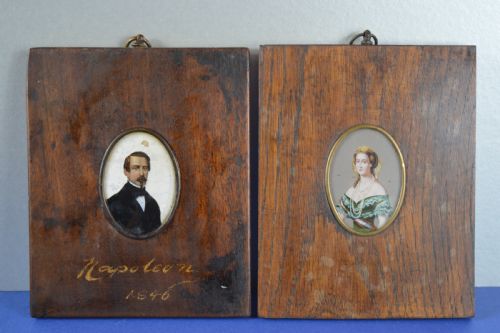
When you search for brass frame plaques, you encounter a varied selection of wall art, decorative plaques, and miniature portraits set within metal housings. The examples appearing on this page range from eighteenth-century South Staffordshire enamel pieces to nineteenth-century porcelain plaques and portrait miniatures.
Most items combine a central image made of enamel, porcelain, or metal with a supportive mount in brass, gilt metal, or ormolu. Forms vary from simple rectangular and oval shapes to elaborate French Rococo Revival frames, oak crest inserts, and table mirrors.
Origin periods stretch from the Georgian era through the Regency period and deep into the Victorian age. Buyers frequently find paired oval enamel plaques, commemorative French bronze medallions, and porcelain works bearing detailed painted figures.
How they were made
The construction of these pieces relies heavily on the pairing of vitreous materials like enamel and porcelain with cast or pressed metal surrounds. Artisans utilised copper bases for detailed enamel work, firing pigments at high temperatures to achieve durable coloured surfaces.
Frames and mounts are typically cast from brass, gilt metal, or ormolu, sometimes incorporating wooden elements such as oak surrounds. Portrait miniatures and silhouettes often combine painted ivory, paper, or gilded metal beneath protective glass panels held securely by the surrounding brass structure.
The documented periods span the eighteenth century, the Regency era, the Victorian period, and specific dates like eighteen-eighty.
What varies in quality
The weight and finish of the brass or ormolu mounting also distinguish finer pieces, where chased details and secure joints demonstrate higher craftsmanship. Inferior items often show softer casting lines and less refined painted execution on the central subject.
George Atkinson·Berlin KPM·F. Bienvue
The Brass Frame Plaques Glossary
- Enamel
- A glassy substance fused to a metal base through firing. It provides a durable, glossy surface frequently seen in eighteenth-century decorative items.
- Ormolu
- Finely ground high-carat gold applied to a bronze or brass base object. This technique creates a rich golden finish common in French decorative arts.
- Portrait Miniature
- A small, highly detailed painting depicting a person. These works were executed on materials such as ivory, vellum, or card and housed in protective frames.
- South Staffordshire
- An English regional centre known for eighteenth-century enamel production. Workshops here specialised in small luxury items including snuff box lids and decorative plaques.
- Silhouette
- A two-dimensional profile portrait filled in with a solid colour. They were frequently cut from paper or painted on card or glass during the Georgian and Regency periods.
Brass Frame Plaques: Frequently Asked Questions
How were brass frame plaques displayed?
Many of these items were designed to hang directly on interior walls as decorative art or commemorative displays. Others functioned as tabletop accessories, standing mirrors, or inset components within larger wooden furniture.
Smaller portrait miniatures and enamel pieces were often grouped in sets or pairs to create balanced arrangements within domestic spaces. Their portable nature allowed owners to move them easily between rooms or place them on mantelpieces.
What materials make up the frames?
The housings typically consist of brass, gilt metal, or ormolu, which provided a durable and decorative border for fragile interior panels. Some pieces incorporate wooden elements, such as oak crests, to add structural depth and textural contrast.
Glass panels frequently protect the painted surfaces of portrait miniatures and silhouettes from dust and physical damage. The combination of metals and protective glazing ensured the longevity of delicate interior artwork.
How do I identify eighteenth-century pieces?
Eighteenth-century examples often feature characteristic South Staffordshire enamel work on copper bases, typically displaying soft pastel tones and fine craquelure under close inspection. The subjects frequently reflect Georgian aesthetics, including pastoral scenes or classical motifs.
The construction of the brass frames from this era tends to show hand-finished tooling marks rather than mass-produced uniformity. Comparing the mounting techniques and pigment styles helps separate these earlier works from later nineteenth-century revivals.
Are these pieces usually found as pairs?
Several listings feature matching pairs of enamel plaques or portrait miniatures created to hang symmetrically on either side of a doorway or mirror. Makers often produced decorative wall art in matched sets to satisfy interior design preferences for balance.
Single pieces also appear frequently, representing standalone portraits, commemorative medallions, or remnants of larger sets. Each format offers a distinct way to integrate antique metalwork into modern decorative schemes.