

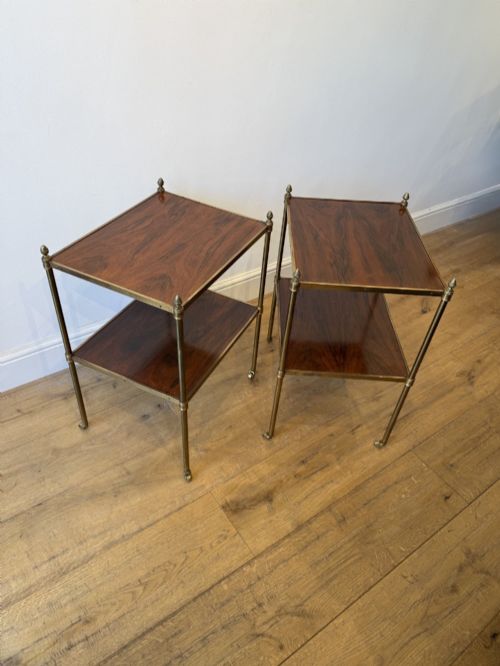


Brass Frame Pair
A brass frame pair brings symmetrical metallic warmth to a room, offering matched decorative or functional objects forged from durable metal alloys.
Brass Frame Pair
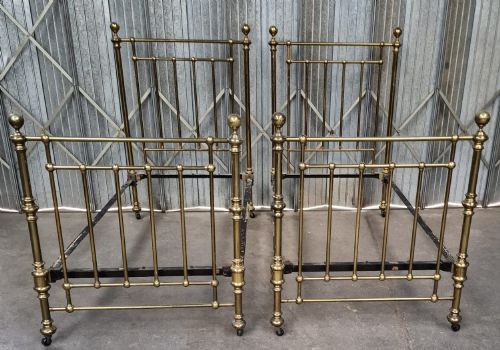
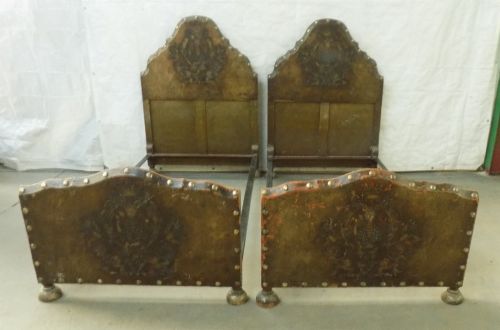
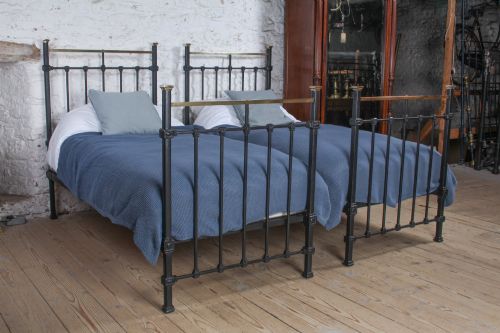
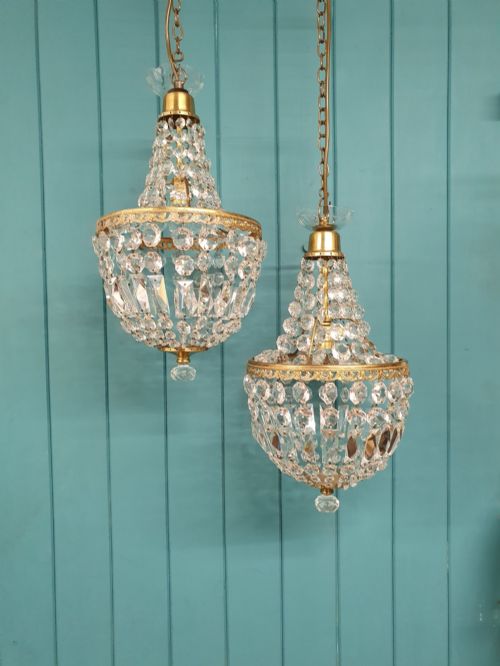
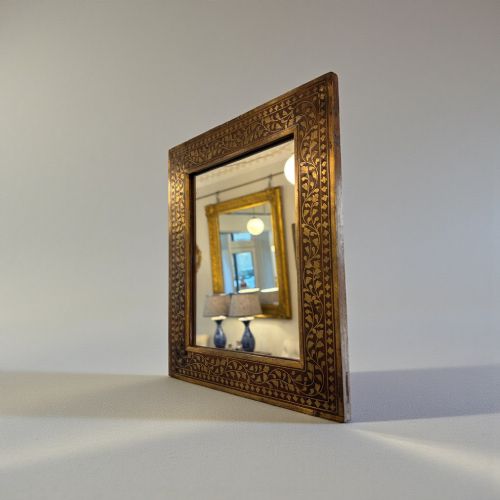
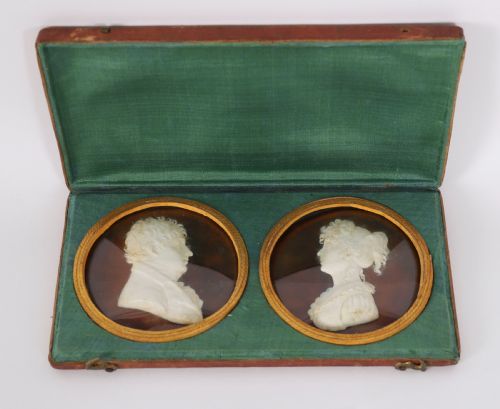
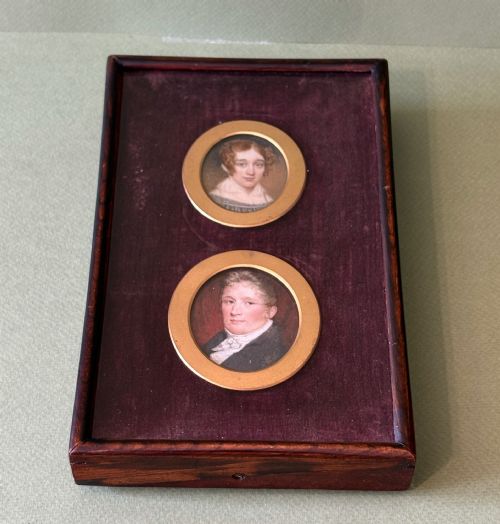
When you search for a brass frame pair, you encounter a diverse collection of matched items featuring prominent brass construction or mounting. These selections most commonly include picture frames, wall mirrors, and structural furniture components spanning several centuries from the eighteenth through the early twentieth century.
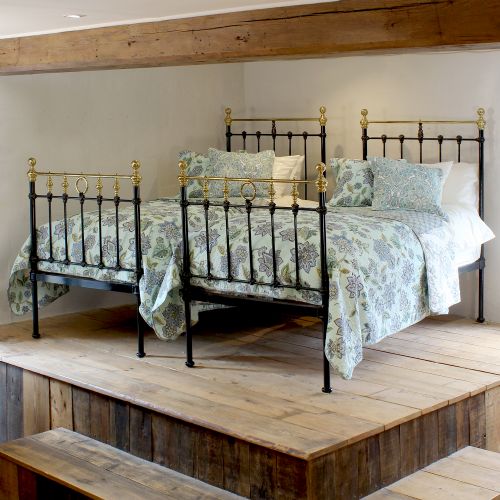
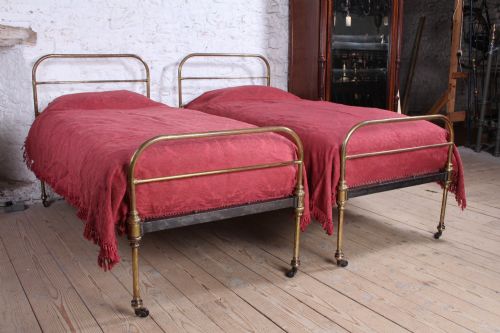
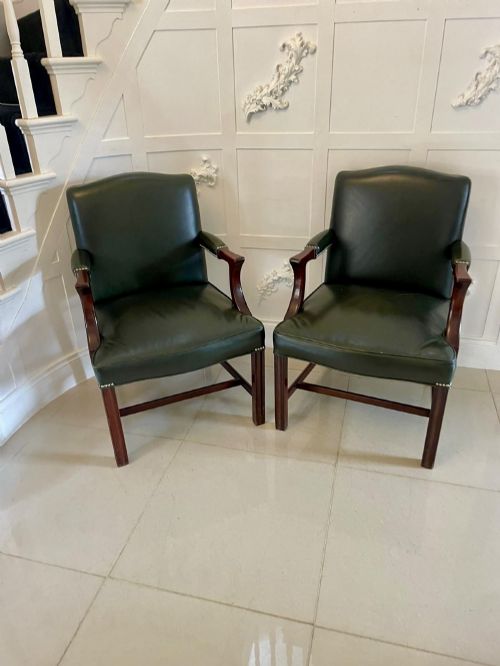
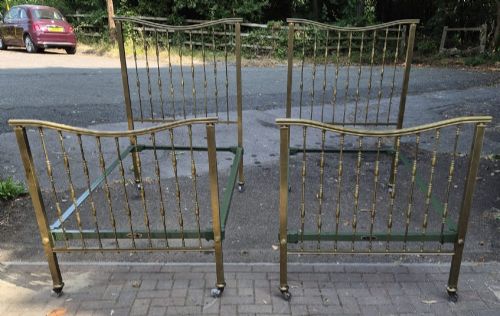
The objects appearing under this description range from French bistro mirrors and Art Nouveau photo frames to structural bedsteads and etageres. Victorian and Edwardian examples feature heavily, often paired with iron, glass, wood, or leather elements to create functional domestic furnishings.
Buyers frequently select these matched items to create balanced interior displays on mantelpieces, walls, or flanking architectural focal points. The duality inherent in each set provides immediate visual harmony within period and traditional room settings.
Materials and construction techniques
Makers utilised cast and sheet brass alongside structural iron, timber frames, and glass to construct these matched pieces. Metal components were frequently polished, patinated, or gilt, while wood elements like mahogany, satinwood, and walnut provided sturdy backings and subsidiary structures.
Assembly techniques varied according to the object type, joining metals through casting, riveting, or soldering while securing mirrors and portrait miniatures within protective bezels. Inlay work, such as Kashmiri or Hoshiarpur brass detailing, required precise hand-cutting of metal into wooden surfaces.
Brass Frame Pair Retail Price Guide 2026
Typical asking prices for brass frame pair among the pieces listed under this phrase on Sellingantiques today, from the lower quarter to the upper quarter. They describe what is for sale here now, not the wider market.
Listings feature items spanning the eighteenth, nineteenth, and early twentieth centuries, incorporating materials such as brass, crystal, mahogany, and cast iron.
Distinctions in craftsmanship and condition
Quality in these matched pieces rests upon the crispness of metal casting, the depth of chasing or engraving, and the structural integrity of the frames. Superior examples display refined surface patination and meticulous attention to joint construction rather than mass-produced uniformity.
The preservation of original glass, mirror plates, and backing materials significantly elevates an item's integrity. Subtle variations in hand-finished decorative details highlight individual artisan skill across both decorative photo frames and large architectural mirrors.
Hoskins & Sewell·Mallett·Moseley·Thomas London·Versace
The Brass Frame Pair Glossary
- Brass
- A yellow alloy composed primarily of copper and zinc, widely utilised for decorative frames, furniture mounts, and light fittings throughout the Victorian and Edwardian periods.
- Gilt metal
- Base metal treated with a thin layer of gold or gold-coloured wash to simulate solid or fire-gilt items. This finish appears frequently on nineteenth-century picture frames and wall lights.
- Cast iron
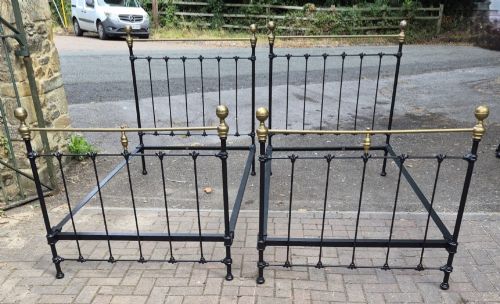
- A strong, hard iron-carbon alloy poured into moulds to create rigid structural forms, often combined with brass components on nineteenth-century bedsteads.
- Etagere
- A set of open tiered shelves designed for displaying small ornaments, occasionally constructed in matched pairs featuring wood and metal elements.
- Portrait miniature
- A small, highly detailed painting, silhouette, or wax relief housed within a protective frame, frequently collected as matched pairs.
Brass Frame Pair: Frequently Asked Questions
Can these antique bed frames still support modern mattresses?
Many nineteenth-century single iron and brass bedsteads were manufactured in standard dimensions or can be adjusted using modern supportive slats. It is essential to verify internal rail measurements before attempting to fit contemporary mattresses.
Some single beds were specifically constructed with fixings allowing them to be joined together as a larger unit. Consulting specialist bed makers ensures safe adaptation for daily domestic use.
How do I distinguish Victorian brass from later reproductions?
Authentic Victorian brass components typically display subtle casting flaws, hand-finished file marks, and consistent natural patination developed over decades of exposure. Fixings often utilise hand-cut slotted screws rather than modern Phillips head screws.
Weight and rigidity also offer clues, as older cast elements tend to feel substantial compared to lightweight modern counterparts. Examining the construction of joints and backing materials provides further verification of period origin.
Where should I hang a matched pair of mirrors?
Matched mirrors work effectively when positioned symmetrically flanking a fireplace, doorway, or large piece of case furniture. This placement enhances natural light reflection and establishes formal balance within a room.
Ensure wall fixings are rated to support the combined weight of both frames safely. Hanging them at eye level maintains correct visual proportion relative to surrounding furnishings.