


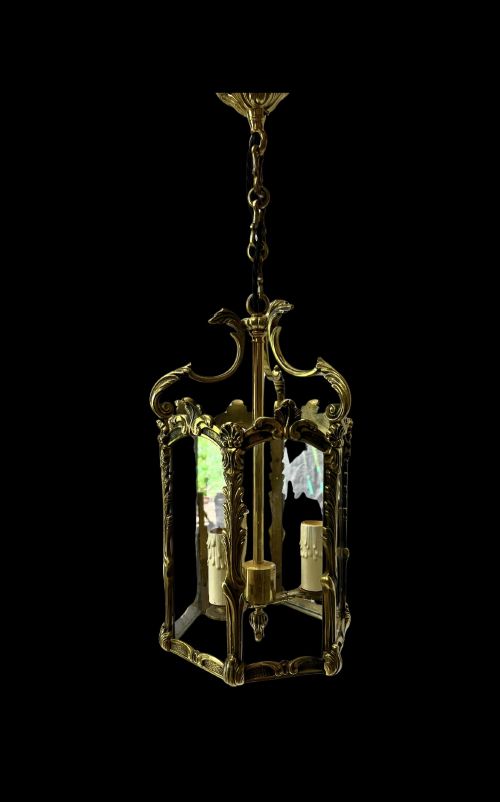


Brass Entryway Light
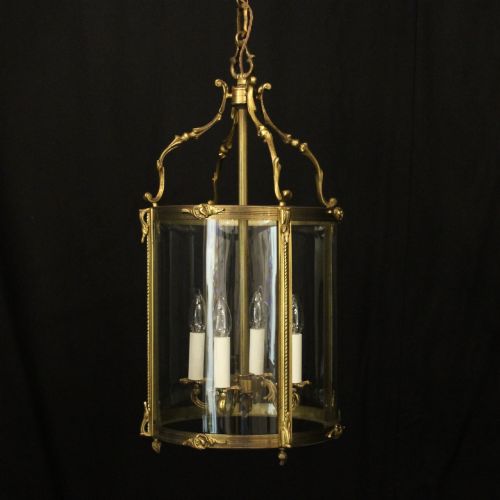
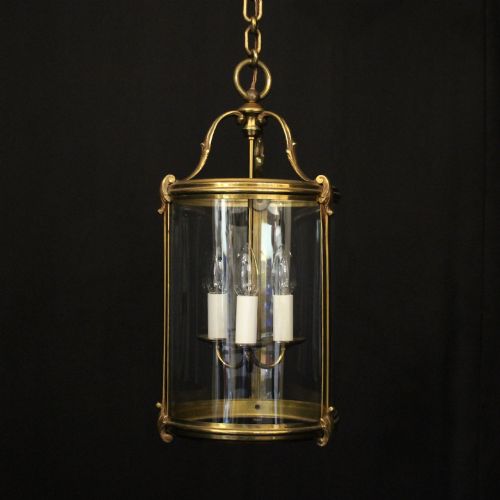
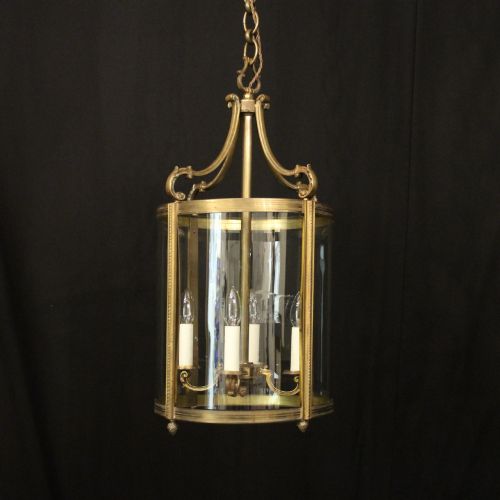
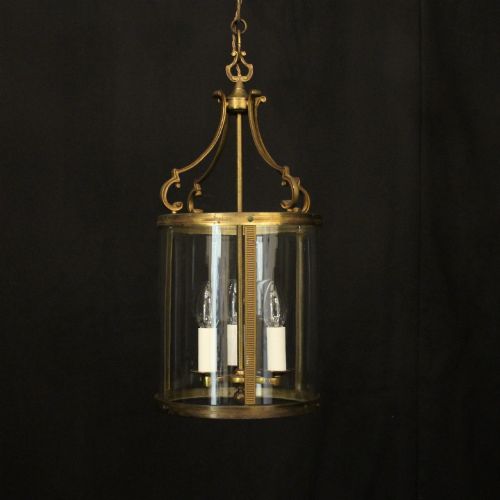
These brass entryway light fixtures combine glass and metal to illuminate corridors, drawing the eye upwards with period distinction.
Brass Entryway Light
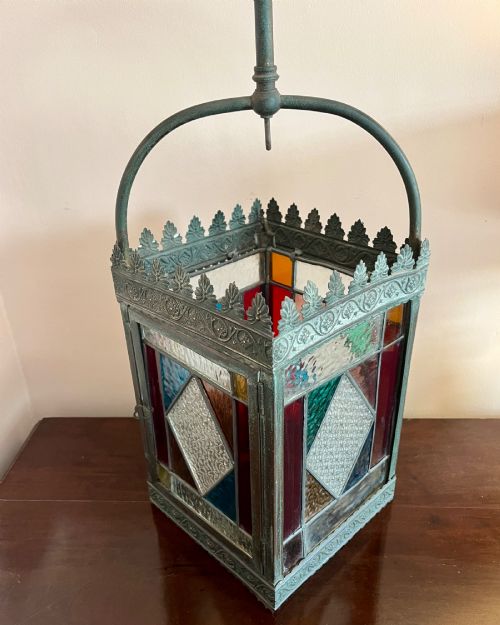
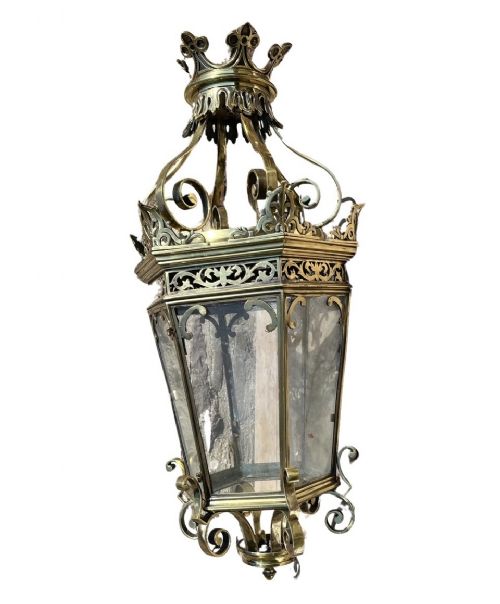
When you search for a brass entryway light, you encounter hall lanterns, ceiling lights, and pendant lights designed to hang in corridors and halls. The pieces listed here span periods from 1860 through the Edwardian era up to 1930, capturing Victorian solidity and later decorative tastes. French examples in this selection frequently adopt Rococo, Neoclassical, and Louis XVI styles, whilst English pieces lean towards Regency or Gothic Revival aesthetics.
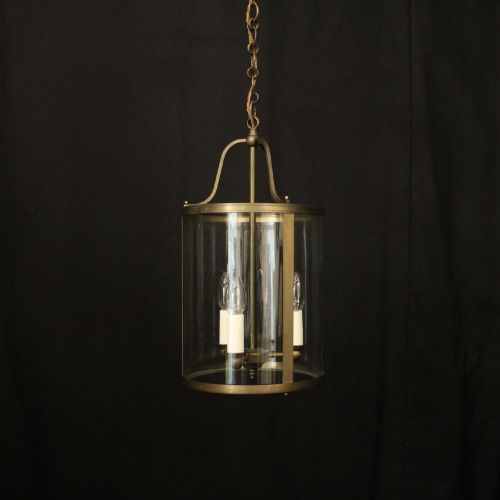
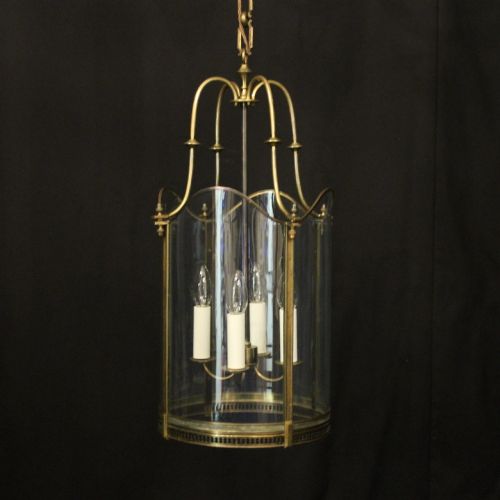
The most common form on this page is the hall lantern, particularly convex French designs utilising gilded bronze, gilt brass, or standard brass frames combined with glass panels. These range from single-light versions to larger triple and four-light configurations equipped with doors for access. Alongside these French works, English brass and copper porch lanterns and large ceiling lanterns appear from the mid-nineteenth to the early twentieth century.
Materials and construction
Makers constructed these lanterns using brass, gilt brass, gilded bronze, and copper frames fitted with clear or curved glass panels. Several pieces incorporate gilt bronze or gilded brass to achieve a rich metallic sheen, whilst others rely on the warm industrial tone of plain brass and copper.
Craftsmen built these structures to house interior lighting safely in high-traffic corridors, employing hinged doors for bulb access and durable metal framing to support multiple lights. The integration of convex glass panels in many French hall lanterns required precise metalwork to secure curved panes within the cast or fabricated bronze and brass structures.
Brass Entryway Light Retail Price Guide 2026
Typical asking prices for brass entryway light among the pieces listed under this phrase on Sellingantiques today, from the lower quarter to the upper quarter. They describe what is for sale here now, not the wider market.
Several lanterns include tiny hinged doors, built so someone could reach inside with a taper to light the wick.
Assessing craftsmanship and finish
Quality in these fixtures rests upon the crispness of the cast metal detailing and the weight of the bronze or brass used in the frame. Pieces featuring heavy gilt bronze or intricate French Neoclassical and Rococo casting display a superior hand compared to simpler utilitarian designs.
The integration of the glass panels also dictates the standard of the piece, with convex or multi-paned glass fitted flush into substantial metal channels representing finer construction. Furthermore, the longevity of the original gilding or the integrity of the patination on the brass and copper surfaces marks the distinction between standard production and exceptional examples.
The Brass Entryway Light Glossary
- Hall lantern
- A ceiling-hung lighting fixture designed specifically for narrow spaces like hallways and entryways. These typically feature glazed sides and enclosed tops.
- Gilt bronze
- Bronze metal that has been coated with a thin layer of gold or gold-coloured leaf. This technique provides a durable metallic finish that resists tarnishing.
- Convex glass
- Curved glass panels used in lantern construction to diffuse light outwards. This shape adds volume and visual interest to the profile of the fixture.
- Gothic Revival
- An architectural and decorative style drawing inspiration from medieval forms. Pieces in this aesthetic often display pointed arches and heavy ecclesiastical detailing.
- Louis XVI style
- A French design movement characterised by classical restraint, straight lines, and symmetrical ornamentation. It frequently informs the decorative mounts of early twentieth-century lighting.
Brass Entryway Light: Frequently Asked Questions
How do I hang a hall lantern safely?
These fixtures require professional installation to ensure the ceiling can support the weight of the brass and bronze frames.
An electrician should secure the hanging mechanism directly to a joist while managing the internal wiring for multiple bulbs.
Are these lights suitable for outdoor porches?
Certain pieces, such as Edwardian brass and copper porch lanterns, were originally designed for sheltered exterior entryways.
Check the weatherproofing of the specific wiring before exposing historical fixtures to direct moisture.
How do I clean antique brass and glass?
Dust the metal and glass regularly with a soft, dry cloth to prevent grime accumulation on the intricate frames.
Avoid abrasive chemical cleaners that can strip original gilt surfaces or historic patination from the brass and bronze.
What is the difference between a pendant and a hall lantern?
Hall lanterns feature enclosed glass panels held within a rigid metal cage designed to direct light in narrow corridors.
Pendant lights often feature open shades or simpler drops that cast uninhibited illumination across a wider space.