


Brass Desk Model
These brass desk model pieces bring maritime ordnance and scale engineering to the study, offering tactile history for the collector's workspace.
Brass Desk Model
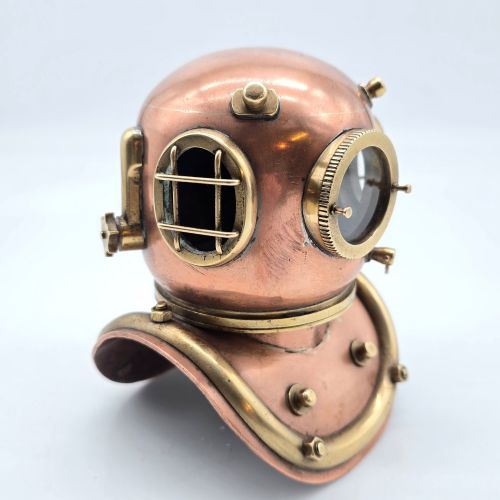
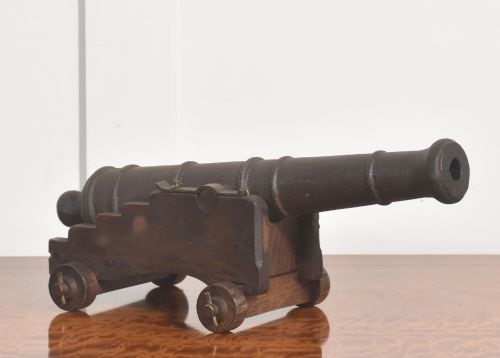
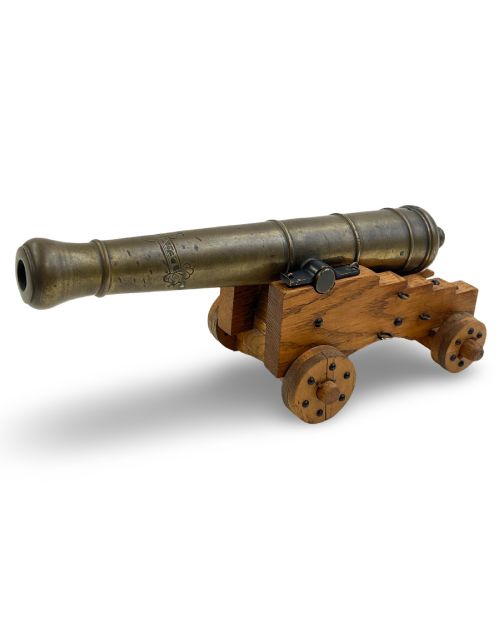
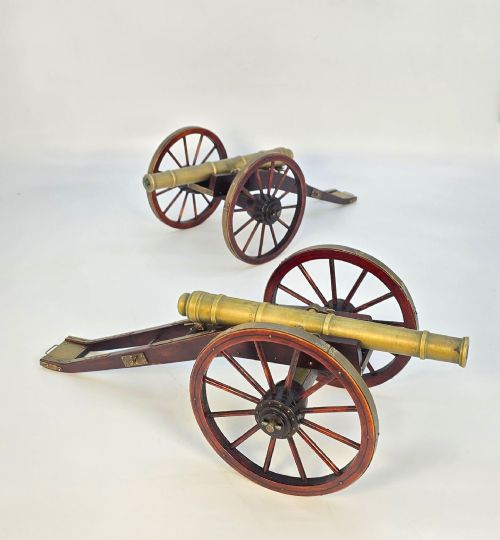
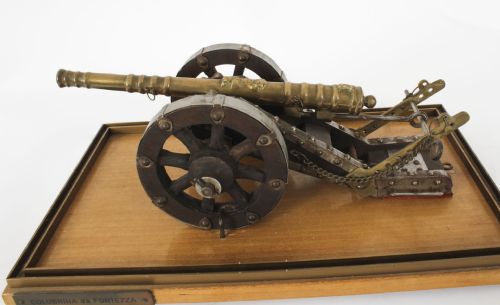
A brass desk model typically takes the form of a miniature signal cannon, marine anchor, or nautical ornament designed for the writing table or mantelpiece. The pieces seen here span centuries of craftsmanship, often combining metal barrels with wooden carriages.
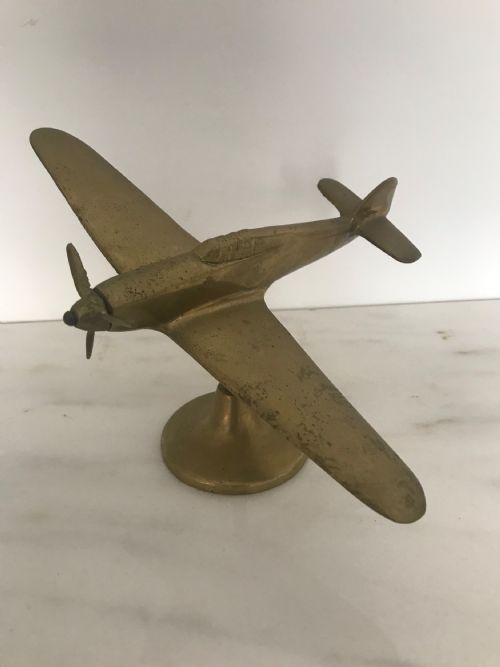
Beyond marine subjects, the selection includes scale aircraft, engineering miniatures, and precision timepieces like the Atmos clock. These decorative objects reflect a long tradition of utilitarian items rendered in miniature for display.
Originating largely from nineteenth and early twentieth-century workshops, these models serve as desktop ornaments that echo the maritime and military technology of their eras.
Materials and construction
The construction relies heavily on cast brass, bronze, and iron, often paired with hardwood or oak carriages and mounts. Artisans utilised casting and polishing techniques to create detailed metal barrels and fittings.
Secondary materials such as glass, steel, and mahogany appear frequently in the bases and clock casings. Hand-built assembly ensures that each piece retains distinct tooling marks from the maker's bench.
Listings feature periods from the eighteenth century through to mid-century modern designs, utilising brass, bronze, cast iron, and oak.
Judging quality in a model
Quality rests upon the crispness of the casting detail and the fidelity of the scale proportions. Superior examples display clean finishing on the metalwork and robust joinery on any wooden carriage elements.
The weight of the piece and the integrity of the materials, such as heavy bronze barrels or solid oak mounts, distinguish finer workshop productions from lighter decorative items.
Jaeger Le Coultre
The Brass Desk Model Glossary
- Signal cannon
- A small piece of ordnance used for firing blanks to signal times or events rather than for combat. These are frequently found scaled down as desk ornaments.
- Ormolu
- Gilded bronze used for decorative mounts and objects, particularly popular in French-influenced design. It provides a bright metallic finish that resists tarnishing.
- Atmos clock
- A mechanical timepiece driven by changes in atmospheric temperature and pressure, removing the need for manual winding. Jaeger Le Coultre produced notable examples of these clocks.
- Militaria
- Collectable items associated with military history, uniforms, and weaponry. Scale models of field guns fall directly into this category.
Brass Desk Model: Frequently Asked Questions
What is a brass desk model?
A brass desk model is a small-scale decorative object, often shaped like a cannon, anchor, or aircraft, designed for display on a table or desk.
These pieces were produced across various periods, combining metals like brass and bronze with wooden carriages.
How were signal cannon models used?
Signal cannons were miniature ordnance pieces intended for firing blank charges to mark occasions or test gunpowder.
On a desk, they functioned purely as ornamental conversation pieces rather than operational weaponry.
How do I care for polished brass?
Polished brass requires gentle dusting with a soft cloth to maintain its finish and prevent dust accumulation in detailed crevices.
Avoid abrasive cleaners that can strip the original surface or damage any applied patination.
How are periods identified?
Periods are determined by stylistic cues, material combinations, and manufacturing techniques characteristic of specific decades.
Signatures, inscriptions, and documented design models also help date each piece.