




Brass Cup
A brass cup brings substantial weight and warm metallic tone to a room, offering both practical drinking vessels and decorative display pieces.
Brass Cup
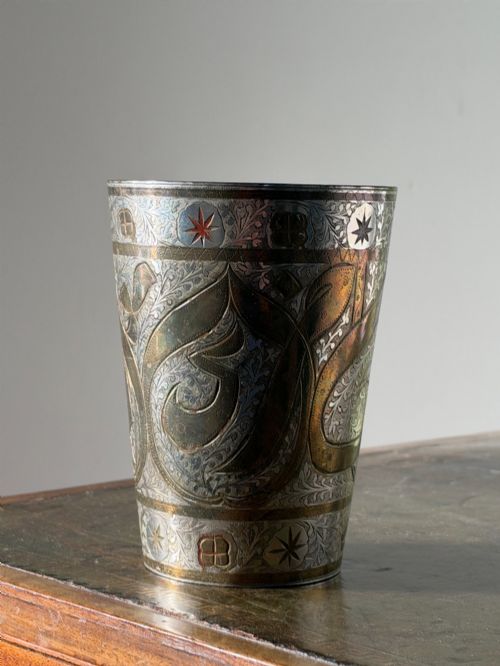
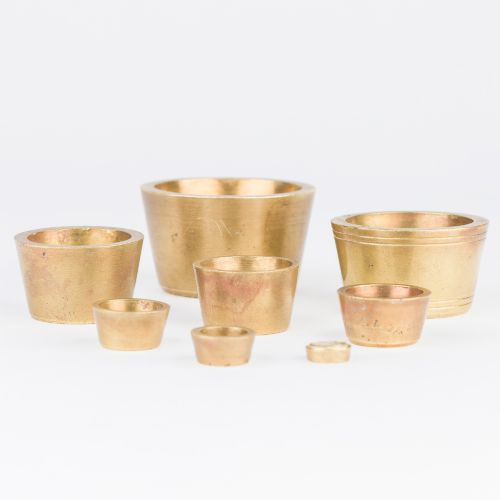
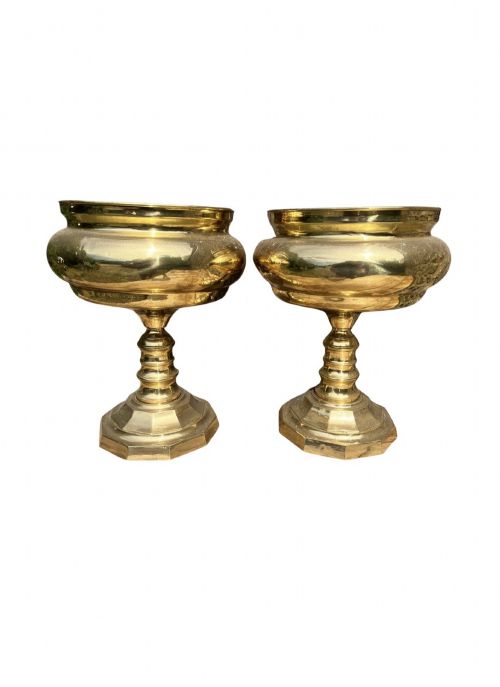
When you search for a brass cup, you encounter a varied selection of functional drinking vessels, measuring standards, and decorative items spanning the nineteenth and early twentieth centuries. These objects range from heavy Victorian tankards and goblets to classical revival urns and specialised cups linked to historical measuring systems.
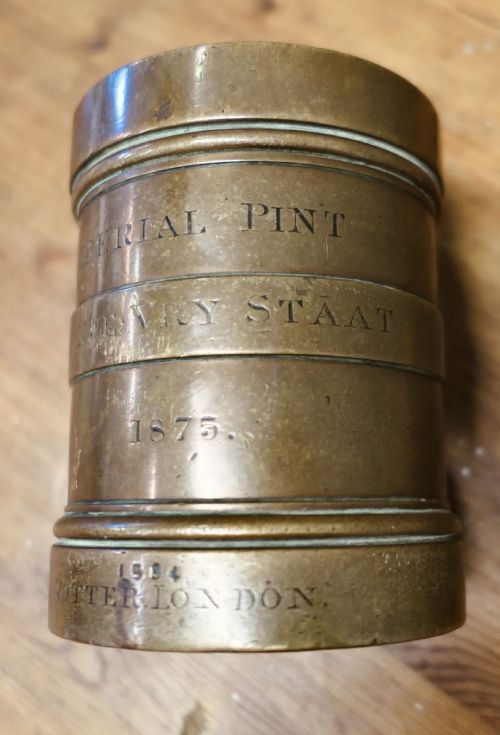
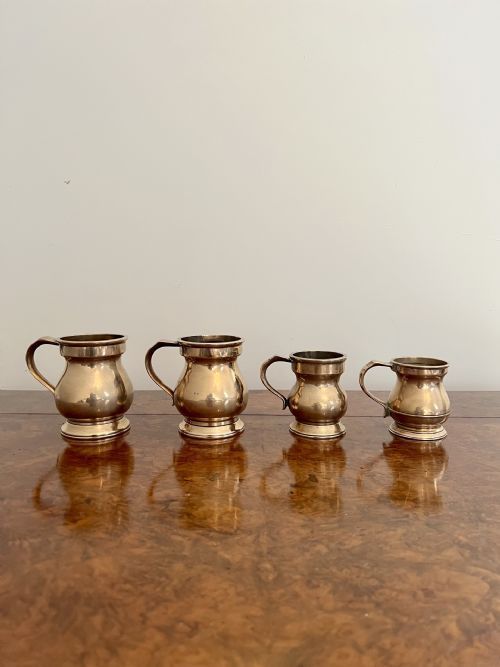
The pieces appearing on this page reflect the diverse domestic and scientific uses of past eras, often incorporating handles, lids, or matched sets. Buyers frequently find items that combine utilitarian origins with ornamental appeal, such as weighted measures or engraved drinking vessels from the Victorian and Edwardian periods.
Stylistic influences vary significantly across the selection, drawing upon traditional Victorian forms, industrial utility, and classical motifs like the Kantharos. This mixture allows collectors to acquire items that function equally as desk accessories, cabinet displays, or historic tablewares.
Materials and construction methods
Metalworking techniques dictate the structure of these items, relying primarily on cast or sheet brass combined occasionally with copper details. Artisans shaped these durable alloys through founding, hammering, and turning, often creating solid vessels designed for rigorous everyday use or precise capacity measurements.
Surface finishes and subsidiary materials complement the core metal structure, with certain drinking vessels and scientific items incorporating fitted lids or contrasting interior washes. The integration of bronze or copper elements highlights the period preference for mixed metallic tones and robust construction.
Brass Cup Retail Price Guide 2026
Typical asking prices for brass cup among the pieces listed under this phrase on Sellingantiques today, from the lower quarter to the upper quarter. They describe what is for sale here now, not the wider market.
Judging quality and craftsmanship
The standard of a piece depends heavily on the precision of its casting, the crispness of any engraved or stamped markings, and the balance of its proportions. Superior examples display clean joints, substantial weight, and well-defined decorative details that remain sharp rather than softened by excessive polishing.
Historical authenticity and original patina significantly influence the standing of an item, as untouched surfaces reveal the natural ageing of the alloy. Pieces retaining clear maker stamps or official verification marks command greater attention from collectors who value documented provenance.
Potter of London·John Millikin·J Hicks·Picards
The Brass Cup Glossary
- Kantharos
- An ancient Greek style of two-handled cup used for drinking, recreated in later decorative metalwork. These vessels feature a deep bowl and characteristic high-swung handles.
- Tankard
- A tall, cylindrical drinking vessel with a single handle, frequently fitted with a lid in historical drinking sets. They were historically used for ale and malt beverages.
- Goblet
- A footed drinking cup designed to hold wine or ceremonial liquids without a handle. The stem elevates the bowl above the base for balanced holding.
- Imperial pint measure
- A standardised British capacity vessel used to verify liquid volumes in trade and domestic settings. These items often bear official verification stamps from the period of their use.
- Patina
- The surface sheen and coloration developed naturally on brass over decades of exposure to air and handling. This aged layer distinguishes older metalwork from modern reproductions.
Brass Cup: Frequently Asked Questions
What were brass cups used for historically?
These vessels served diverse roles ranging from household drinking tankards to precise capacity measures in trade. Many were designed for daily utility in taverns or homes, while others fulfilled decorative or scientific functions.
Over time, some drinking vessels transitioned into mantelpiece ornaments or collectible display pieces due to their striking metallic appearance and durable alloy construction.
How should I clean antique brass?
Cleaning antique metal requires gentle care to preserve the underlying alloy and any accumulated historical patina. Avoid harsh chemical abrasives that strip away the natural surface ageing valued by collectors.
Instead, use a soft cloth to remove dust, applying mild soapy water only when necessary and drying the metal thoroughly to prevent water spotting.
How can I tell the age of a brass cup?
Dating these items involves examining the manufacturing marks, construction seams, and stylistic indicators such as Victorian or Edwardian design motifs. Official capacity stamps or maker inscriptions often provide precise clues to a piece's origin.
The tactile qualities of the metal, including weight distribution and hand-finished tool marks, also help distinguish nineteenth-century production methods from later manufacturing.
Are antique brass cups safe for drinking?
While many historical vessels were created for consumption, older alloys may contain trace metals that require caution if used for modern beverages. Most collectors treat these items as decorative display pieces rather than functional tableware.
If you choose to use a historical vessel for drinks, ensure the interior is thoroughly inspected and cleaned to remove any harmful residue from long-term storage.